Yacht Charter with Kids: Plan a Safe, Fun Family Sailing Holiday
GetBoat Blog
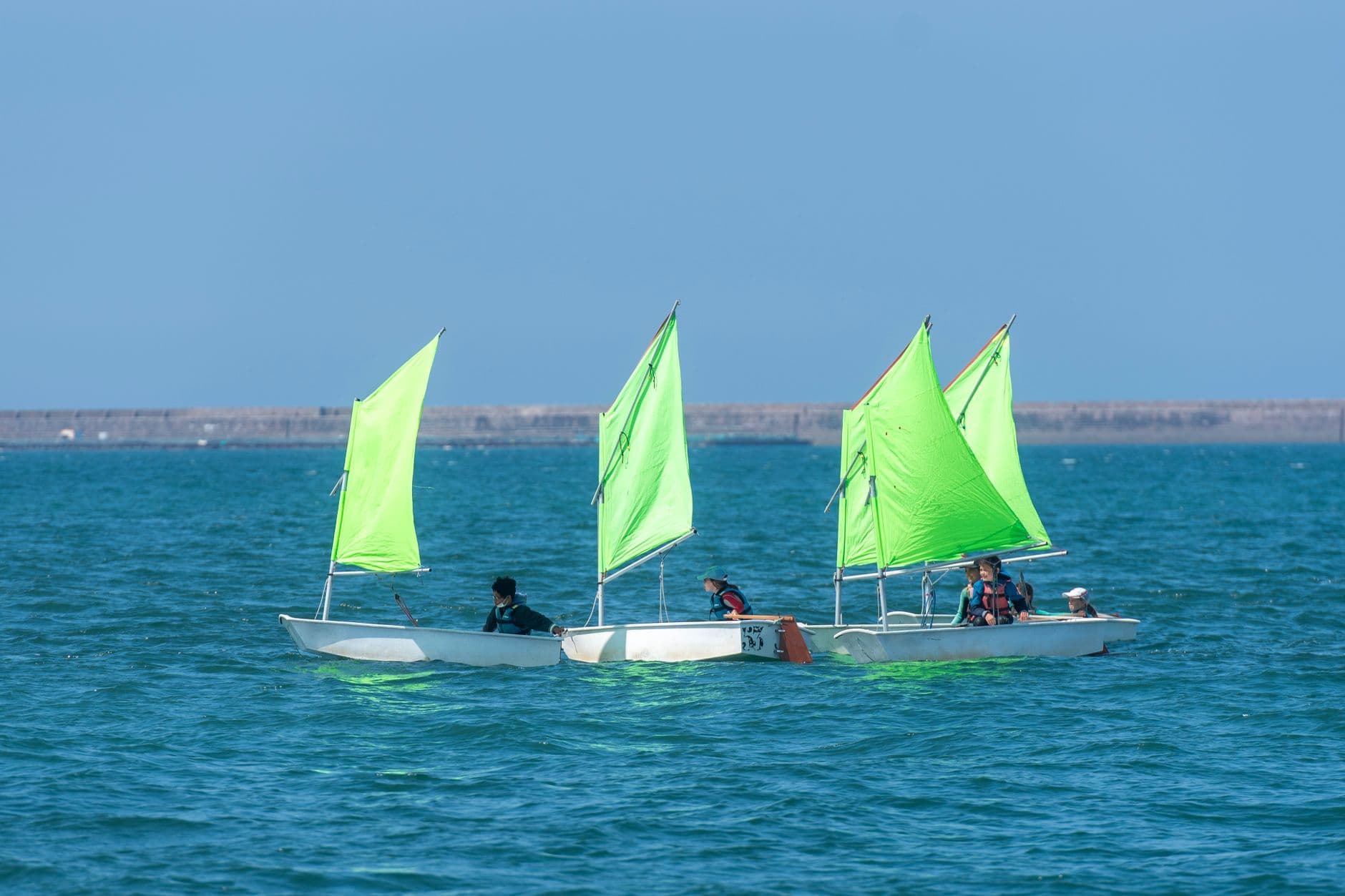
A yacht charter with kids is one of the most rewarding family holidays you can plan — provided you choose the right vessel, destination, and daily rhythm. The formula is straightforward: pick a catamaran for stability, target a sheltered sailing area such as the Greek Ionian Islands or the Caribbean, keep daily passages short, and anchor by late afternoon so children have time to swim and settle before bed. Get those fundamentals right, and the rest of the week takes care of itself.
Why Families Are Choosing Yacht Charters
According to YATCO, family sailing vacations have shifted from a niche luxury to a genuinely accessible option for parents seeking an alternative to crowded resorts. There are no long airport transfers, no packing and unpacking between hotels, and no restaurant queues. Everything your family needs travels with you. As Boat Tomorrow notes, the journey itself becomes the destination — children are too busy spotting fish through a snorkel mask to ask "are we there yet?"
Vital Charters reports that family and group charter bookings rose 32 percent in the past year, citing Grand View Research data from 2025. That growth reflects a simple truth: a well-crewed yacht functions like a floating adventure camp, combining snorkelling, water toys, flexible mealtimes, and a new anchorage every morning.
📚 You may also like
Choosing the Right Yacht for Families with Children
Catamaran vs. Monohull
Boat Tomorrow recommends choosing a catamaran if your children are under ten. Catamarans offer a wider, flatter deck, two separate hulls with more cabin space, and far less heel than a monohull — meaning younger children can move around without constantly bracing themselves. Teenagers who want a sportier, more traditional sailing experience may prefer a monohull, but for most families with young kids, the catamaran wins on comfort and safety.
Key Safety Features to Confirm Before Booking
According to YATCO, you should verify the following child-friendly features before signing any charter agreement:
- Safety netting along the lifelines — mesh panels that run the full length of the boat, preventing small children from slipping under the wire. Up and Sail notes these can often be requested at booking at no extra charge.
- Child-sized life jackets — rated to at least 100 N buoyancy. In US waters, including the USVI, the US Coast Guard requires approved personal flotation devices for all children at all times on deck.
- Non-slip decking and safety gates near companionways and swim platforms.
- Cribs, highchairs, and baby monitors for families with infants or toddlers — many charter companies supply these on request.
The Right Age to Start
There is no legal minimum age for charter guests in most European waters or in the Caribbean and Bahamas. Vital Charters advises that most charter companies recommend waiting until an infant is at least six months old, in line with US Coast Guard guidance that babies should fit a certified personal flotation device — typically nine to eighteen pounds. Toddlers from around two years old can join comfortably, provided the itinerary stays in calm, sheltered waters and the yacht has full safety netting fitted.
Participation in water sports changes with age. In the USVI and Bahamas, children must be at least 16 to operate a jet ski solo, and in the British Virgin Islands jet skis are banned entirely. Younger children can ride with an adult aged 18 or older, and life vests are mandatory throughout.
Best Destinations for a Family Sailing Holiday
Up and Sail highlights Greece — particularly the Ionian Islands — as one of the most suitable sailing destinations for families. The Ionian benefits from predictable summer winds, short inter-island passages, calm anchorages, and a wealth of shallow bays ideal for snorkelling. The Croatian coast, the Balearic Islands, and the Caribbean (especially the British and US Virgin Islands) are equally popular choices, all offering protected waters and well-equipped marinas.
When selecting a destination, prioritise areas where you can keep daily sailing legs under three to four hours. Longer passages increase fatigue and seasickness risk for children, and arriving late leaves no time for the afternoon swim that anchors a good family routine onboard.
Sun Safety and Health on the Water
Reflected UV off the water increases sun exposure by 25 to 40 percent compared to being on land, according to Boat Tomorrow. Practical steps to protect children include:
- Apply SPF 50 sunscreen every 90 minutes — not every two hours as the bottle suggests.
- Dress children in UPF 50+ rash vests during all daytime hours on deck.
- Use wide-brimmed hats with chin straps so they stay on in the wind.
- Bring at least two pairs of sunglasses per child — one pair will inevitably end up in the sea.
Boat Tomorrow also recommends packing a supplementary child-specific first aid kit beyond the yacht's standard inventory. Include children's ibuprofen, antihistamine syrup, antiseptic spray, rehydration sachets, and assorted plasters. Seasickness patches are not approved for children under 12; use age-appropriate antihistamine tablets instead, and consult your doctor before departure.
Daily Routines That Make Family Charters Work
The single most effective yacht charter with kids family sailing tip is to structure each day around the children's natural rhythm rather than a sailing schedule. Frontier Yachting advises that families who value flexibility and a slower pace adapt to life onboard surprisingly quickly. Practical habits that experienced family charter guests swear by include:
- Anchor by 17:00–17:30 to allow a swim, dinner, and a calm bedtime at the usual hour. The gentle rocking at anchor helps most children fall asleep faster than they do at home.
- Keep passages short — two to three hours of sailing in the morning, then the rest of the day at anchor.
- Involve children in sailing tasks — grinding a winch, calling out buoy colours, or helping to raise the anchor gives them ownership of the adventure.
- Use a sarong or blackout cloth over the cabin hatch to keep sleeping quarters dark during long summer evenings.
On crewed charters, the chef will typically prepare meals on your family's schedule — breakfast when the early riser wakes up, a snack after swimming, dinner whenever the day winds down. This flexibility removes one of the biggest stressors of travelling with young children.
Skippered vs. Bareboat Charter for Families
Up and Sail recommends that families new to sailing opt for a skippered charter, where a professional captain handles all navigation and anchoring decisions. This removes the pressure of managing the boat while simultaneously managing children, and it means the adults can actually relax. A fully crewed yacht — with captain, mate, and chef — goes further still, effectively handing the logistical side of the holiday to professionals so parents can focus entirely on their children.
Bareboat charters are suitable for parents who already hold a recognised sailing qualification and have prior experience sailing with children. If you are in any doubt, start with a skipper. You can always go bareboat on a future trip once you know what to expect.
Frequently Asked Questions
What is the minimum age for a child on a charter yacht?
There is no legal minimum age in most European or Caribbean waters. Most charter companies recommend a minimum of six months, in line with US Coast Guard guidance on infant life jacket sizing. Toddlers from around two years old can join comfortably on a catamaran with safety netting fitted.
Is a catamaran or monohull better for sailing with children?
A catamaran is generally the better choice for families with children under ten. It offers a wider, more stable deck, more cabin space, and significantly less heel. Teenagers may enjoy the sportier feel of a monohull, but for young families the catamaran reduces seasickness risk and makes moving around the boat far safer.
What safety equipment should I request when booking a family charter?
Request safety netting along the full length of the lifelines, child-sized life jackets rated to at least 100 N buoyancy, non-slip deck surfaces, and safety gates near the companionway. Families with infants should also ask about cribs, highchairs, and baby monitors, which many charter companies supply at no extra cost.
How do I prevent seasickness in children?
Keep passages short and sail in sheltered, calm waters. Encourage children to stay in the cockpit where they can see the horizon, and avoid reading or looking at screens while underway. Seasickness patches are not approved for children under 12; speak to your doctor about age-appropriate antihistamine-based remedies before you travel.