Provisioning a Yacht for a Week: The Complete Grocery & Supplies Checklist

Founder, TheThinksters.com
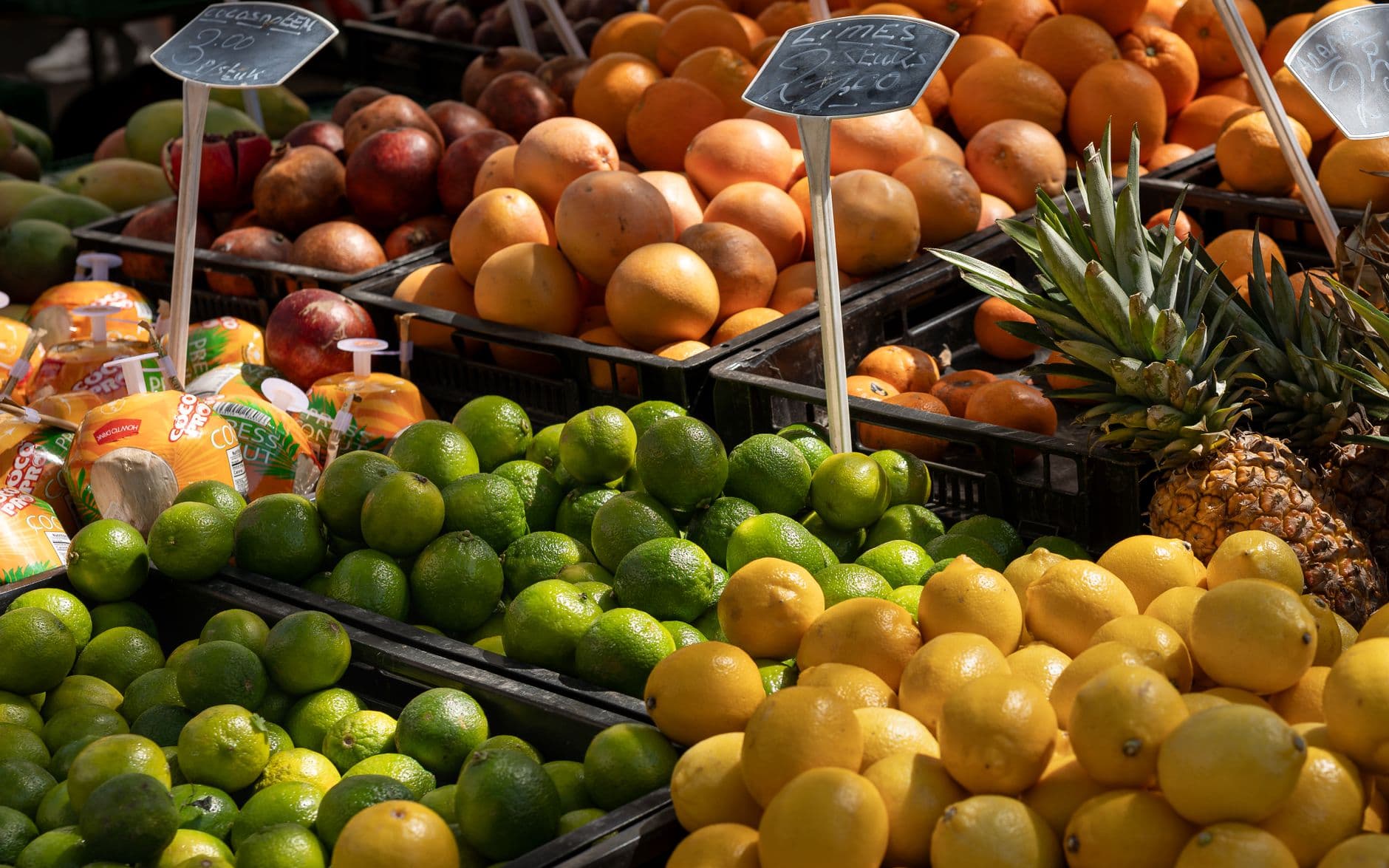
For six adults on a 7-day Mediterranean bareboat charter, plan to spend €400–700 on groceries, shop at a large supermarket near your base port on Day 1, and carry at least 50 litres of bottled drinking water. That single decision — buying in bulk before you cast off — saves more money and stress than any other provisioning choice you can make. This complete provisioning a yacht for a week checklist covers every category you need, with quantities, costs, and storage tips built in.
Why Provisioning Before You Leave Matters
Once you leave the base port, prices climb fast. Boat Tomorrow reports that island shops in Greece mark up groceries 15–30% over mainland prices, and marina-side chandleries can charge 50–150% more than a base-port supermarket. Boat4You confirms the standard pattern: roughly 90% of your week's groceries should come from one big shop at the start, with only 10% topped up at island stops mid-week.
Your charter handover is typically at 17:00. Marina supermarkets often close by 20:00. Arrive with a printed list, divide the crew into two shopping teams, and you can be back aboard and stowed in under two hours.
📚 You may also like
Where to Shop by Country
Not all base ports are equal. According to Boat Tomorrow, these are the best options in the four most popular charter regions:
- Croatia: The Lidl on Kopilica road in Split is a 10-minute taxi from ACI Marina Split. Konzum large-format stores work well in Zadar. Island shops are mostly Studenac with a limited range.
- Greece: Sklavenitis and AB Vassilopoulos in Athens or Lavrion have the best range. Plan your route to stop mid-week at a port with a decent shop.
- Turkey: The Migros MM in Fethiye is the best-stocked option within 1 nautical mile of Ece Marina. Note that alcohol is only available from Migros or specialist shops.
- Italy: Carrefour and Conad are your best bets. Sardinian marinas often have a Conad within walking distance.
The Master Provisioning Checklist
All quantities below are calibrated for six adults over seven days. Scale up or down proportionally for your crew.
Drinks
- Still water (1.5L bottles) — 36 bottles (54L total): €15–20
- Beer (330ml cans) — 48 cans: €25–40
- Wine (750ml bottles) — 6–8 bottles: €30–50
- Coffee (ground or instant) — 500g: €5–8
- Tea bags — 1 box (20 bags): €2–3
- UHT milk or oat milk — 4 × 1L: €5–8
- Juice (1L cartons) — 3 cartons: €4–6
Tip: Buy water in bulk on Day 1. Island shops charge €1.50–2.00 per 1.5L bottle versus €0.30–0.50 at a mainland supermarket. That difference adds up across 36 bottles. Use canned beer rather than glass bottles — cans stow better and won't smash when you heel in a Force 5.
Breakfast
- Bread / toast bread — 3 loaves (buy 1 now, 2 mid-week): €4–6
- Eggs — 18–24: €4–6
- Butter or margarine — 250g: €2–3
- Jam / honey — 1 jar each: €4–5
- Cereal / muesli — 1 box (500g): €3–4
- Yoghurt — 6 pots (buy 3 now, 3 mid-week): €5–7
- Fresh fruit — 2kg (oranges, apples, bananas): €5–7
Lunch
- Sliced cheese — 400g: €5–7
- Sliced ham / salami — 400g: €6–9
- Canned tuna — 4 tins: €5–7
- Wraps or pita bread — 2 packs: €4–5
- Tomatoes — 1.5kg: €3–5
- Cucumber — 3: €2–3
- Lettuce / mixed leaves — 2 bags: €3–4
- Hummus / tzatziki — 2 tubs: €4–5
Dinner
- Pasta (dry) — 1.5kg (3 packets): €3–5
- Rice — 1kg: €2–3
- Pasta sauce (jars) — 3 jars: €5–7
- Canned tomatoes — 4 tins: €4–5
- Onions — 1kg: €1–2
- Garlic — 2 bulbs: €1
- Chicken / mince (fresh) — 1.5kg total: €10–15
- Fish (buy locally mid-week) — 1kg: €8–12
- Olive oil — 750ml: €5–8
- Salt, pepper, mixed herbs — 1 each: €4–5
Plan to cook dinner onboard four nights and eat ashore the other three. Boat Tomorrow estimates €15–20 per person at a harbourside taverna in Greece or konoba in Croatia — roughly €90–120 per restaurant night for six people. Buy fresh fish at a harbourside fishmonger mid-week rather than vacuum-packed supermarket fillets: it costs less and tastes better.
Snacks & Non-Food Essentials
- Crisps / nuts — 3 bags: €5–7
- Biscuits / crackers — 2 packs: €4–5
- Chocolate / energy bars — 12 bars: €6–8
- Kitchen roll — 4 rolls: €3–4
- Bin bags (small) — 1 roll (30 bags): €2–3
- Washing-up liquid — 1 bottle: €2
- Sponges — 2: €1–2
- Sunscreen (SPF50) — 1 large tube: €8–12
- Seasickness tablets — 1 pack: €5–8
Don't skip the seasickness tablets. Even experienced sailors can feel queasy below deck while cooking in a rolling anchorage. Buy them at a pharmacy before boarding — marina shops charge double.
Fridge Management: The Biggest Challenge
A typical 40-foot monohull — a Beneteau Oceanis 40.1 or Dufour 41, for example — has a top-loading fridge of 100–150 litres, roughly the size of a hotel-room bar fridge. A catamaran may give you 150–200 litres across two hulls, but there is usually no freezer. Space is tight.
Pack the fridge in layers:
- Bottom layer: Drinks — beer cans, water bottles, wine. These are the heaviest and coldest items.
- Middle layer: Dairy, eggs, deli meats, sauces. Use a mesh bag or tote to keep them together and retrievable.
- Top layer: Items you'll use first — today's lunch ingredients, yoghurt, butter.
Buy a 2kg bag of ice on Day 1 and Day 4 from a harbour chandlery or petrol station (€2–4 per bag) and place it directly on top of everything. This helps the compressor and keeps the fridge below 5°C even in August heat.
Maximise fridge space by keeping shelf-stable items out of it entirely. UHT milk, hard cheese (sealed), eggs (sold unrefrigerated in southern Europe), tinned goods, fruit, onions, garlic, potatoes, pasta, and rice all live in saloon lockers or under cockpit seats. This frees up 30–40% of your fridge for items that genuinely need cold storage.
What the Week Costs in Total
For six people over seven days, Boat Tomorrow puts the all-in food and drink spend at roughly €980, or about €23 per person per day. That breaks down as approximately €550 on supermarket groceries (56% of the total) and €330–360 on three restaurant evenings. One clean way to manage the money: one person pays for all groceries, keeps the receipts, and the crew settles up at the end using a shared spreadsheet or a splitting app. At €550 groceries plus €330 restaurants, that's around €147 per person for the entire week's food — less than €21 a day.
If you'd rather skip the supermarket run entirely, many charter companies offer pre-provisioning services. Boat4You notes that most operators charge a €15–30 service fee on top of the groceries, while Boat Tomorrow puts the markup at 15–25% of the total shop. On a €500 order, that's an extra €75–125 for the convenience of finding everything stowed when you board.
Frequently Asked Questions
How much water do I need for a week's charter?
Carry a minimum of 50 litres of bottled drinking water for six people over seven days. In August heat, aim for 70 litres. The yacht's water tank (typically 300–400 litres on a 40-footer) is for washing, cooking, and showers — not drinking. Confirm the tank is full at handover.
Should I use a pre-provisioning service or shop myself?
For first-time charterers or anyone arriving late with small children, the convenience of pre-provisioning is usually worth the markup. For repeat charterers who know what they want and have time to shop, doing it yourself produces a better-stocked boat at a lower cost.
What food doesn't need refrigeration on a yacht?
UHT milk, hard sealed cheeses, eggs (in southern Europe they are sold unrefrigerated), all tinned and jarred goods, bread, pasta, rice, onions, garlic, potatoes, and most fresh fruit. Storing these in saloon lockers frees up significant fridge space for meat, dairy, and drinks.
How do I split provisioning costs fairly among the crew?
The simplest method is to have one person pay for all groceries and keep every receipt. At the end of the week, divide the total equally and settle up digitally. Boat Tomorrow recommends using a shared spreadsheet or a splitting app to keep the process transparent and resentment-free.


