What Should You Check to Decide if a Speed Is Safe for Your Boat?
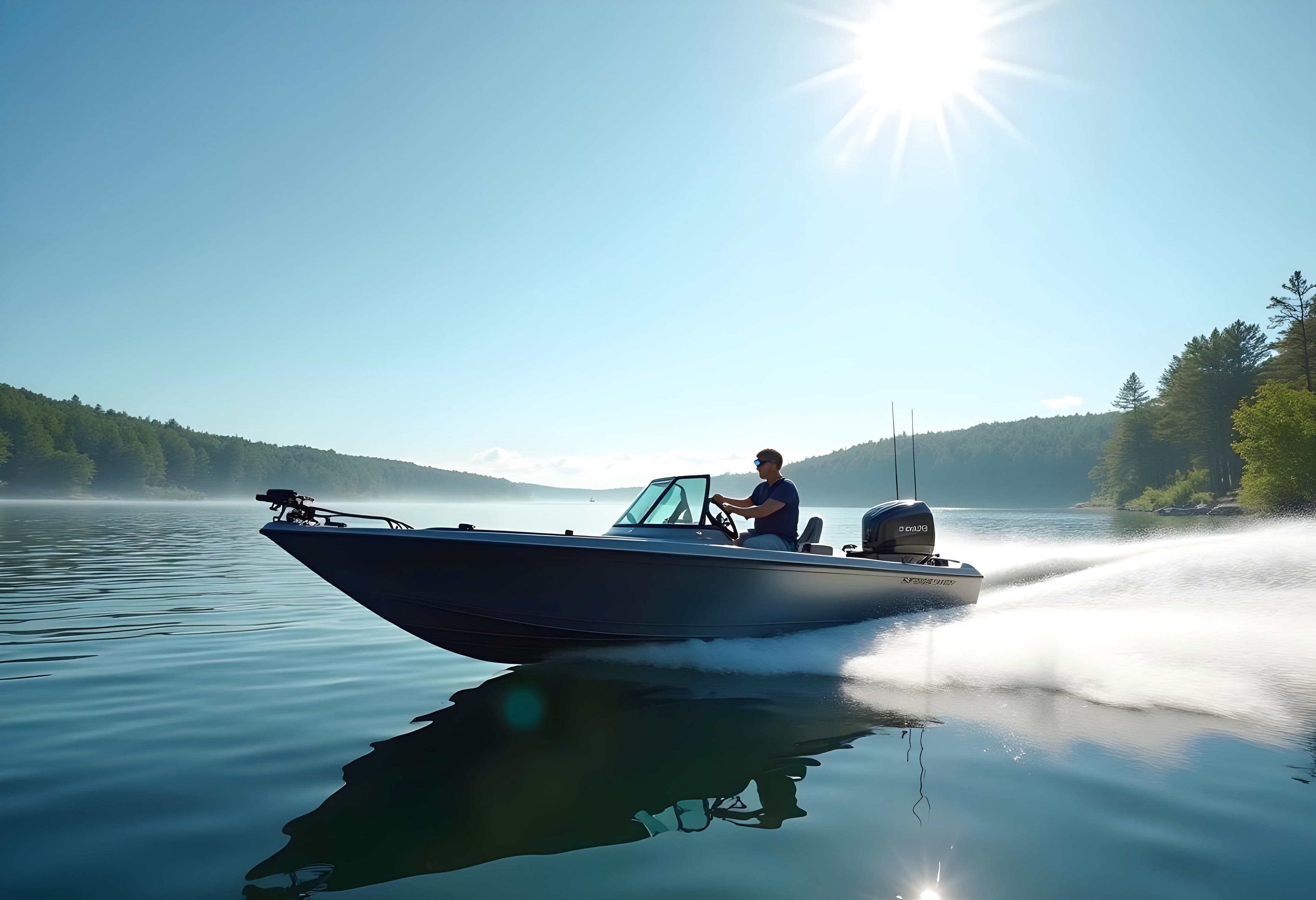
Determining what should you check to decide if a speed is safe for your boat involves evaluating multiple factors to ensure the well-being of everyone on board and prevent accidents. Operating at an appropriate pace isn't just about following rules; it's about adapting to real-time conditions that can change rapidly on the water. By considering elements like visibility, weather, and vessel capabilities, you can maintain control and enjoy a secure outing.
Visibility plays a pivotal role in assessing safe speeds. When fog, rain, or darkness reduces your ability to see ahead, slowing down becomes essential. For instance, during misty mornings, even familiar waterways can hide obstacles like buoys or other vessels. Always scan the horizon and use navigational aids such as radar if available. This proactive approach helps avoid collisions and allows time to react to unexpected hazards.
Weather conditions directly impact what constitutes a safe speed for your boat. Strong winds can create choppy waves, making high velocities unstable. Similarly, rough seas from storms demand reduced throttle to prevent capsizing or losing control. Monitor forecasts before heading out and adjust accordingly. In calm situations, you might push limits, but turbulence calls for caution to keep passengers comfortable and secure.
📚 You may also like
Vessel traffic in the area requires careful attention. Crowded channels or popular fishing spots mean more potential for encounters with other boats. Maintain a distance that allows for sudden maneuvers. Larger ships generate wakes that can toss smaller crafts, so anticipate these and slow accordingly. Awareness of surroundings ensures harmonious sharing of waterways without incidents.
The type and condition of your boat influence safe operating parameters. Smaller vessels may handle differently than larger ones, with factors like hull design affecting stability at various paces. Check manufacturer recommendations for maximum speeds under ideal circumstances, but remember to factor in load. Overloaded crafts become sluggish and harder to control, necessitating lower velocities for safety.
Your experience as an operator matters too. Novices should err on the conservative side until gaining confidence. Familiarity with the boat's handling in diverse scenarios builds intuition for appropriate adjustments. Training courses on boating safety can enhance this knowledge, teaching techniques for managing different environments effectively.
Safety equipment readiness ties into speed decisions. Ensure life jackets are accessible, especially when pushing boundaries. Distress signals, fire extinguishers, and first-aid kits should be in order. If equipment isn't up to par, limit acceleration to minimize risks. Proper gear provides a buffer, but prevention through prudent pacing is preferable.
Local regulations set baselines for safe operations. Many areas enforce limits near shores, docks, or swimming zones to protect people and property. No-wake zones require idle speeds to avoid disturbing anchored vessels or eroding banks. Familiarize yourself with these rules via charts or apps to comply and contribute to communal safety.
Water conditions beyond weather include currents and tides. Strong flows can alter effective velocity relative to ground, complicating navigation. Shallow areas risk grounding at higher paces, so depth sounders help gauge risks. Adjust based on these to maintain hull integrity and avoid stranding.
Passenger comfort and capability factor in as well. If carrying children or inexperienced individuals, opt for milder tempos to prevent discomfort or fear. Secure loose items to avoid shifts that could unbalance the craft. Communication with those aboard ensures everyone feels secure, allowing focus on enjoyment rather than worry.
Engine performance checks are crucial before accelerating. Ensure fuel levels suffice for the journey, and monitor gauges for anomalies. Overheating or unusual noises signal potential issues that could worsen at elevated rates. Regular maintenance keeps the powerplant reliable, supporting confident decisions on pacing.
Nighttime operations demand extra vigilance. Reduced light amplifies hazards, so illuminate paths with proper lights and reduce tempo. Reflective markers on buoys aid, but slower progression allows better reaction times. This is especially true in unfamiliar territories where landmarks aren't visible.
In emergencies, knowing how to throttle back quickly saves lives. Practice stops from various velocities to understand distances needed. This preparation ensures you can halt promptly if spotting debris or a swimmer ahead.
Combining these elements forms a comprehensive strategy for safe boating. It's not a one-size-fits-all; continuous assessment adapts to changing dynamics. This mindful approach fosters enjoyable, incident-free experiences on the water.
Delving deeper, consider how boat size interacts with speed safety. Larger yachts might sustain higher velocities in open seas due to stability, but in confined spaces, they require more room to maneuver. Conversely, nimble speedboats excel in agility but can become unstable in waves if pushed too hard. Tailor your approach to the craft's characteristics for optimal security.
Environmental awareness extends to wildlife. In areas with marine life, like manatee zones, mandates slower paces to prevent strikes. Observing signs and respecting habitats contributes to conservation while maintaining safety.
Technological aids enhance judgments. GPS units provide real-time data on position and velocity, integrating with weather apps for forecasts. Some systems alert to approaching vessels via AIS, allowing preemptive adjustments.
Crew roles can distribute responsibilities. Assign spotters to watch for hazards, freeing the operator to focus on controls. This team effort bolsters overall vigilance.
Post-outing reviews refine skills. Note what worked and areas for improvement, like better lighting or equipment tweaks. This iterative process elevates proficiency over time.
Insurance considerations underscore the importance of prudent operations. Policies often require adherence to safety standards, and violations can void coverage. Operating responsibly protects financially as well as physically.
Community resources offer guidance. Boating clubs host seminars on best practices, sharing collective wisdom. Online forums discuss scenarios, providing diverse perspectives.
In adverse conditions, sometimes the safest speed is zero—anchoring until improvement. Patience prevents rash decisions that could lead to trouble.
Ultimately, the question of what should you check to decide if a speed is safe for your boat boils down to holistic evaluation. Prioritizing safety over haste ensures lasting enjoyment of aquatic pursuits.
Expanding on visibility, glare from sun can obscure views, so polarized sunglasses help. At dawn or dusk, transitional light demands caution. These nuances refine assessments.
For weather, barometric changes signal shifts; monitoring helps anticipate. Lightning risks necessitate immediate slowdowns and seeking shelter.
Traffic etiquette involves signaling intentions clearly. Horns or lights communicate, reducing misunderstandings at varying paces.
Boat maintenance logs track performance trends, informing speed choices. Worn propellers, for example, reduce efficiency, warranting conservatism.
Experience builds through varied exposures. Calm lakes differ from ocean swells, each teaching unique handling.
Safety equipment drills ensure quick access. Timed practices for donning life jackets prepare for real scenarios.
Regulatory updates via authorities keep knowledge current. Changes in limits or zones affect daily operations.
Water temperature influences buoyancy and swimmer endurance; colder conditions heighten risks, prompting slower responses.
Passenger briefings set expectations. Explaining plans builds trust and cooperation.
Engine break-in periods require moderated speeds per manuals, preserving longevity.
Night aids like spotlights illuminate paths but avoid blinding others. Balanced use maintains communal safety.
Emergency kits should include thermal blankets for hypothermia, tying into overall preparedness.
Review apps rate waterways, offering user insights on typical conditions.
Insurance incentives for safety courses encourage ongoing education.
Community events like safety fairs provide hands-on learning.
Anchoring techniques in waits ensure stability.
The multifaceted nature of deciding a safe speed for your boat underscores the responsibility of operators. By integrating these checks, you safeguard adventures.
In conclusion, vigilance in these areas promotes secure, pleasurable boating. Always prioritize caution to return safely.


