Anchoring Etiquette Every Charter Guest Should Know
GetBoat Blog
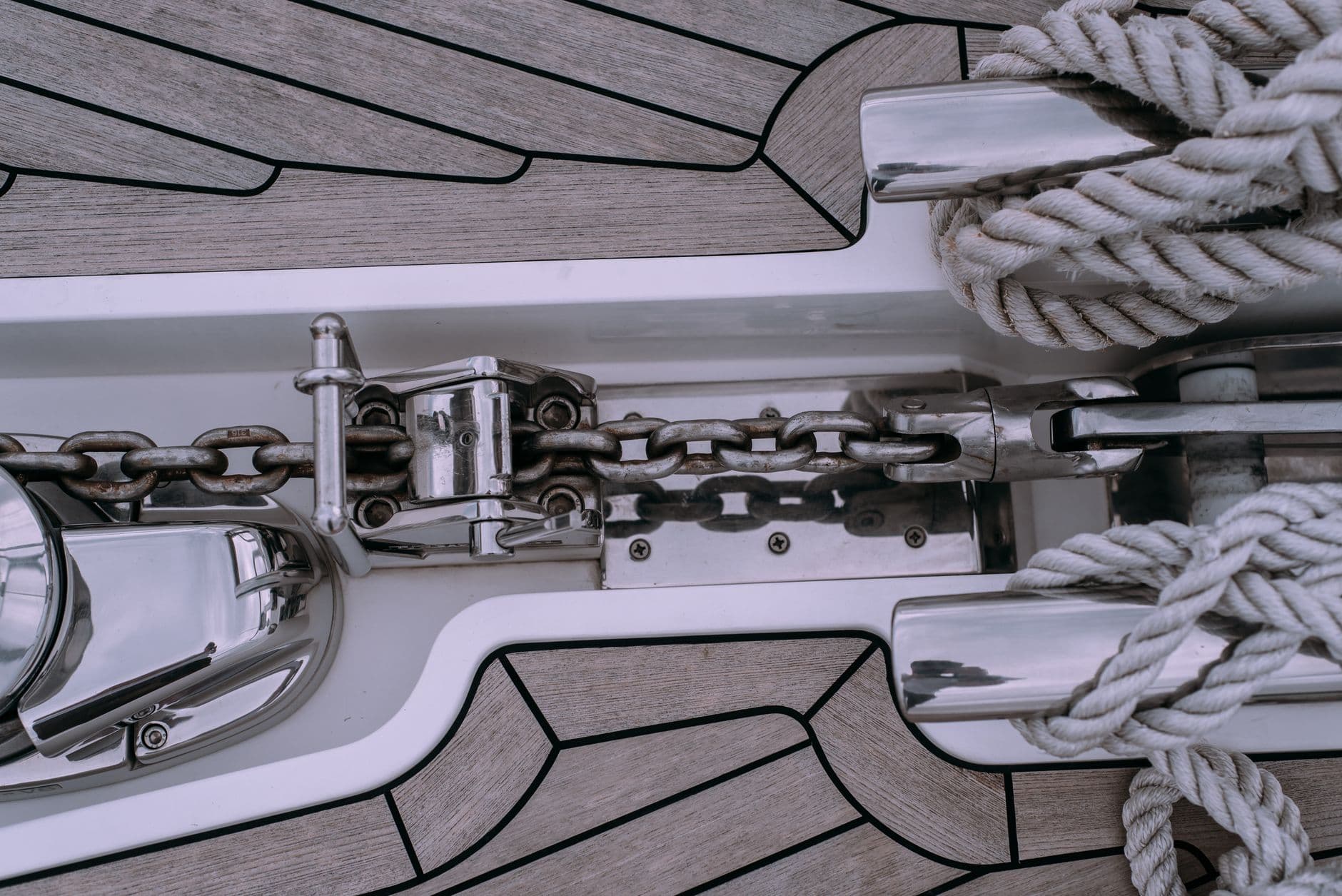
Good anchoring etiquette sailing tips can mean the difference between a blissful evening in a turquoise bay and a stressful night of dragging, collisions, and angry neighbours on the VHF. The core rules are simple: arrive slowly, choose your spot with swing room in mind, set your anchor properly, keep noise and lights low, and never discharge waste in a shared anchorage. Master those basics and you will be welcome in any bay from the Aegean to the Caribbean.
Plan Before You Drop: Chart Work and Weather
Good anchoring starts long before you reach the bay. Study the depth contours and, crucially, the bottom type. As the sailing guide published by Sailboat Cruising explains, knowing whether you are dropping onto sand, mud, rock, or weed changes everything about how your anchor will hold. Sand and mud offer the best holding; rock can snag a fluke and make retrieval a nightmare; weed is notoriously poor because the flukes sit on top rather than digging through to the seabed.
Cross-reference at least two weather forecasts — services such as the Met Office, NOAA, and Windy.com each have their strengths — so you know how much scope to deploy and whether the anchorage is sheltered from the expected wind direction. GlobeSailor's charter blog recommends a scope ratio of 7:1 as a sensible default on a yacht charter, meaning your rode should be seven times the total distance from your anchor to your bow roller (water depth plus freeboard). In calm, settled conditions a 5:1 ratio can suffice, but always err on the side of more chain when the forecast is uncertain.
📚 You may also like
Arriving at the Anchorage
Come in slowly. A slow approach gives you time to read the anchorage, count the boats already there, and identify their swing circles before you commit to a spot. Every anchored boat swings in a wide arc as wind and tide change; your job is to find a gap where your own swing circle will not overlap dangerously with anyone else's.
Practical Sailor offers a useful rule of thumb for crowded anchorages: lower your anchor one rode length plus one boat length off the bow of your nearest neighbour. By the time the hook tips, digs, and sets — especially in softer mud — it will be roughly one full swing circle away from theirs. If you need to anchor ahead of another boat rather than astern, increase that distance to two rode lengths plus two boat lengths to account for the geometry of overlapping circles. A simple GPS check or even timing your approach at a known speed removes the guesswork.
A quick call on VHF Channel 16 — something like "Any room to anchor on the north end?" — costs nothing and earns goodwill immediately. Most cruisers appreciate the courtesy and will often point you to the best holding ground in the bay.
Setting the Anchor Correctly
Drop the anchor at your chosen spot, then motor slowly astern while paying out rode. Once you have reached your target scope, apply gentle reverse thrust and watch the rode for a steady strain. Look for two fixed transit marks on shore — a tree aligned with a building, for example — and watch whether your position relative to them changes. If the transits stay aligned, the anchor is holding. If they drift, you are dragging and need to reset immediately.
Once set, mouse your anchor shackle. The constant movement of a boat at anchor can work shackle pins loose over time; a short length of stainless steel wire or even a cable tie through the pin prevents the shackle from unscrewing and losing your entire ground tackle. It takes thirty seconds and could save your anchor.
Set an anchor alarm before you go below. Apps such as Anchor Pro, or the built-in alarm on most chartplotters, will alert you if the boat moves outside a defined radius. This is not optional — it is what lets you sleep.
Scope, Tide, and Adjustments
Scope is not a set-and-forget calculation. As the tide falls, the effective depth decreases and your rode goes slack; as it rises, you may need more chain out. Check your scope when the tide turns and adjust accordingly. In rough weather, increase to 7:1 or beyond. More scope flattens the angle of pull on the anchor and dramatically improves holding power.
If AIS is fitted to your charter yacht, keep it active. In a crowded anchorage it lets you see at a glance whether a neighbouring boat is moving — an early warning that they may be dragging — so you can raise them on the radio before the situation becomes an emergency.
Being a Good Neighbour
Noise and Lights
Sound carries extraordinarily well across flat water. Keep voices low after dark, limit music to sociable hours, and run a generator only when it will cause the least disturbance. Equally important: avoid pointing bright deck lights or spotlights toward other boats. A blinding light into someone's cockpit at midnight is guaranteed to make enemies.
Dinghy Wakes
When motoring the tender through a crowded anchorage, slow right down. The wake from even a small outboard can set every boat rocking and send unsecured items crashing below. Tie your dinghy at the dock without blocking others, and be aware that a fast approach to a swim ladder creates a hazard for anyone in the water.
Environmental Responsibility
Never pump out your holding tank in an anchorage. Use shore-based pump-out facilities. Keep all rubbish sealed on board and take it ashore for proper disposal. Avoid anchoring on seagrass or coral — both are protected in many charter destinations and damage attracts significant fines. GlobeSailor's charter guidance specifically warns against anchoring near underwater power cables or in areas where anchoring is regulated by local authorities.
When Things Go Wrong
If you discover you are dragging, act immediately: alert your crew, start the engine, and either re-set the anchor or move to a new spot. Let nearby boats know what is happening on VHF so they can stand by. Do not wait and hope — dragging anchors accelerate.
If another boat anchors too close to you, approach the situation calmly. A polite conversation — either on VHF or by dinghy — resolves the vast majority of cases. Most sailors who anchor too close simply misjudged the distances; they are not being deliberately inconsiderate. If the anchorage is genuinely too crowded to anchor safely, have a Plan B: know the nearest alternative bay and be prepared to move on rather than squeeze into an unsafe gap.
Frequently Asked Questions
What is the correct anchor scope for a charter yacht?
A 5:1 ratio (rode length to total depth including freeboard) is a minimum in calm, settled conditions. In stronger winds or when bad weather is forecast, increase to 7:1 or more. GlobeSailor's charter guidance suggests 7:1 as a sensible default for most holiday sailing situations.
How do I know my anchor is holding?
After backing down on the anchor, pick two fixed transit marks on shore and check that your position relative to them does not change. Set an anchor alarm on your chartplotter or a dedicated app such as Anchor Pro as a backup for overnight monitoring.
Is it acceptable to anchor near a moored boat?
Exercise caution. A moored boat is attached to a fixed point and swings on a much shorter radius than an anchored boat. If the wind or tide shifts, your longer swing circle can bring you into contact with a moored vessel. Leave a generous margin and, if in doubt, choose a different spot.
What should I do if another boat anchors too close?
Stay calm and be polite. Hail them on VHF or row over in the dinghy and explain the situation. As Sailboat Cruising notes, most sailors will happily move once they understand the overlap — they usually misjudged the distance rather than intending any discourtesy. If they refuse and you feel unsafe, it is always better for you to move than to risk a collision.


