Caribbean Clearance Procedures for Yachts

Founder, TheThinksters.com
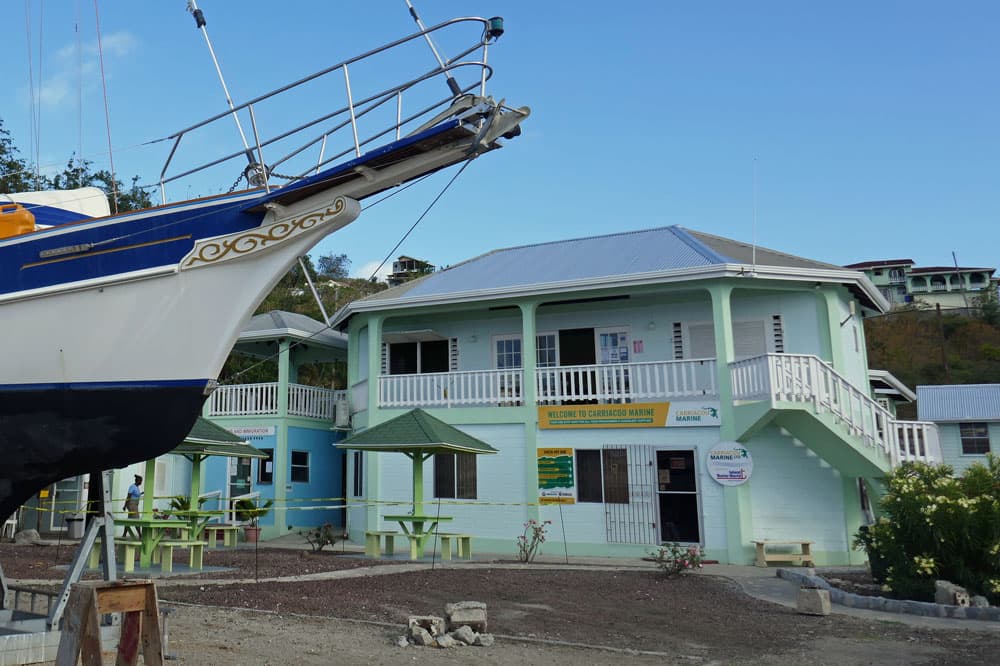
Hoist the plain yellow Q flag the instant you cross into a Caribbean territorial limit and ensure only the skipper goes ashore to Customs & Immigration until official pratique is granted; failure to comply commonly triggers substantial fines and delays.
Immediate Steps on Arrival
On approach to a designated Port of Entry, display the plain yellow Q flag on the starboard spreader to indicate you have not yet cleared in. Proceed to a recognised customs location—this may be a dedicated customs dock (as at Jolly Harbour, Antigua) or a shore clearing via dinghy if anchoring off (common at Rodney Bay, St Lucia and many Grenadine anchorages).
Only the skipper should step ashore to present documentation. Crew and guests must remain on board until the official clearance is issued and the courtesy ensign or national flag may replace the Q flag. Keep a waterproof binder with originals and copies to speed the interaction.
📚 You may also like
Required Documents and Digital Options
Documentation requirements vary by island, but the core set is predictable. Wherever possible, pre-fill online arrival forms or upload documents to local systems to reduce processing time; many ports will still require in-person verification and physical stamping.
| Document | Purpose |
|---|---|
| Vessel Registration / Bill of Sale | Proves ownership and legal status of the yacht |
| Skipper & Crew Passports | Immigration stamping and identity verification |
| Boat Insurance Certificate | Proof of third‑party and hull cover if required |
| Advance Notice Forms | Pre-registered arrival details for faster processing |
| Cruising Permit / Clearance Papers | Legal permission to cruise and stay for a set period |
Sample Processing Times and Tips
Using digital pre-clearance where available often reduces desk time by half. Even so, allocate at least one to two hours for a first-time arrival into a new country—lines, paperwork checks, and local payment processing can extend that. Keep photocopies and PDFs accessible, but present only originals when asked.
Cruising Permits, Taxes and Costs
Expect a mix of entry fees, cruising permits, and per‑day or per‑size taxes. These vary by jurisdiction and are regularly updated. Below is a representative snapshot; always confirm current rates with local authorities before departure.
| Territory | Typical Charge Basis | Common Range (USD) |
|---|---|---|
| British Virgin Islands | Cruising tax / permit by length | $50–$300 |
| The Bahamas | Combined entry + cruising permit | $100–$500 |
| French Caribbean (Schengen) | No separate cruising tax; Schengen rules apply | Variable (administrative) |
Schengen Rules for French Territories
French Caribbean islands are part of France and thus the Schengen Area. For non‑EU citizens, time spent in St Barts, St Martin (French side), Guadeloupe or Martinique counts towards the 90 days in any 180‑day period rule. Log every day ashore and at anchor in Schengen waters to avoid inadvertent overstays, fines, or bans across the entire Schengen zone.
Practical Recordkeeping
Maintain an onboard log tallying Schengen days and carry clear evidence of movements between non‑Schengen and Schengen ports (check-in stamps, clearance papers). If an extension is required, contact the capital’s main Immigration office before the permit expires—extensions are discretionary and often chargeable.
Customs Etiquette and Best Practices
Officials are often sympathetic but formal. Good manners and preparation go a long way. The following rules reduce friction and speed through the process:
- Be punctual: Arrive at the customs office with all documents neatly organised.
- Keep calm: Officials enforce rules; a cooperative attitude shortens interactions.
- Stick to the skipper-only rule: Avoid fines by ensuring no crew disembark before clearance.
- Pay fees correctly: Some ports accept cards, some require cash in local currency—ask ahead.
- Respect local procedures: Tie to designated docks if required and follow marina guidelines.
Safety and Local Considerations
After clearing in, confirm local mooring rules and permitted anchorages. Some marinas charge for short stays, while bays may be free but offer limited services. Chart the nearest fuel dock, provisioning points, and approved waste‑disposal locations to stay compliant.
GetBoat always keeps an eye on news related to sailing and seaside vacations, as we truly understand what it means to enjoy great leisure and love the ocean. The GetBoat service values freedom, energy, and the ability to choose your own course, placing no limits on a good life and helping clients find a vessel to match preferences, budget, and taste.
Forecast: these clearance and permit updates are more operational than disruptive to global tourism; they won’t reshape the tourism map overnight but remain highly relevant to individual itineraries. GetBoat aims to stay abreast of changes and keep pace with the shifting regulatory tide. If you are planning your next trip to the seaside, consider the convenience and reliability of GetBoat.
Clearance checkpoints, cruising permits, and Schengen time limits are highlight points that every skipper and crew should prioritise when planning a Caribbean cruise; experiencing a new location is always a multifaceted process, where one learns about the culture, nature, the indescribable palette of local colors, its rhythm of life and also the unique aspects of the service. If you are planning your next trip to the sea, you should definitely consider renting a boat (boat rentals, rent a boat, rent a yacht), as each inlet, bay, and lagoon is unique and tells you about the region just as much as the local cuisine, architecture, and language GetBoat.com
Summary: For safe and enjoyable Caribbean cruising, always hoist the Q flag on entry, ensure only the skipper clears in, carry a complete set of registration, passport, insurance and permit documents, and log Schengen days carefully. Budget for variable cruising permits and local fees, be courteous with officials, and pre‑submit information where possible to reduce delays. Whether planning a brief charter, long yacht cruise, or looking at cabin or superyacht options, transparent details about make, model, ratings, and costs matter. Platforms that centralise listings and offer clarity on boats, charters, marinas and destinations make planning simpler. Set your course and enjoy the voyage.