Top Marinas in Ontario – Discover the Best Marinas Across Canada

Founder, TheThinksters.com
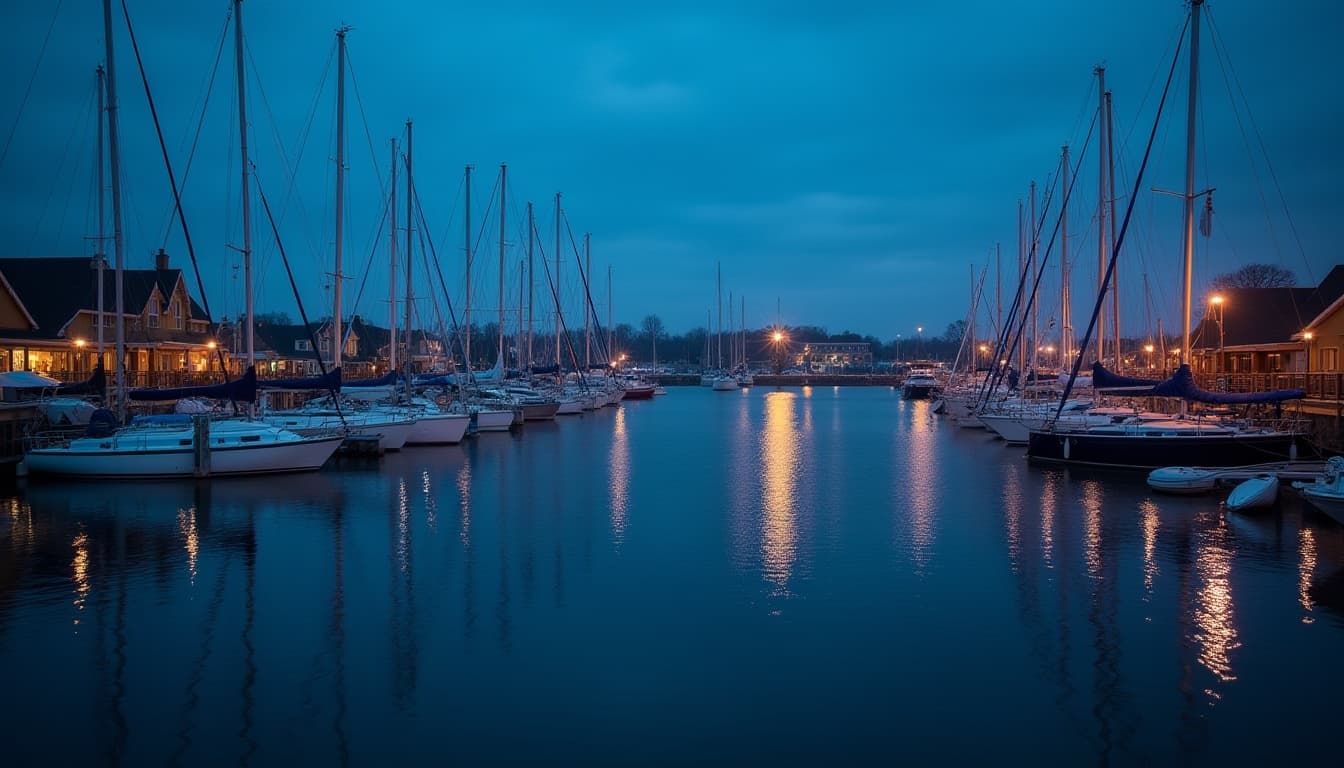
The Boating Culture in Ontario
Ontario’s network of lakes and rivers supports a wide range of boating activities throughout the warmer months. Peak season runs from late May through early October, when most facilities operate at full capacity and transient slips require advance booking. Outside that window, many marinas focus on haul-out, winter storage, and maintenance work. Boaters planning longer trips should check ice-out dates in spring and haul-out deadlines in fall, because late-season weather can close channels earlier than expected.
What Makes Top Marinas in Ontario Exceptional?
Several practical factors separate reliable facilities from average ones. Accessibility matters for crews arriving by car or needing quick parts delivery; marinas near major highways or with on-site chandlery services reduce downtime. Fuel, pump-out, and repair availability affect daily cruising plans, especially on longer routes where options are limited. Scenery and shelter influence overnight comfort—protected basins cut down on wake from passing traffic, while open locations may offer better sunset views but more motion. Community atmosphere shows up in how staff handle transient requests and whether other boaters share local knowledge. Security features such as gated docks, camera coverage, and staffed night hours matter when leaving a boat unattended for days. When comparing options, ask about seasonal versus transient rates, electrical amperage limits, and whether Wi-Fi reaches the outer slips.
Harbourfront Centre Marina – Toronto’s Premier Destination
Located steps from downtown Toronto, this marina places boaters within walking distance of restaurants, transit, and cultural venues. The urban setting brings constant foot traffic and occasional noise from nearby events, so crews seeking quiet nights may prefer to move on after a day or two of resupply. Transient visitors benefit from easy access to groceries and marine stores, yet space fills quickly on weekends. Checking availability online several weeks ahead is useful during July and August. Those arriving by water should note the busy commercial traffic in the outer harbour and plan arrival during daylight.
📚 You may also like
Port Credit Harbour Marina – A Boating Landmark
Port Credit offers a mix of full-service slips and village amenities within a short walk. Haul-out and winter storage are available on site, which simplifies end-of-season logistics for boats kept in the western Lake Ontario area. The adjacent promenade and restaurants make it convenient for families, though summer weekends see higher occupancy and earlier check-in cutoffs. Boaters who need mechanic work or parts can often arrange same-day service because several marine businesses operate nearby. Trade-offs include occasional wakes from passing vessels and limited long-term parking for vehicles.
Wye Heritage Marina – Gateway to Georgian Bay
Positioned near Midland, this facility serves as a practical base for trips into Georgian Bay’s island groups. Over 700 slips support both seasonal tenants and transients, with fuel and mechanical services on site. The clubhouse provides a place to wait out weather or meet other boaters. From here, day trips to sheltered anchorages are straightforward, but boaters should carry current charts because rock hazards increase north of the marina. Summer water levels can drop in some channels, so checking local notices before departure helps avoid grounding.
Fifty Point Marina – Lake Ontario’s Hidden Gem
Operated within a conservation area, Fifty Point emphasizes clean facilities and a quieter setting compared with urban harbours. More than 300 slips sit in a protected basin that reduces wave action. The surrounding trails and picnic areas appeal to crews who want to stretch legs without driving. Because the marina is part of Ontario Parks, reservation systems and seasonal passes follow park rules; advance booking is required for peak months. Drawbacks include fewer dining options within walking distance, so provisioning before arrival is advisable.
Queen’s Cove Marina – A Family-Friendly Retreat
In Victoria Harbour, Queen’s Cove maintains a sheltered basin suited to families and smaller vessels. Two hundred twenty slips, on-site mechanics, and a fuel dock cover most routine needs. The relaxed pace and community events make it easy to meet other boaters, yet the smaller size means transient space can be limited during holiday weekends. Checking depth at the entrance during low-water periods prevents surprises for deeper-draft boats.
Beacon Bay Marina – A Boater’s Oasis
Also in the Penetanguishene area, Beacon Bay functions as another entry point to Georgian Bay cruising. Its 350 slips and full-service boatyard allow repairs without moving the boat to a separate yard. Skilled technicians handle common seasonal tasks such as sail repairs or engine service. The trade-off is that the yard can be busy in spring and fall, so scheduling work in advance avoids delays. Transient boaters appreciate the professional staff and clear radio procedures for docking assistance.
Honey Harbour Marinas – Access to the Thirty Thousand Islands
Honey Harbour serves as the practical gateway for exploring the Thirty Thousand Islands region. Several independent marinas offer transient and seasonal options plus basic marine services. Because the area sees heavy summer traffic, early-morning departures help avoid congestion at popular anchorages. Boaters should carry extra fuel and water, as distances between services increase once past the harbour. Local knowledge about shallow spots and current patterns is especially valuable here; many returning visitors keep updated charts and depth sounder logs.
Bay Port Yachting Centre – Midland’s Premier Facility
Bay Port combines resort-style amenities with professional marine services in Midland. Heated pool, fitness centre, and waterfront dining reduce the need to leave the property for meals or exercise. The location supports day cruises along Georgian Bay’s shoreline while still offering haul-out and maintenance capabilities. Peak-season demand means reservations for both slips and restaurant tables are recommended. Crews planning multi-week stays should compare long-term rates against nearby facilities, because parking and storage fees vary. For longer charters that start or end at any of these locations, compare availability and crewed options through GetBoat before finalizing dates.
Why Boaters Choose Ontario Marinas
Ontario draws boaters because it gives direct access to large freshwater systems that connect to both remote shorelines and larger towns. Many facilities sit on the Great Lakes or along the Trent-Severn Waterway, so visitors can reach open water quickly without long passages. Marinas here range from basic dock-and-power setups to those with haul-out equipment, fuel, and winter storage. Some also maintain pump-out stations and recycling points to limit impact on the lakes. Boaters often weigh these services against location: a marina close to a city may offer easier provisioning but more traffic, while one farther out trades convenience for quieter anchorages nearby.
Tips for Visiting Top Marinas in Ontario
Reservations matter most between late May and early September, especially around long weekends. Contact the marina directly or through its website at least four to six weeks ahead for peak periods. Read recent reviews on multiple platforms to learn about actual water depth at the slips, staff responsiveness, and whether Wi-Fi reaches the docks. Ask in advance about the services offered: some yards handle repairs and parts, others provide only transient slips and basic power. Check local rules on fishing licenses, fuel handling, and quiet hours before arrival. Weather on the lakes shifts fast, so carry layers, a handheld VHF, and extra dock lines. If you plan to stay more than one night, confirm whether the marina allows multiple-night discounts or requires a deposit for power and water.
Exploring Anchorages Near Top Marinas in Ontario
Many boaters split time between a marina and nearby anchorages. Georgian Bay and the North Channel hold dozens of sheltered coves with good holding in sand or mud. Before leaving the dock, study charts for depth and fetch, and note any park or reserve restrictions on overnight stays. A common pattern is to use marina facilities for fuel, showers, and waste, then move a short distance to anchor for one or two nights. This approach reduces costs and gives more flexibility, though it requires monitoring weather and having a reliable dinghy for shore access.
The Future of Ontario’s Boating Scene
Several marinas have added solar panels on roofs and newer pump-out systems in recent years. These upgrades lower operating costs and meet stricter environmental rules on the lakes. Expansion plans at some locations include more transient slips and better winter storage, though progress depends on local funding and demand. Boaters can check a marina’s website or call ahead to see which upgrades are already in place and which remain planned.
Choosing the Right Marina
Match the marina to your plans. If you need regular access to supplies and repairs, look at facilities near larger centers. For quieter trips, choose smaller harbors that still offer basic power and water. Compare slip rates, haul-out fees, and any seasonal storage options in writing. Many marinas list current transient rates and availability online, which helps when comparing options across different parts of the province.
Frequently Asked Questions
When is peak boating season in Ontario?
Peak season runs from late May through early October when most facilities operate at full capacity. Transient slips often require advance booking during these months. Boaters planning longer trips should check ice-out dates in spring and haul-out deadlines in fall because late-season weather can close channels earlier than expected. Outside this window many marinas focus on storage and maintenance work.
How accessible are marinas near Toronto?
Marinas such as Harbourfront Centre sit steps from downtown Toronto with walking access to restaurants, transit and stores. This location suits crews needing quick resupply yet brings foot traffic and occasional event noise. Visitors arriving by water should plan daylight entry due to commercial traffic in the outer harbour. Checking availability online several weeks ahead helps during July and August.
What amenities does Port Credit Harbour Marina provide?
Port Credit offers full-service slips plus village shops within a short walk. On-site haul-out and winter storage simplify end-of-season plans for boats kept on western Lake Ontario. The adjacent promenade connects to local services while staff handle transient requests. This setup works well for crews finishing cruises or preparing boats for storage.
What factors help choose a reliable transient marina?
Look for fuel, pump-out and repair services that support daily cruising on longer routes. Protected basins often reduce wake for quieter nights while security features such as gated docks and night staff matter when leaving a boat unattended. Staff typically share local knowledge about channels and conditions that aids planning across Ontario lakes and rivers.


