7 Easy Steps to Safely Dock a Pontoon Boat

Founder, TheThinksters.com
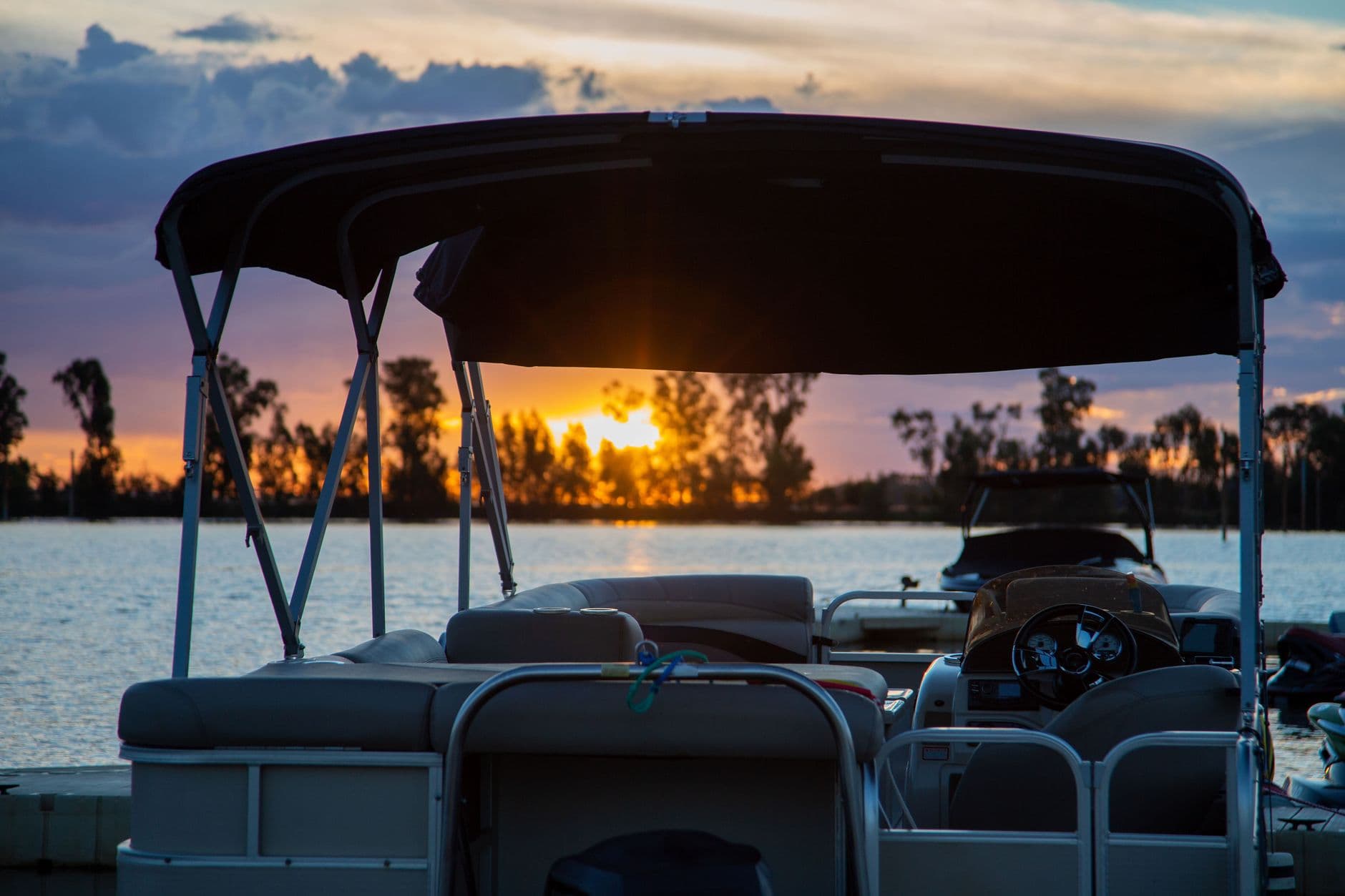
Docking can be one of the trickiest maneuvers for new and seasoned boaters alike, but with the right knowledge, it becomes manageable. When learning how to safely dock a pontoon boat, preparation and patience are key. Whether you are returning from a relaxing day on the water or facing challenging conditions like wind or current, mastering the docking process ensures both safety and confidence.
Why Learning to Safely Dock a Pontoon Boat Matters
A pontoon is designed differently than a traditional vessel. With its flat deck and twin or triple hulls, handling is unique. The wide beam gives stability, but it also catches more wind. This makes the approach toward a dock less forgiving. If you want to avoid damage and feel confident, it’s essential to learn techniques that work specifically for pontoons.
Step 1: Prepare Before You Approach
Before you even get near the dock, preparation makes the difference. Set out your fenders, untie your lines, and have a crew member ready if possible. When the dock is busy, staying organized helps you avoid delays. Always make sure cleats, ropes, and bumpers are in position.
📚 You may also like
Take your time as you assess conditions. Wind and current can shift quickly. By looking at how the water moves around floating docks or pilings, you’ll know what to expect when you bring your pontoon close. This planning stage ensures you won’t feel rushed.
Step 2: Control Your Speed
Speed is the biggest factor in docking success. Slow movement gives you more reaction time, especially when you need to reverse or adjust direction. The phrase “never approach faster than you’re willing to hit” is worth remembering.
When maneuvering, use short bursts of power instead of continuous throttle. This allows you to stop or reposition easily. In case you need to dock a boat in tight quarters, slow control ensures you avoid collisions.
Step 3: Understand the Bow and Stern
To dock successfully, you must know how your bow and stern respond to wind and current. Because pontoons have a broad profile, they drift more easily than some boats. Pay attention to which side catches wind first.
When docking a pontoon, remember that the stern may swing wide. Use light corrections to guide the vessel. By anticipating how both ends behave, you’ll line up smoothly with the dock.
Step 4: Approach at an Angle
The best docking approaches are made slowly at a shallow angle. This allows you to adjust as you near the dock, rather than coming in parallel too soon. Many experienced boaters recommend about 20 to 30 degrees.
If you overshoot, it’s better to reverse and realign rather than force the entry. The docking process is not about rushing; it’s about precision. Remember, practice makes perfect, and every attempt improves your skill.
Step 5: Use Wind and Current to Your Advantage
Conditions on the water are rarely still. Wind or current may push your pontoon in one direction. Instead of fighting these forces, use them. For example, let the breeze guide your bow toward the dock while you gently control speed with the engine.
If you’re working with floating docks, be aware they can move slightly as well. Adjust for this by maintaining a steady, controlled pace. Knowing how to adapt shows real boating experience.
Step 6: Tie Off Correctly
Once alongside the dock, tie your lines quickly and securely. Start with the bow line to stabilize, then secure the stern. Lines should be snug but not so tight that they strain when water levels shift.
Use cleats on both the dock and your pontoon. If you have extra hands, assign them roles before arrival. This ensures everything happens smoothly. When you tie properly, you protect not just your boat but others nearby.
Step 7: Practice Makes Perfect
No matter how many times you read instructions, nothing replaces experience. Safely making docking moves requires patience and repetition. Each time you dock, you’ll notice details you can improve.
As the saying goes, practice makes perfect. If you’re new, try docking in calm conditions first, then challenge yourself with windier days. The more you practice, the better prepared you’ll be in real-world situations.
Tips for Better Docking
- Always take your time rather than rushing.
- If conditions are too difficult, circle back and try again.
- Remember it takes experience to build confidence.
- Communication with your crew helps avoid confusion.
- Floating docks can shift—factor that into your approach.
By treating docking as a skill rather than a chore, you’ll enjoy the process instead of fearing it.
Common Mistakes to Avoid
- Approaching too fast: This reduces your ability to react.
- Ignoring the wind: Even light breezes can push your pontoon off course.
- Forgetting lines or fenders: Being unprepared makes docking stressful.
- Relying only on power: Sometimes it’s better to drift into place rather than forcing control.
Every mistake becomes part of your learning. With time to make corrections, you’ll improve.
Final Thoughts
Learning how to safely dock a pontoon boat takes patience, awareness, and practice. It’s not about being perfect on the first try but about developing confidence over time. By understanding your boat, preparing early, and using conditions to your advantage, docking becomes second nature.
The key is to remember that practice makes perfect. Take your time, respect the water, and soon docking will feel like one of the easiest parts of boating.


