Inboard Shaft Guide – How It Works, Benefits, and Why Your Boat Needs One
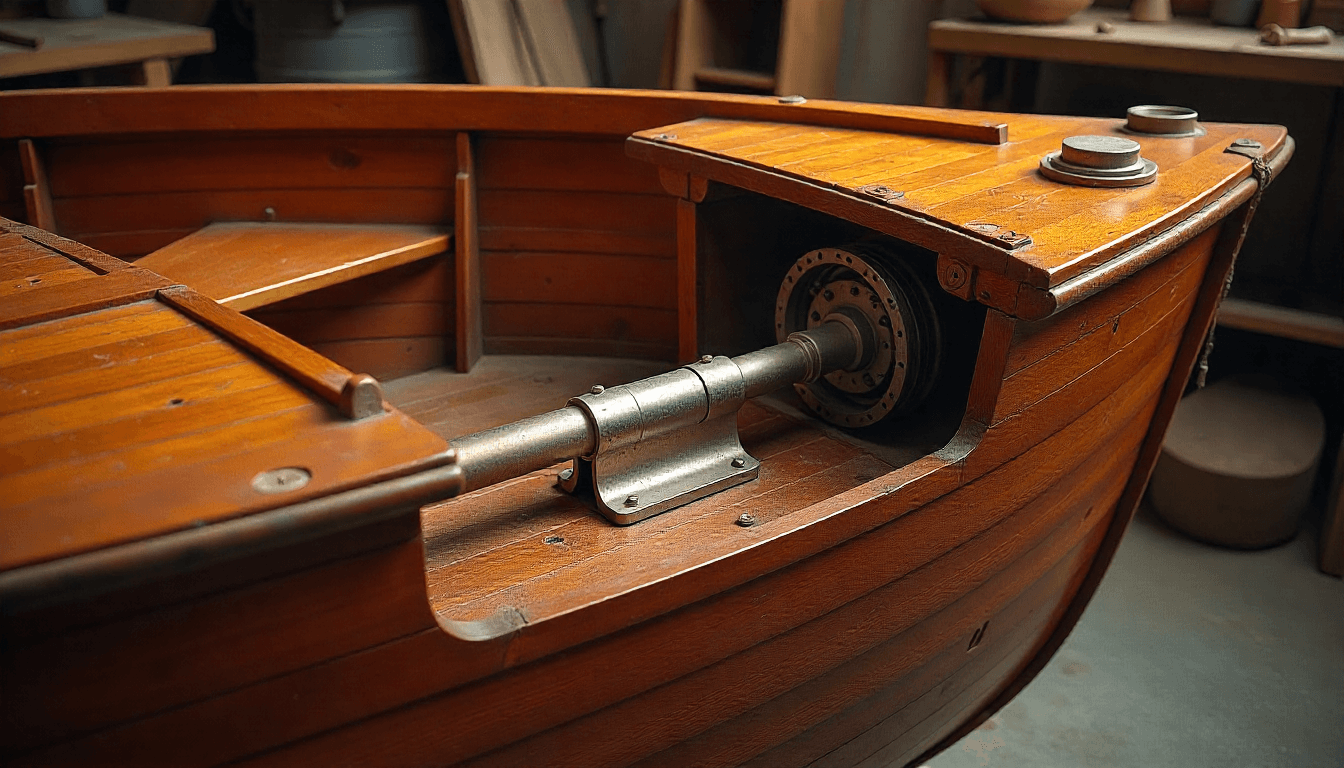
Every boat owner who values reliability and performance should understand the importance of the inboard shaft system. This inboard shaft guide explains how the system works, what makes it so effective, and why your boat depends on it. By learning the details of shaft function, maintenance, and potential issues, you can extend the life of your vessel and improve overall performance on the water.
Inboard Shaft Guide: The Basics
An inboard shaft is the vital link between the engine and the propeller shaft. Unlike outboard motors, which sit externally, inboard systems place the engine inside the hull. The inboard shaft passes through the hull, supported by a strut, and connects to the propeller. To prevent leaks, a shaft seal ensures that the shaft is sealed tightly at the hull exit point.
This inboard shaft guide emphasizes why precision alignment and careful material selection are critical. Most marine shafts are made of stainless steel, which resists corrosion and provides strength under high loads.
📚 You may also like
How an Inboard Shaft Works
To better understand this inboard shaft guide, let’s break down the process:
- The engine generates power.
- That power transfers through the inboard shaft directly into the propeller shaft.
- The propeller spins, pushing water backward and moving the boat forward.
Because the system is direct drive, energy loss is minimal. The strut and bearings stabilize the shaft while the shaft seal, often supported by hose clamps, prevents water from entering the hull. Some modern designs use cooling water to reduce friction at the seal, improving lifespan.
Benefits Explained in This Inboard Shaft Guide
Efficient Power Transfer
The inboard shaft delivers energy straight from the engine to the propeller. This means stronger thrust and smoother acceleration, especially important in larger boats.
Durability and Reliability
With proper maintenance, an inboard prop shaft and its shaft seals can last for years. Quality materials, such as stainless steel and brass, withstand marine pressure and resist corrosion.
Improved Boat Stability
Because the inboard system places the engine low and central, the boat gains balance and better handling in rough water. This is a key reason many boaters choose inboard setups.
Easier Maintenance
This inboard shaft guide also highlights maintenance simplicity. By checking for signs of wear, monitoring hoses, and ensuring that the shaft is sealed properly, owners can prevent major issues before they happen.
Components Covered in This Inboard Shaft Guide
Shaft and Propeller Shaft
The shaft is the rotating element that transfers power. The propeller shaft connects directly to the propeller and must be kept in excellent condition to avoid problems. Both experience wear over time, which makes inspections vital.
Shaft Seal and Shaft Seals
The shaft seal keeps water out of the hull. Traditional versions use packing material, while modern dripless versions rely on water cooling. Both shaft seal and advanced shaft seals should be inspected regularly to ensure performance.
Strut and Bearings
The strut, typically made of brass or stainless steel with a rubber bearing, holds the shaft steady. Bearings minimize friction and reduce wear on the shaft. A damaged strut can cause additional vibrations and may require replacement.
Hoses and Hose Clamps
Hoses carry raw water or cooling water to dripless seals. Hose clamps ensure secure fittings. A loose hose can cause additional leaks or pressure problems in the system.
Propeller
The propeller is the end component, translating shaft energy into propulsion. A damaged propeller not only reduces efficiency but also increases wear on the shaft and strut.
Common Problems with Inboard Shafts
Even the best inboard shaft system can face issues. This inboard shaft guide identifies the most frequent ones.
Signs of Wear
Look for unusual vibrations, noise, or visible corrosion. These signs of wear often point to problems with bearings, shaft seals, or propeller shaft alignment.
Shaft Seal Failures
If the shaft seal loosens or fails, water can seep into the hull. Ensuring the shaft is sealed correctly prevents costly damage to engine mounts and other parts.
Misalignment Issues
Misaligned shafts cause vibrations and uneven wear. This often leads to problems with the propeller shaft, bearings, or strut.
Corrosion
While stainless steel resists rust, prolonged exposure to raw water may cause surface wear. Regular inspection and use of high-quality marine products help avoid this.
Maintenance Tips from This Inboard Shaft Guide
Regular Inspections
Check the shaft, shaft seals, propeller shaft, and strut frequently. A worn shaft or damaged bearing can lead to bigger issues if ignored.
Monitor Cooling Systems
Ensure cooling water flows freely to the shaft seal. A blocked hose can cause overheating and worn seals.
Alignment Checks
Loose engine mounts or improper alignment cause additional vibration. These problems may also wear bearings and shaft seals faster.
Replace Damaged Components Early
Replacing a propeller, strut bearing, or seals at the first sign of wear prevents bigger problems. Longer delays can cause additional damage.
Seasonal Care
Inspect shaft seals, hoses, hose clamps, and the propeller before storing your boat. A small replacement at season’s end ensures smoother sailing next time.
Why Every Boat Needs an Inboard Shaft
The final point in this inboard shaft guide is simple: your boat relies on the shaft system for propulsion and safety. By transferring engine power directly to the propeller shaft, the inboard design ensures efficient performance, reduced vibration, and better handling.
With proper care—such as monitoring shaft seals, inspecting hoses, and looking for signs of wear—the inboard shaft will serve you for many years. A well-maintained system not only boosts performance but also protects your investment.
For anyone serious about boating, this inboard shaft guide shows that regular inspections, quality materials, and timely maintenance make the difference between smooth sailing and costly breakdowns.