How to Paint a Boat: Complete Painting Guide for Beginners

Founder, TheThinksters.com
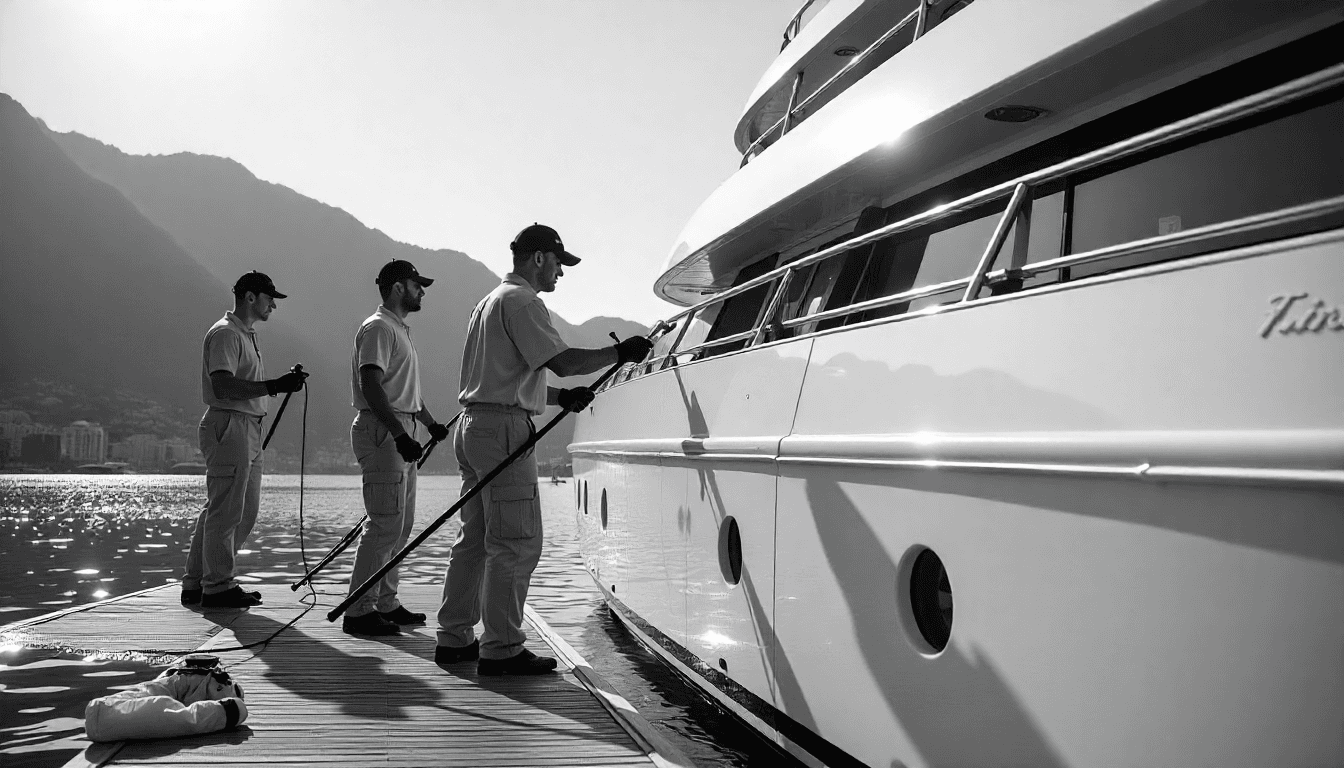
Painting a boat is one of the most rewarding maintenance projects for any boat owner. Knowing how to paint a boat correctly ensures not only a stunning finish but also long-lasting protection against water, sun, and wear. With proper preparation, careful application, and the right materials, even beginners can transform their boat’s appearance and extend its life. This guide will walk you step by step through the process.
Why Learn How to Paint a Boat?
Every boat faces harsh conditions—saltwater, UV rays, sand, and debris. Over time, the surface dulls, cracks, or chips. Learning how to paint a boat gives you control over its upkeep and helps maintain its value. More importantly, a freshly painted surface provides a layer of protection against corrosion and damage.
For beginners, the process may seem intimidating. But with proper preparation and a clear guide, you’ll see that painting a boat is achievable even with limited experience.
📚 You may also like
Preparing the Boat for Paint
Cleaning and Sanding the Hull
Before you paint, preparing the hull is crucial. Start by washing the entire surface to remove dirt, oil, and residue. Once the boat is clean and dry, sand the hull to smooth out imperfections and create a surface the new paint can bond to. Proper preparation ensures durability and prevents peeling later.
During sanding, use medium-grit sandpaper first, then finish with fine grit. Pay close attention to edges and corners where paint tends to wear away faster. Once done, rinse and dry the boat thoroughly.
Checking for Damage
Inspect the boat for cracks, chips, or blisters. Repair these before you paint. Any flaws left untreated will show through the finish and weaken the protection. Filling small imperfections with marine filler helps create a smooth surface ready for painting.
Choosing the Right Paint for a Boat
Not all paints are the same. When learning how to paint a boat, selecting the correct type is as important as applying it well.
Single-Part vs. Two Part Paints
Single-part paints are easier to apply, making them popular with beginners. They provide a glossy finish but may wear faster.
Two part paints, on the other hand, offer superior durability. Though they require more precise mixing and careful application, the results are harder, shinier, and longer-lasting. Many professional yards prefer two part paints for their toughness and resistance to abrasion.
When deciding, consider your experience level, budget, and how often you use the boat.
Tools and Materials Needed
Before you start, gather everything in one place. You’ll need:
- Marine-grade paint (single-part or two part paints)
- Rollers and brushes
- Sandpaper (medium and fine grit)
- Painter’s tape
- Drop cloths
- Safety gear (gloves, mask, goggles)
If you plan to use the roll and tip method, you’ll also need high-density foam rollers and quality brushes. This technique provides a smooth, professional look by rolling the paint and immediately brushing it out.
Step-by-Step Guide: How to Paint a Boat
Step 1: Masking and Protecting Areas
Use painter’s tape to cover rails, fittings, and other parts you don’t want painted. Secure drop cloths around the working area to catch drips.
Step 2: Priming the Surface
Applying primer helps the paint bond better and last longer. Use a marine primer that matches your chosen paint system. Let the primer dry completely before moving to the next step.
Step 3: Applying the Paint
Stir your paint thoroughly and pour small amounts into a tray. If using two part paints, mix only what you’ll use within the working time.
Apply the paint using smooth, even strokes. Many beginners choose the roll and tip method, where one person rolls on paint and another tips it with a brush for a glassy finish. This ensures fewer bubbles and streaks.
Step 4: Adding Additional Coats
Most boats require at least two coats for full coverage. Between coats, lightly sand the surface to remove imperfections. Always allow proper drying time before applying the next coat. Skipping this step can lead to peeling.
Step 5: Finishing Touches
Once the final coat is dry, carefully remove the painter’s tape. Inspect edges and touch up areas as needed. Let the boat sit in a dry, dust-free space for at least three days before returning it to the water.
Painting the Bottom of the Boat
If your project involves bottom paint, choose a formula that prevents marine growth. Bottom paint comes in ablative and hard finishes. Ablative wears off gradually, while hard paint resists scrubbing and high speeds.
Apply bottom paint using a roller, ensuring even coverage. Remember to use protective gear since these paints contain strong chemicals.
Pro Tips for Painting a Boat
- Work in warm, dry weather for the best results.
- Use multiple thin coats rather than one thick coat.
- Sand lightly between coats to achieve a smooth finish.
- Follow the manufacturer’s instructions for mixing and drying time.
- Keep a clean workspace to prevent dust from sticking to wet paint.
Proper preparation and patience are key. Even if you’ve done smaller paint jobs before, painting a boat requires extra care because of its size and exposure to harsh conditions.
Mistakes to Avoid
- Skipping proper preparation of the hull
- Applying paint too thickly
- Ignoring drying time recommendations
- Using household paints instead of marine-grade products
These errors can lead to poor adhesion, bubbling, or early peeling. Always remember that proper preparation is half the work.
Maintaining a Painted Boat
Once your boat is freshly painted, maintenance becomes crucial. Wash the surface regularly with mild soap and fresh water. Avoid harsh chemicals that may strip away the finish.
Apply wax to the topsides for added shine and UV protection. Inspect the paint every season for chips or wear, and touch up small areas promptly to prevent spreading. With regular care, a well-painted boat can look new for three years or more.
Conclusion: How to Paint a Boat Successfully
Learning how to paint a boat is a skill that pays off in both beauty and function. With the right tools, careful preparation, and proper application, even beginners can achieve professional results. From selecting between single-part or two part paints, to mastering techniques like roll and tip, the process is both rewarding and practical.
Whether you’re refreshing an older vessel or giving your boat a brand-new look, a quality paint job extends its life and enhances every trip on the water.


