How to Dock a Jet Ski Safely: Beginner-Friendly Docking Tips
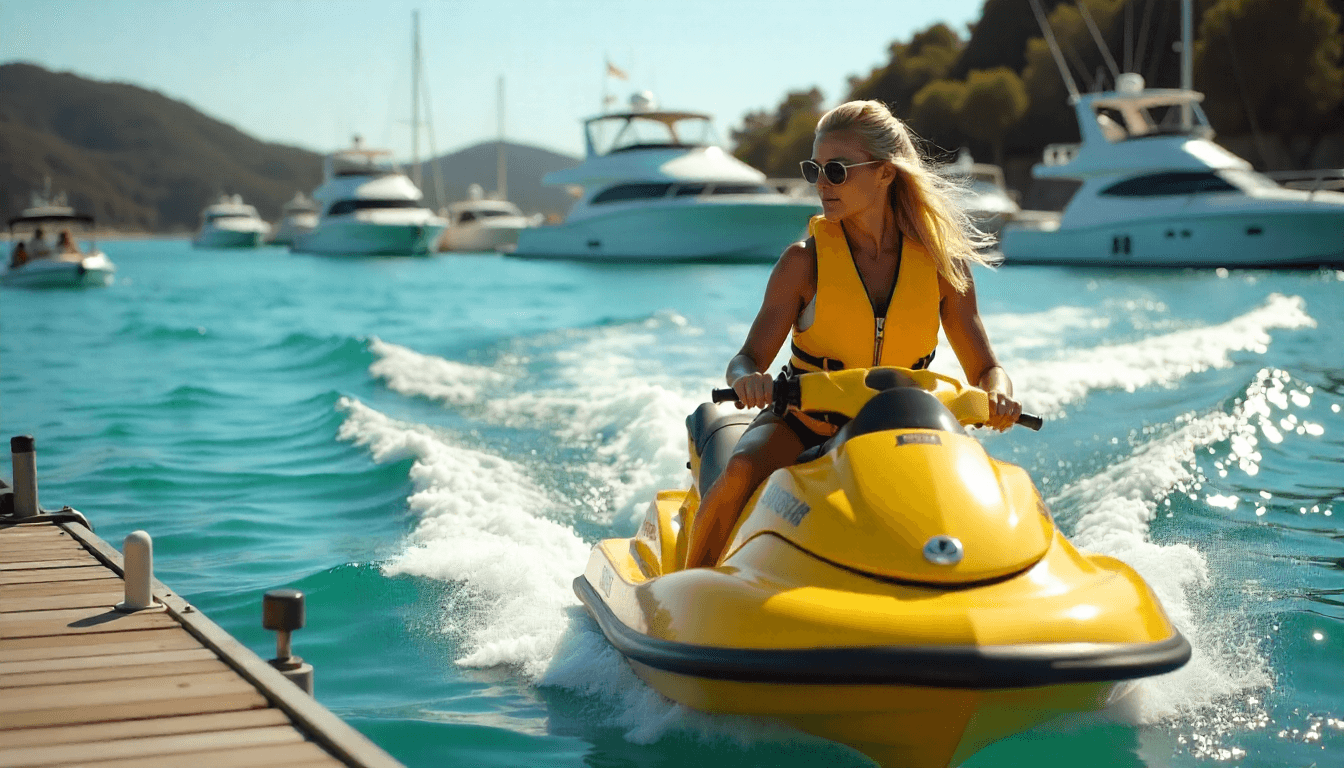
Docking may seem intimidating when you first learn how to dock a jet ski, but with practice and the right techniques, it becomes second nature. Whether you’re using a floating dock, tying up at a public dock, or docking a pwc in fluctuating water levels, understanding the process ensures safety, reduces stress, and protects both your craft and nearby vessels.
This guide will walk you through step-by-step strategies for docking your pwc, from how to approach the dock to securing dock lines correctly. Along the way, we’ll highlight common mistakes, docking solutions, and tips for different water conditions so you can dock a jet ski like a pro.
Why Learning How to Dock a Jet Ski Matters
Many new riders are surprised by how much technique is required to dock a pwc correctly. Unlike cars, personal watercraft lack brakes, so controlling momentum is all about throttle, current, and timing. Failing to dock slowly, misjudging wind and current, or using too much speed can cause damage not only to your jet ski but also to docks and nearby vessels.
📚 You may also like
More importantly, docking protects your pwc in the long term. Improper handling can scrape the hull, strain the dock lines, and even cause accidents. By practicing docking a pwc the right way, you keep yourself and others safe.
Preparing Before You Approach the Dock
Preparation is often the best way to avoid stressful docking situations. Before you approach the dock, always:
- Pay attention to weather conditions. Wind and current can dramatically affect how your craft drifts.
- Check water depth. Some floating docks or public docks are in shallow areas that may not be ideal for larger watercraft.
- Have dock lines ready. A short dock line at the bow and another at the stern will help secure your pwc.
- Reduce speed early. The best way to dock safely is to slow down well before you reach the dock.
When approaching the dock, remember: it’s always better to underpower than overpower.
How to Approach the Dock Step by Step
The most critical part of docking your pwc is how you approach the dock. Small errors in this stage can force you to overcorrect or even cause damage. Follow these steps:
- Approach the dock at an angle. This gives you room to adjust direction and lets you use the dock as a reference point.
- Dock slowly. Keep throttle minimal, just enough to maintain momentum without overshooting.
- Cut the engine when close. Once you’re within arm’s reach, cut the engine and let the craft glide.
- Use your hands, not throttle, to finish. Push gently off the dock or guide yourself into position.
By practicing this method, you’ll learn to approach the dock with confidence, even in tricky water conditions.
Using Dock Lines and Securing Your PWC
Once you’re alongside, the next step is tying off properly. Dock lines are essential for keeping your pwc secure, especially if water conditions change or floating docks shift.
- Loop the line correctly. Always loop the line around the dock cleat, making sure it holds firm.
- Tie bow and stern. Using a dock line at both ends prevents drifting.
- Allow for fluctuating water. If water levels rise or drop, leaving a little slack prevents strain on your craft.
Dock lines may seem like a small detail, but they’re what stand between a stable docked craft and one that scrapes against docks or drifts away.
Floating Dock vs. Public Dock: What’s the Difference?
Choosing the right docking solution depends on where you ride most often.
Floating Dock
A floating dock rises and falls with water levels, making it especially useful in fluctuating water. Floating docks are popular for residential waterfronts and private marinas. Some setups even include floating pwc docks and pwc lifts, which keep your craft out of the water when not in use.
Public Dock
A public dock may include more traffic, larger boats, and less forgiving docking conditions. When docking your pwc in such spaces, you’ll need to pay extra attention to buoy etiquette and be aware of nearby vessels.
Both docking solutions work, but a floating dock offers more flexibility for long term protection.
Tips for Docking a PWC in Different Conditions
Not every docking attempt happens in calm water. Here’s how to adapt:
Wind and Current
When wind and current push you away, approach the dock at a sharper angle. When they push you toward the dock, reduce speed early to avoid too much momentum.
Busy Docks
At a public dock, you may need to dock quickly to avoid blocking others. In these cases, make sure your dock lines are prepped before you even approach the dock.
Fluctuating Water
Floating docks help here, but even then, tie with slack in your dock lines to allow movement.
Common Mistakes Beginners Make When Docking
Learning how to dock a jet ski safely takes patience. Some of the most common mistakes include:
- Using too much speed. High throttle makes it harder to stop, increasing risk of collisions.
- Failing to cut the engine. Always cut the engine before you reach the dock to prevent propeller damage and accidental acceleration.
- Not preparing dock lines. Scrambling for dock lines at the last moment makes docking stressful.
- Ignoring water conditions. Failing to adjust for wind and current can cause damage or misalignment.
Advanced Docking Tips for PWC Riders
Once you’re comfortable with basic docking, try refining your technique:
- Practice approaching the dock from different angles. This prepares you for varying wind and current conditions.
- Use neutral throttle. Some models allow a neutral gear that makes docking smoother.
- Dry docking. When not in use for long term storage, dry docking keeps your craft safe from fluctuating water and damage.
Advanced riders often say that docking pwcs is less about strength and more about precision. The more you practice, the less effort you’ll need.
Jet Ski Safety and Docking Etiquette
Docking isn’t just about your craft—it’s also about respecting others. Always:
- Keep speed minimal near docks.
- Watch out for nearby vessels when you approach the dock.
- Follow buoy etiquette to avoid cutting off other riders.
- Make sure your dock lines don’t cross or block pathways.
Remember, a dock is a shared space. Docking your pwc correctly helps keep everyone safe.
Conclusion: The Best Way to Dock a Jet Ski
Learning how to dock a jet ski safely is a skill that pays off every time you ride. From preparing your dock lines to practicing how to approach the dock, every step reduces risk and ensures you dock your pwc without stress. Whether you use a floating dock, a public dock, or floating pwc docks, practicing these techniques makes you a more confident rider.
With time, docking becomes second nature. You’ll find that the best way to protect your personal watercraft is through consistent practice, attention to water conditions, and patience every time you dock.


