Step-by-Step Guide: How to Dock a Boat Smoothly Without Wind or Current

Founder, TheThinksters.com
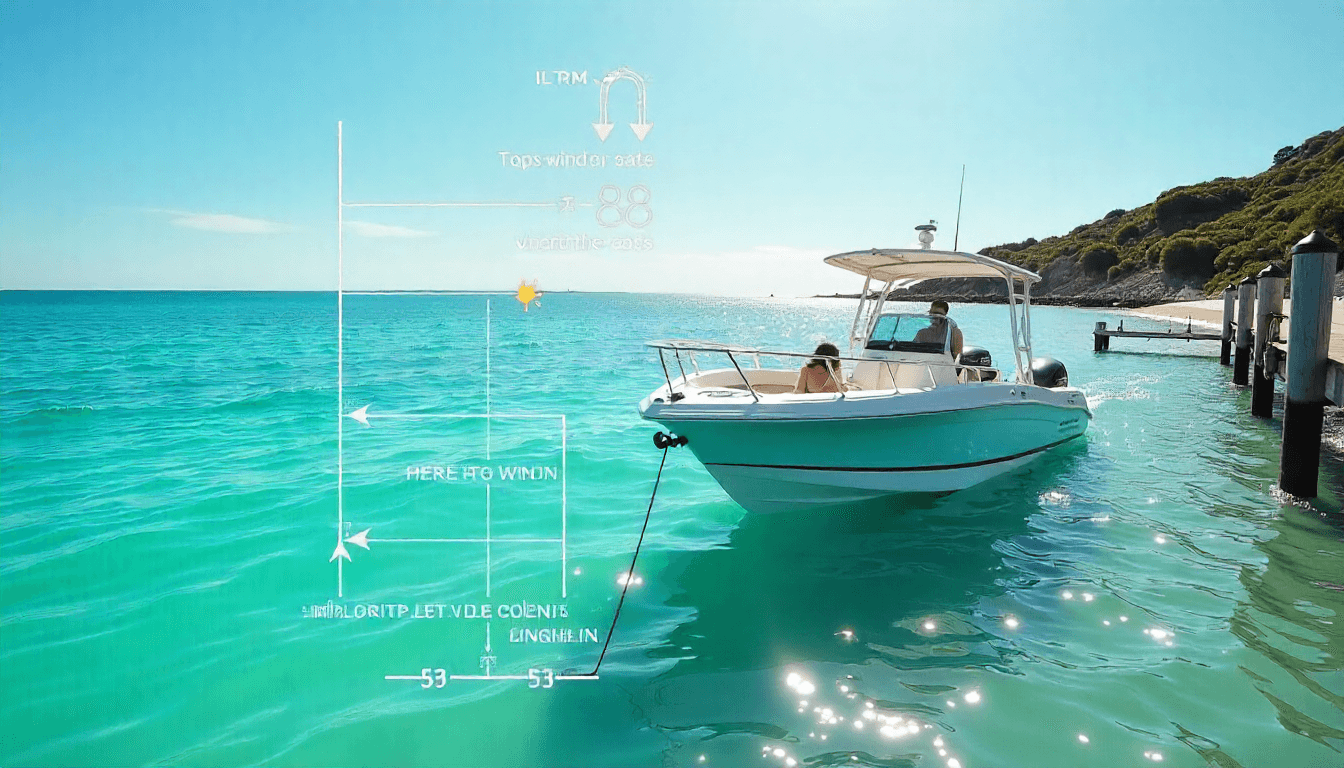
Docking is one of the most nerve-wracking parts of boating for beginners and even seasoned captains. When there’s no wind or current, many think the task becomes effortless. However, learning how to dock a boat smoothly without external forces requires precision, awareness, and patience. The techniques outlined in this guide provide a systematic approach that ensures both safety and confidence every time you return to the dock.
Understanding the Basics Before You Dock a Boat
The key to a successful docking process lies in preparation. Even when conditions are calm, your boat reacts differently depending on its size, weight, and handling. Docking is never about speed; instead, it’s about control and making adjustments as needed.
When you prepare to dock a boat, always check your lines and fenders in advance. These not only protect your vessel but also the dock itself. Knowing where your bow and stern are at all times will help you line up your approach effectively.
📚 You may also like
Step 1: Approach the Dock Slowly
Calm waters can make you overconfident. But remember, docking a boat isn’t about rushing. You must take your time. Approach the dock at the slowest possible speed that still allows you to maintain control. This ensures that if you misjudge, you won’t cause damage.
Keep in mind that docking is about maneuvering into position with minimal corrections. Moving slowly gives you room to stop or reverse without panic.
Step 2: Position Your Boat Correctly
As you move towards the dock, align the bow and stern in a straight line with the slip or docking area. The goal is to approach at a shallow angle. This angle gives you the best chance to straighten out as you enter the slip.
When docking a pontoon boat, for instance, the larger profile and wind resistance may require subtle throttle adjustments, even when there’s no wind. You’ll still need to anticipate how the boat around you may affect your path.
Step 3: Use Lines and Fenders
Before the final approach, make sure your lines and fenders are in place. Place fenders along the side of the boat facing the dock to prevent damage. Secure bow lines and stern lines so they’re ready to hand off once you’re close.
Lines and fenders serve as both protection and control. A crew member can step onto the dock carefully and secure the bow lines and stern, stabilizing the vessel immediately.
Step 4: Final Approach Towards the Dock
When you are just a few feet away, take your time again. The last minute before contact is the most critical. Shift the boat into neutral and allow momentum to carry you. If you need slight corrections, use small throttle adjustments as needed.
The objective is to glide towards the dock and stop without hitting it. Never be willing to hit the structure just to make the approach. Instead, re-adjust and try again.
Step 5: Tie Off Securely
Once alongside, tie off using dock lines. Start with the bow and stern, then secure additional lines to prevent drifting. Ensure the boat is snug against the dock but not pressing too hard against it. Properly tied stern lines and bow lines provide stability.
The docking process ends with safety checks: confirm fenders are still in position and that lines are holding firmly.
Practical Tips to Improve Your Docking Skills
Take Your Time With Every Docking Situation
Whether you are docking a small vessel or practicing with a pontoon boat, patience is critical. Always take your time rather than rushing, especially when others are watching. Rushing leads to mistakes, and mistakes often lead to damage.
Practice With Different Angles
Even in calm conditions, practice approaching the dock from different directions. You’ll gain confidence in how your boat responds. The more you practice, the less intimidating the docking process becomes.
Anticipate Docking Conditions
Though this guide focuses on how to dock a boat without wind or current, you’ll often encounter variable conditions in real life. Practicing calm-water docking helps you build a foundation so you can adapt when wind conditions or current come into play.
Common Mistakes and How to Avoid Them
- Approaching too fast – Speed reduces your reaction time and increases the chance of hitting the dock.
- Not using lines and fenders – Skipping these essential tools can result in scratches or dents.
- Poor alignment – If your bow and stern are not lined up, you’ll struggle to enter the slip smoothly.
- Last minute overcorrections – Jerky throttle use can push your boat around uncontrollably.
Final Thoughts on How to Dock a Boat
Learning how to dock a boat smoothly without wind or current takes repetition and patience. Always prepare your lines and fenders in advance, approach slowly, and use small throttle adjustments as needed. Remember to take your time, keep calm, and never be willing to hit the dock just to finish the maneuver.
With steady practice, every docking situation will feel less stressful, and you’ll gain confidence in your boating skills.


