Step-by-Step Guide: How to Build a Dock on a Pond for Beginners
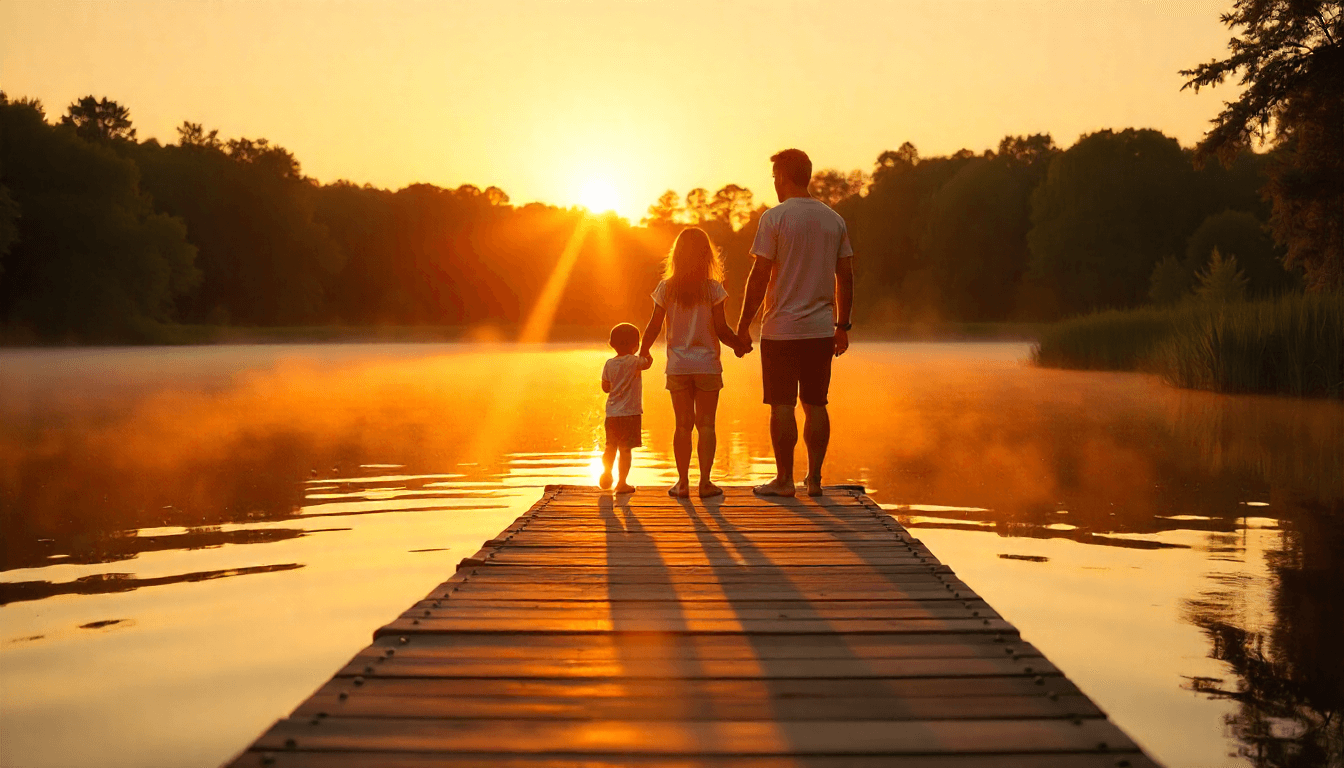
Building a small structure by the water may sound intimidating, but learning how to build a dock on a pond can be a rewarding project that transforms your property. Whether you want a place to fish, swim, or simply enjoy a peaceful sunset, a sturdy dock on a pond adds beauty and functionality. With the right planning, materials, and techniques, even beginners can create a long lasting structure that stands up to water levels, weather, and time.
Why Build a Dock on a Pond?
A dock provides access to the water while enhancing outdoor living spaces. Many property owners choose to build a dock on a pond to improve recreational opportunities. A dock structure also increases property value, offering year round enjoyment. From fishing to floating your dock for swimming, docks provide both relaxation and utility.
Beyond recreation, building a quality dock on a pond can improve safety. Instead of wading through mud or slippery banks, you’ll have a stable surface that allows you to step into the water easily. For anyone who spends time near ponds, a dock quickly becomes essential.
📚 You may also like
Planning Before You Build
Before diving into construction, consider several key factors that influence your dock project.
Step 1: Assess Your Pond
Every pond is unique. Check the water depth, soil stability, and water levels throughout the seasons. Rising or falling levels may affect whether you choose a stationary dock or a floating dock. In some areas, you might also need permits, especially if your pond connects to public water.
Step 2: Choose the Right Type of Dock
There are different types of docks, and each has benefits:
- Stationary dock – Best for stable water levels. Posts are set into the pond bottom for permanent support.
- Floating dock – Ideal for fluctuating water levels. Floating your dock means it adjusts naturally as water levels change.
When considering types of docks, think about how you’ll use it. High traffic activities like swimming may require special reinforcement, while a simple fishing spot may need less support.
Step 3: Determine Size and Shape
Your dock’s size and shape should match your pond’s dimensions and your intended use. A straight walkway may suit fishing, while an L-shaped or T-shaped structure may better serve family gatherings or floating docks. Always make sure your dock design fits both your needs and the natural environment.
Materials You’ll Need
Selecting the right materials ensures your dock lasts for years.
- Wood: Pressure treated lumber or cedar are popular choices. Use pressure treated materials if you want durability and resistance to water damage. Cedar offers a natural look but requires more maintenance.
- Steel hardware: Galvanized or marine grade fasteners prevent rust.
- Decking material: Wood planks, composite boards, or complete kits can all be used depending on budget.
- Floatation devices: For floating dock designs, floats or barrels provide buoyancy.
Using pressure treated lumber is common, but always confirm it’s safe for use near fresh water.
Step-by-Step Building Process
First Step: Laying Out the Design
Mark the shoreline and decide where your dock will extend. Consider water depth and natural obstacles. Planning your installation carefully prevents issues later.
Step 2: Installing Pilings or Anchors
If building a stationary dock, posts must be set into the pond bottom. Use treated lumber or concrete pilings for stability. Floating docks, on the other hand, require anchors or cables to hold them in place while allowing movement.
Step 3: Building the Frame
Assemble the dock structure on land first. This helps you check for loose parts, alignment, and safety before moving it into the water. Make sure joints are tight and use pressure treated materials for long lasting strength.
Step 4: Adding Decking
Secure decking material to the frame using marine grade fasteners. Leave small gaps between planks to allow water drainage and prevent warping. If you are floating your dock, attach floats underneath before sliding it into the pond.
Floating Your Dock vs. Stationary Dock
Floating docks offer flexibility with changing water levels, while stationary docks provide firm stability. Floating the dock may be preferable if your pond experiences large seasonal changes. Stationary models are best if your water level remains steady year round.
If you choose a floating dock, use floats that are sealed, durable, and resistant to water damage. Floating docks require special anchoring to prevent drifting, but their adaptability often outweighs the extra maintenance.
Safety and Maintenance Tips
A dock on a pond is only as good as its upkeep. To keep it safe and usable:
- Inspect for loose parts annually.
- Check decking for rot or water damage.
- Replace hardware with marine grade fasteners if rust appears.
- Clean algae buildup to reduce slipping.
By maintaining your dock, you ensure it remains safe for swimming, fishing, and relaxing.
Common Mistakes to Avoid
When building docks, beginners often:
- Underestimate water depth and soil conditions.
- Fail to use pressure treated lumber, resulting in early decay.
- Forget to consider water levels, leading to seasonal flooding issues.
- Choose the wrong type of dock for their needs.
Avoid these errors by carefully planning your dock structure and using appropriate materials.
Final Thoughts
Learning how to build a dock on a pond is a manageable project when approached step by step. By planning your size and shape, selecting the right type of dock, and choosing materials like pressure treated lumber, you can create a strong structure that provides enjoyment for years. Whether stationary or floating, docks provide beauty, functionality, and access to the water.
If you need to build for high traffic use, consider reinforced posts and decking material that can handle years of wear. For more casual use, a floating dock may be easier and more adaptable to changes in water level.
In the end, when you build a dock on a pond, you not only gain a place for recreation but also create lasting memories by the water.