How Boat Anchors Work: Beginner’s Guide to Anchor Types and Functions
Anchoring is one of the most essential skills in seamanship. For anyone new to boating, understanding how boat anchors work is critical to safety, navigation, and confidence on the water. Whether you’re stopping for a swim, fishing, or weathering a storm, the right anchor that works with the right technique can make all the difference.
Why Understanding How Boat Anchors Work Matters
Most new boaters quickly discover that anchoring is not as simple as dropping heavy metal overboard. Boats normally anchor with specific gear and techniques suited to the conditions beneath the water. Anchors are used to hold a boat in place, and their effectiveness depends on their design, the seabed, the anchor line, and how well the anchor is set. Knowing how anchors work helps you avoid dragging, drifting, or damaging your vessel.
The Basic Principle: How Anchors Work
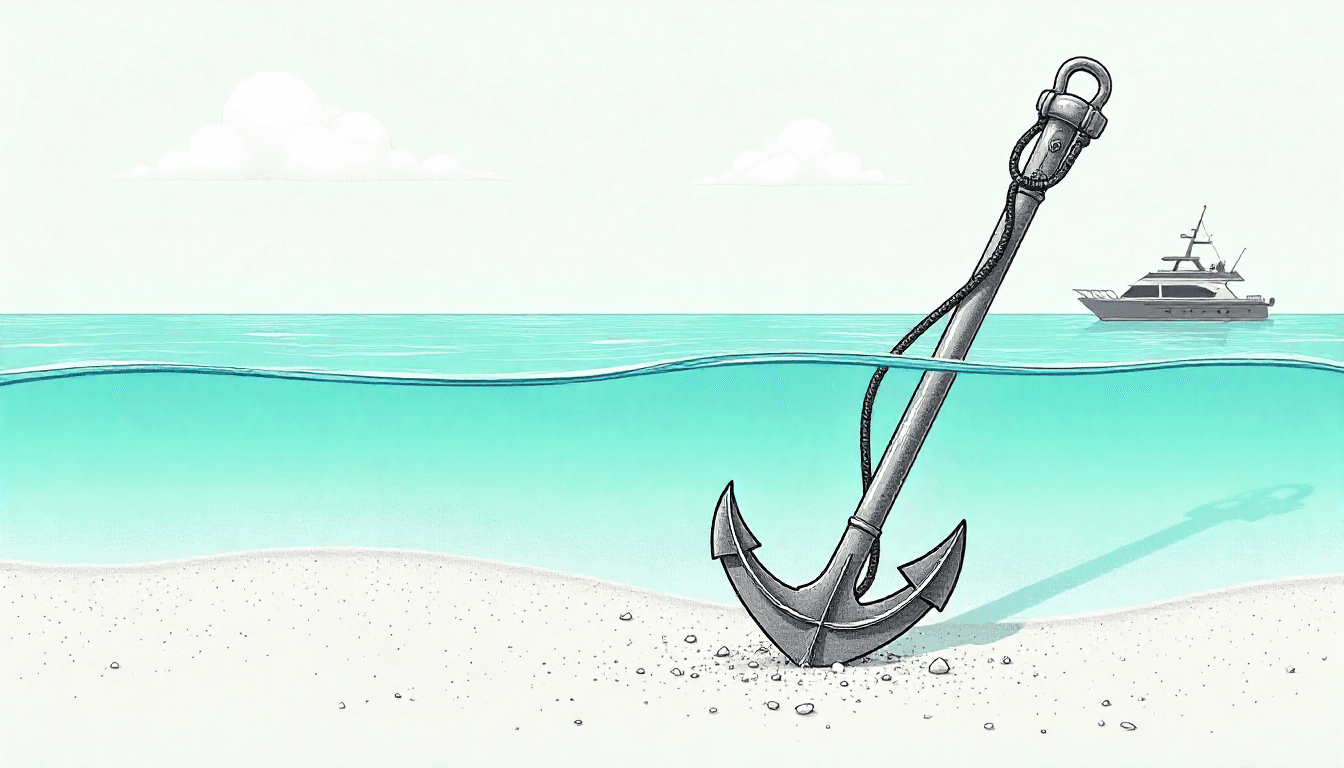
The principle behind how boat anchors work is straightforward: an anchor digs into the sea bottom and resists movement. Anchors are designed to increase holding power by embedding themselves into sand, mud, or other seabed materials. Combined with rope and chain, they create the necessary horizontal force to keep the boat secure. The chain adds weight, keeps the anchor at the right angle, and helps keep tension low, improving the anchor’s grip.
📚 You may also like
Different Types of Anchors and Their Functions
There are several different types of anchors, each with unique designs tailored to certain conditions. Choosing the right one depends on where you’re boating and what seabed you encounter.
Plow Anchors
Plow anchors dig in like a plow turning soil. They are considered versatile and provide much holding power in sand, mud, and even grassy bottoms. With a high strength steel build, they are reliable for larger boats.
Fluke Anchors
Fluke designs, often seen in smaller vessels, are lightweight yet provide excellent holding ground in sand and mud. Because they fold flat, they’re easy to store and handle.
Claw Anchors
Claw designs, sometimes called Bruce anchors, are stable and set quickly. While they may not offer as much holding power as a plow, they are good in multiple bottom conditions, including rocky bottoms.
Mushroom Anchors
Best in hard mud or soft bottoms, mushroom anchors rely on added weight rather than sharp flukes. They are commonly used for moorings or small boats where much holding is not required.
Modern Anchors
Modern anchors, including spade and scoop designs, combine features of plow and fluke anchors. They dig deep, provide much holding power, and reset easily if the wind shifts.
Anchor Gear: Rope, Chain, and Line
The anchor is only part of the system. A proper setup includes an anchor line, which typically consists of rope and chain. The rope provides length and flexibility, while the chain offers added weight and abrasion resistance against rocks or coral. The anchor chain keeps the anchor shank flat, ensuring the flukes can dig into the holding ground.
A common rule is one foot of chain per foot of boat, but larger boats often use longer lengths for stability. With the right scope—typically seven feet of line for every foot of water depth—the system delivers maximum holding power.
Setting and Retrieving Anchors
To make sure an anchor may hold, boaters must learn proper anchoring technique. Dropping the anchor straight down is rarely effective. Instead, you must let out enough line, allow the anchor to settle, and slowly reverse the boat to set the flukes.
When retrieving, pulling straight upward can break the anchor free. In difficult bottoms, maneuvering the boat above or beyond the anchor can help loosen it.
One Anchor or Two?
Most recreational boats use one anchor, but in strong winds or currents, two anchors may be required. This method increases stability and reduces swinging. Two anchors can be deployed in a “V” formation from the bow or in a fore-and-aft setup to prevent drifting in tight spaces.
Conditions That Affect Holding Power
Several conditions affect how much holding power an anchor delivers.
- Sand: Hard sand offers excellent grip and is often considered the best in hard conditions.
- Mud: Anchors can be used here, but they may clog or slip if not designed for soft bottoms.
- Rocky bottoms: These make anchoring difficult, as anchors struggle to dig in. A plow or claw style may perform better.
- Grass: Anchors may struggle to penetrate thick vegetation, though modern anchors with sharp flukes can help keep hold.
Safety and Best Practices in Anchoring
Anchoring is not just about convenience—it’s about safety. To help keep your boat secure:
- Always carry the right size and type of anchor for your vessel.
- Inspect your rope, chain, and anchor line for wear.
- Use high strength materials for both chain and rope.
- Make sure to deploy adequate scope based on depth and wind conditions.
- Keep a backup anchor aboard.
Anchoring mistakes, like insufficient scope or poor bottom assessment, can lead to dragging and dangerous situations. A good anchor setup helps keep the boat safe, even in changing weather.
Anchoring for Different Boats
Smaller boats often rely on lightweight fluke anchors with short chains, while larger boats require heavier plow or modern designs with longer lengths of chain. Boating in shallow lakes differs from anchoring in tidal seas, where currents and winds create stronger forces.
Recreational boats normally anchor for leisure, but for fishing or diving, holding position is vital. Commercial and larger vessels use multiple anchors and heavy gear to ensure stability.
Anchoring in Practice: Tips for Beginners
- Test how boat anchors work in safe, calm waters before relying on them in strong winds.
- Practice using one anchor and then learn when two anchors might be better.
- Always account for scope, wind shifts, and tide changes.
- Remember: the right anchor can be the difference between a relaxing day and a drifting hazard.
Conclusion: How Boat Anchors Work in Real Life
Anchors may seem simple, but their role in boating is complex and vital. By understanding how boat anchors work, boaters can make informed choices about the right gear, techniques, and safety practices. With the proper anchor, rope, and chain, and the knowledge of how to set and retrieve, any boater can gain confidence on the water.
Anchors do more than just hold a boat; they help keep vessels safe, stable, and ready for every adventure. Whether in calm sand, challenging rocky bottoms, or deep seas, there is always an anchor that works if chosen and used properly.