Floating Dock Explained: Benefits, Types, and Key Differences From Fixed Docks

Founder, TheThinksters.com
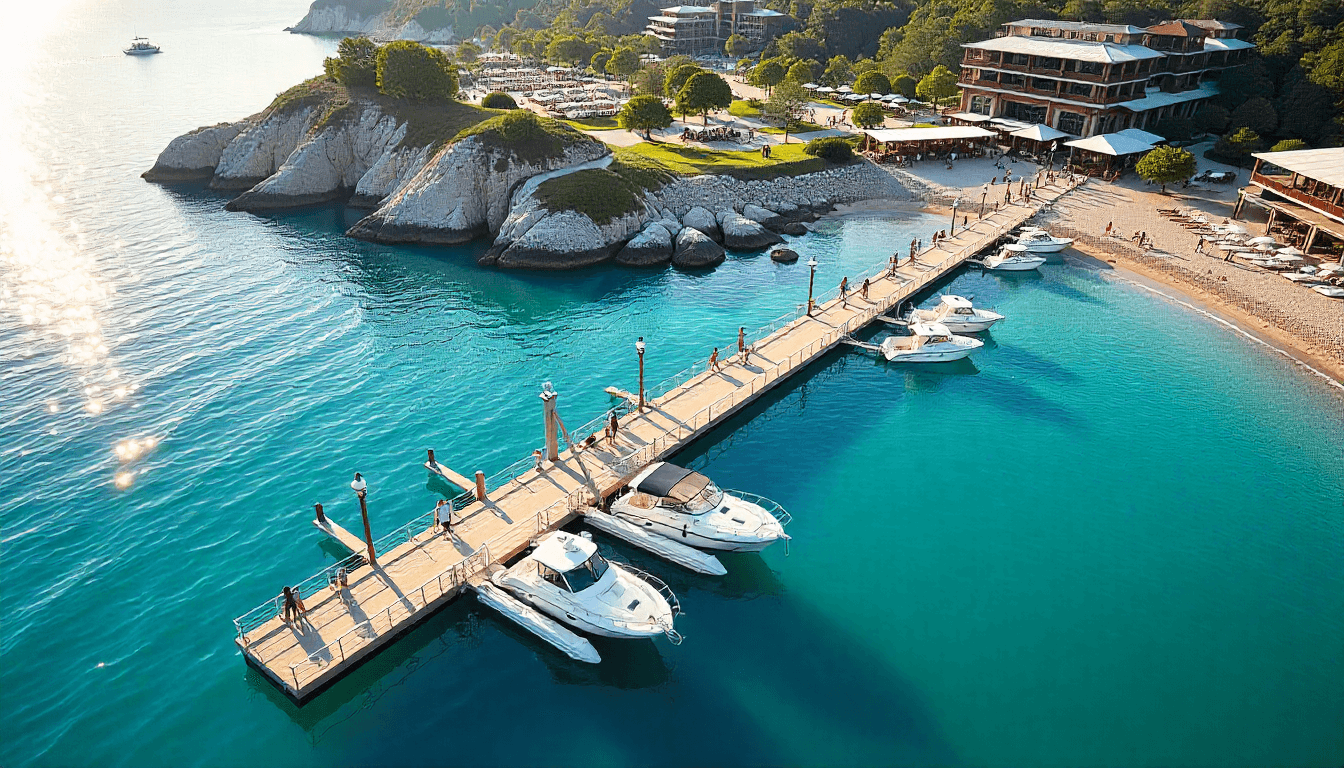
A floating dock explained in simple terms is a structure designed to rest on buoyant materials so it adjusts automatically to changing water levels. Unlike fixed docks, which are anchored permanently into the ground, this type of dock provides flexibility, easier maintenance, and versatile installation. For homeowners, marinas, and waterfront businesses, understanding how these docks work is essential before investing in a long-term docking solution.
What Is a Floating Dock?
A floating dock is built on pontoons, foam-filled sections, or polyethylene blocks that allow it to rise and fall naturally. Instead of relying on piles driven into the lakebed or riverbed, the platform stays level with the water. This makes it especially useful in areas where water levels fluctuate due to tides, rain, or drought.
They are modular by design, meaning they can be expanded, reshaped, or even moved. They are easy to install, easier to maintain than many wooden docks, and ideal for both residential and commercial applications.
📚 You may also like
Benefits of Choosing a Floating Dock
Adjusts to Water Levels
The most important advantage is adaptability. As water levels rise and fall, a floating dock keeps a consistent height relative to the surface. Fixed docks cannot provide this flexibility and may end up too high or submerged, depending on seasonal changes.
Easy to Maintain
Because many of these docks are made from synthetic materials such as polyethylene or composite decking, they resist corrosion and rot. Compared to traditional wooden docks that can be time consuming to repair, floating options are easier to maintain and last longer. For waterfront property owners who want less upkeep, this is a major advantage.
Flexible Size and Shape
Modular sections mean you can design the dock in different types of layouts — a straight walkway, an L-shaped platform, or a large multi-slip system. Over time, sections can be added or removed depending on specific needs. This level of customization sets floating systems apart from many permanent docks.
Easy Installation and Relocation
Since they are not permanently anchored, these docks allow easy installation. They can be placed with minimal equipment, then later moved or reconfigured if you need to fix the dock layout. This flexibility makes them popular for seasonal use and marinas that expect to expand.
Types of Floating Docks
There are several types of removable docks to consider, each suited to different environments.
Pipe Docks
Pipe docks rest on vertical pipes that stabilize the floating platform. They work well in calm lakes or shallow rivers but may not handle rough weather conditions effectively.
Modular Block Systems
Made from high quality polyethylene sections, these docks are durable, environmentally friendly, and customizable. They require little maintenance and are a common choice for residential waterfront property.
Pontoon-Based Docks
By using pontoons or foam-filled floats, this type provides excellent buoyancy and stability. These designs are often used in commercial marinas where long term performance matters.
Hybrid Systems
Some systems combine permanent pilings with floating sections. This offers stability in rough water while still allowing movement with fluctuating water levels.
Floating Dock vs Fixed Docks
When deciding between floating and fixed docks, the following factors matter most:
- Water Levels: Floating docks rise and fall with changing levels, while fixed docks remain stationary.
- Maintenance: Floating docks are easy to maintain. Fixed docks, especially those built from wood, require regular repairs.
- Installation: Floating docks are easier to install, while fixed docks involve heavier construction.
- Durability in Rough Weather: Fixed docks may be more stable in severe weather conditions, but floating systems excel in areas with variable water levels.
Understanding these distinctions helps owners choose the right type of dock for their specific needs.
Materials Used in Floating Docks
Floating docks can be made from different materials:
- Wood: Natural and traditional, but requires ongoing maintenance.
- Aluminum: Lightweight, corrosion-resistant, and strong, commonly used in frames.
- Polyethylene: Durable, environmentally friendly, and requires little maintenance.
- Composite Materials: A mix of plastics and wood fibers, providing slip resistant surfaces and long lasting performance.
Each material affects not only durability but also how easy the dock is to maintain over time.
Safety and Practical Features
Modern systems often include safety features such as slip resistant decking, handrails, and ladders. Because the dock floats, it adjusts to waves and currents, but design elements ensure stability. Accessories like lighting, ramps, and cleats further improve usability.
Environmental and Practical Considerations
Floating docks are often more environmentally friendly than permanent options because they require less shoreline disruption. Since the dock floats with water levels, it avoids stressing aquatic ecosystems. Using composite or polyethylene materials also makes them long lasting and reduces long term impact.
Still, buyers must consider local weather conditions and long term use. In areas with harsh storms, seasonal removal or reinforcement may be necessary.
Choosing the Right Dock
So, which is best: floating or fixed docks?
- Changing Water Levels: A floating dock works best where water levels vary.
- Stable Environments: Fixed docks are suited to calm, predictable water.
- Ease of Use: Floating designs are easy to maintain, easier to install, and adaptable.
- Commercial Demands: Fixed docks may provide the stability needed for heavy, long term use.
Conclusion
It becomes clear why these systems are gaining ground. They adapt naturally to water levels, offer easy installation, and require less upkeep than traditional alternatives. While fixed docks still serve well in certain environments, floating solutions provide greater flexibility, safety features, and environmentally friendly options.


