Boat Wiring Guide: Essential Electrical System Tips and Safety Practices
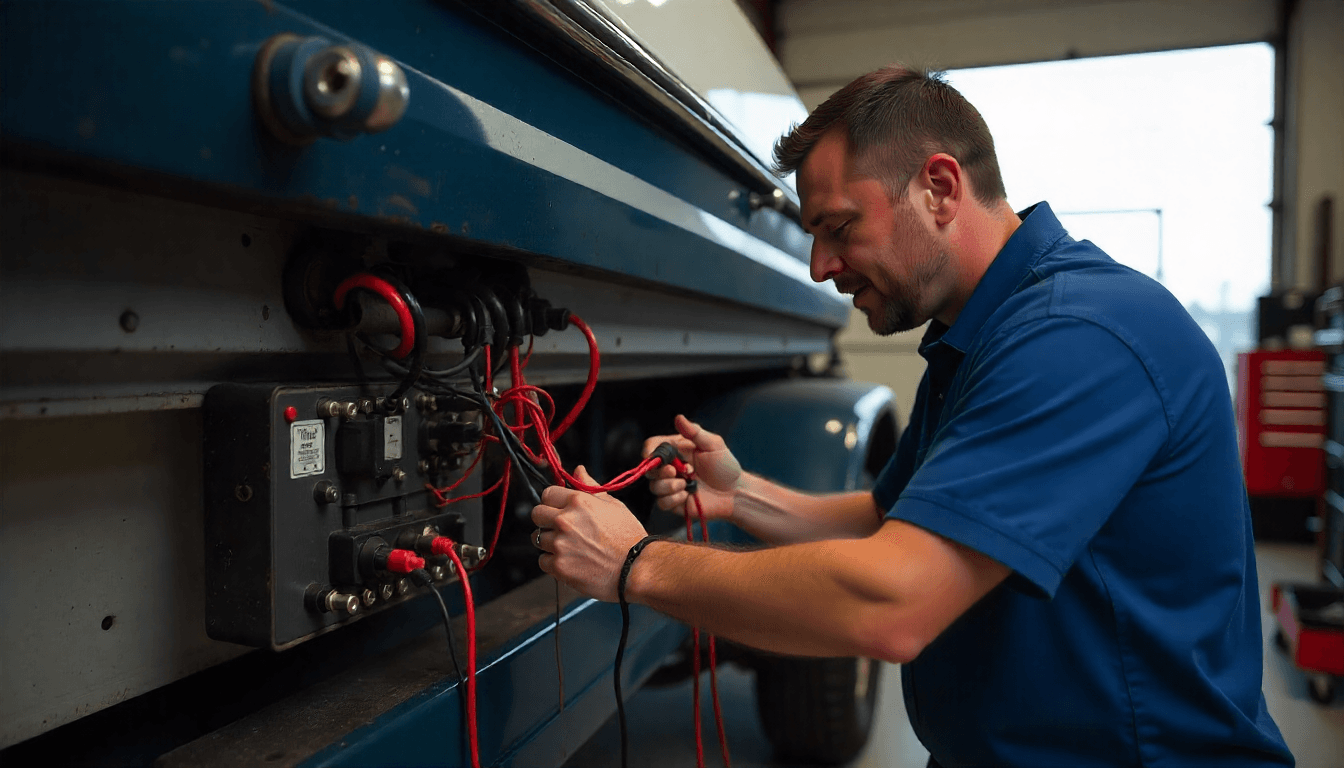
Owning a boat brings real responsibilities along with the enjoyment. The electrical system runs lights, pumps, radios, and navigation gear, and problems here can leave you without power when it matters. This guide covers the main points of boat wiring, from basic components to safe habits that reduce risks like shorts or corrosion.
Why Boat Wiring Matters for Everyday Use
Electrical issues on boats often show up as dead batteries, flickering lights, or equipment that stops working mid-trip. These problems usually trace back to loose connections, undersized wires, or exposure to moisture. A clear understanding of how power moves through the system helps owners spot trouble early and keep everything running. Many boaters handle simple checks themselves once they know what to look for, though complex work still calls for a marine electrician.
Core Parts of a Marine Electrical System
Most setups start with one or more deep-cycle batteries that handle repeated charge and discharge cycles. These differ from car batteries because they deliver steady power over longer periods. Terminals must stay tight, and every positive wire leaving the battery needs proper fusing to limit current if a short occurs.
📚 You may also like
Marine-grade wire stands up better than standard automotive wire because its insulation resists water and its strands handle constant movement. Choosing the right gauge matters: too small and the wire heats up under load. Color coding helps during installation, with red typically used for positive runs and black for negative or ground.
Switches, fuses, and circuit breakers divide the system into separate circuits. Without these, one fault can damage multiple devices or create a fire risk. Breakers that can be reset offer convenience over one-time fuses in many cases.
Planning and Running Wires During Installation
Before adding or replacing wiring, a simple diagram of the layout prevents later confusion. Mark battery locations, switch panels, and the paths wires will follow. Keep runs as short as practical to limit voltage drop, and secure wires every few inches with clamps so vibration does not wear through insulation.
Route wires away from engine heat, sharp edges, and moving parts. Protective tubing or conduit adds another layer of safety in tight spaces. When passing through bulkheads, use grommets to avoid chafing. Testing each circuit after installation confirms that voltage reaches the end without unexpected losses.
Preventing Corrosion and Maintaining Grounding
Salt air and humidity speed up corrosion on terminals and connectors. Dielectric grease and heat-shrink tubing slow this process. Checking for green or white powder on connections during routine inspections catches problems before they spread inside the wire.
Proper grounding ties all negative returns to a common point, usually on the engine or a dedicated bus bar. This reduces stray current that can eat away at metal parts underwater. Boats with multiple batteries also benefit from a battery isolation switch so one bank can be serviced while the other remains in use.
Common Mistakes and How to Avoid Them
Using household extension cords or cheap connectors for permanent installs often leads to failures within a season. Another frequent error is overloading a single circuit without adding a sub-panel. Owners who keep a simple log of battery voltage readings and recent additions to the system find issues faster than those who wait for a breakdown.
Professional help makes sense for anything involving the main battery bank or inverter installs. For those planning to charter through GetBoat, asking about recent electrical service records gives useful insight into how well the boat has been maintained.
Frequently Asked Questions
How often should wiring be inspected on a boat?
A visual check of accessible connections and wires every few months catches most developing problems. A more thorough inspection, including voltage drop tests on main circuits, is worth doing at the start and end of each season.
What wire type works best in a marine setting?
Tinned marine-grade wire with stranded conductors resists corrosion far better than untinned or solid wire. The insulation should be rated for wet locations and sunlight exposure if runs are on deck.
Can an owner safely add a new circuit themselves?
Simple additions like an extra cabin light are often manageable with basic tools and a wiring diagram. Anything that ties into the main battery bank or involves an inverter is better left to someone experienced with marine standards.


