Boat Engine Maintenance Tips – Preventing Costly Repairs

Founder, TheThinksters.com
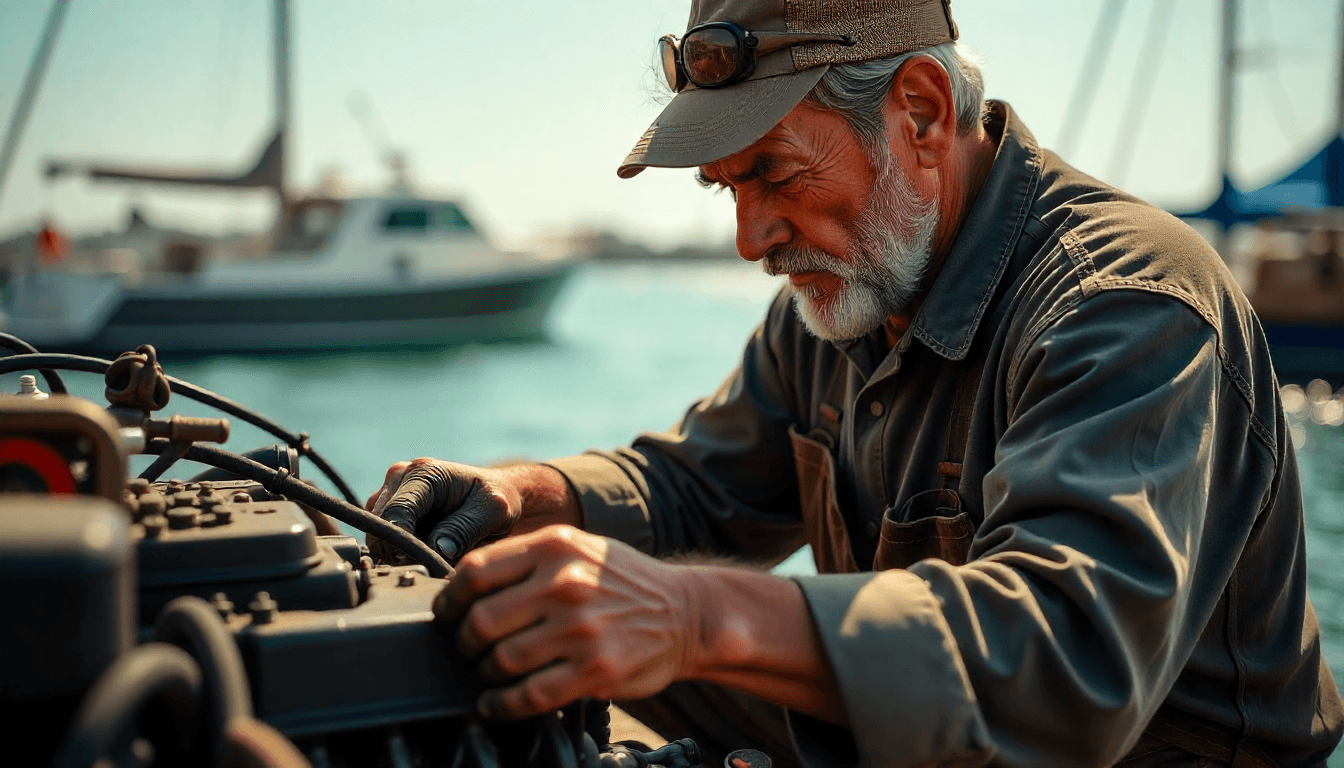
Owning a boat brings freedom, adventure, and endless opportunities for exploration, but with this enjoyment comes responsibility. Boat engine maintenance tips are crucial for keeping your vessel in peak condition and avoiding expensive breakdowns. Just as a car requires regular care, so too does a boat engine, which operates under unique stressors like saltwater, humidity, and heavy loads. Neglecting routine maintenance can result in costly repairs, reduced performance, and in worst cases, being stranded far from shore.
This guide explores essential steps every boat owner should take to extend the life of their engines, save money, and ensure peace of mind while on the water.
Why Boat Engine Maintenance Tips Matter
Engines are the beating heart of any vessel. Without reliable performance, your boat can’t provide safe or enjoyable trips. Unlike cars, engines in boats often run at higher RPMs for longer periods and face constant exposure to water. That means regular checks and proper care aren’t optional—they are required maintenance.
📚 You may also like
By following maintenance tips consistently, you will reduce the likelihood of mechanical failure, extend the lifespan of your boat engines, and maintain strong resale value. Preventive care is always more affordable than emergency repairs.
Understanding Your Engine: The Basics
Every boat owner needs to know the type of engine their vessel uses. While some boats rely on inboard models, many recreational craft operate with outboard engine systems. Outboard boat engines are popular because they’re easy to service, lightweight, and provide excellent maneuverability.
Knowing whether you have a two-stroke or four-stroke outboard engine, or an inboard system, will help you follow the correct service schedule. Always check the manual to confirm specific maintenance intervals and recommended parts.
Routine Checks for All Boat Engines
Regardless of the type of motor, there are universal steps in engine maintenance that apply across the board:
Oil and Oil Filter Changes
Oil is the lifeblood of any engine. It lubricates moving parts, prevents overheating, and reduces wear. Marine engines need oil changes more frequently than cars due to harsh operating conditions. Always replace the oil filter alongside fresh oil to keep the system clean.
A good practice is to change oil every 100 hours of operation or at least once per season. Neglecting oil service allows debris and sludge to build up, which may cause significant engine damage.
Fuel System Care
Fuel issues are one of the leading causes of engine failure. Ethanol-blended fuel attracts water, leading to corrosion inside the tank. To avoid problems, stabilize fuel when storing your boat for extended periods, replace filters regularly, and check for leaks.
Cooling System and Water Pump
The water pump ensures your engine stays cool by circulating water. A damaged impeller can cause overheating, which quickly ruins components. Inspect the pump every season, and replace parts when necessary. Regular flushing with clean water, especially after saltwater boating, also keeps corrosion in check.
Spark Plugs and Electrical Systems
Spark plugs ignite fuel and play a vital role in smooth operation. Worn plugs lead to poor performance, hard starts, and higher fuel consumption. Check and replace spark plugs as outlined in your manual. Additionally, inspect the battery, connections, and wiring to avoid electrical failures.
Boat Engine Maintenance Tips for Outboards
Because many recreational vessels use outboard boat engines, let’s take a closer look at key steps specific to their care.
Check the Lower Unit Oil
The lower unit houses gears and bearings essential to power transfer. Draining and replacing lower unit oil at least once a season is essential. Milky oil indicates water intrusion, a sign of worn seals that need repair. Catching this early prevents catastrophic damage to the gearcase.
Inspect the Prop Shaft
Remove the propeller and check the prop shaft for fishing line or debris wrapped around it. Fishing line can cut into seals, allowing water into the lower unit. Apply grease before reinstalling the prop to prevent corrosion and make removal easier next time.
Pay Attention to the Water Pump
As mentioned earlier, the water pump is a critical component. Replacing the impeller every two to three years, depending on usage, is wise. A failing pump leads to overheating and potential engine failure.
Seasonal Boat Engine Maintenance Tips
Spring Preparation
Before launching for the season, perform a comprehensive check. Change oil, replace filters, inspect the fuel system, and test electrical connections. Making sure everything is in working order avoids unpleasant surprises once you’re on the water.
In-Season Care
During the boating season, quick checks every outing keep your engine healthy. Look for leaks, check fluid levels, and listen for unusual noises. Even 10 minutes of inspection can catch issues early.
Winterization
When storing your boat for winter, drain fuel lines, stabilize fuel, change oil, and fog the engine. This prevents rust and corrosion during long periods of inactivity. Storing your boat properly ensures a smooth start the following spring.
Maintenance Tips for Inboard Engines
Inboard systems require many of the same checks, but additional attention is needed for exhaust manifolds, belts, and shafts. Make sure belts are tight and in good condition, as worn belts may fail without warning. Exhaust manifolds should be inspected for rust, as saltwater boats are especially vulnerable.
Advanced Boat Engine Maintenance Tips
Using Quality Oil and Parts
Always choose marine-specific oil and filters. Automotive products are not designed for high-humidity marine environments. Using proper oil reduces wear and keeps your engine running smoothly.
Monitoring Maintenance Intervals
Set reminders for routine service based on operating hours or seasons. Following maintenance intervals helps prevent skipped tasks that may result in damage.
Making Sure You Use a Service Center
While many tasks are easy for owners, some jobs require professional attention. A certified service center can handle complex repairs and ensure warranty compliance.
Troubleshooting Common Issues
Even with diligent care, problems may arise.
- Hard starts: Check spark plugs, battery, and fuel system.
- Overheating: Inspect the water pump, cooling passages, and water intake.
- Loss of power: Fuel contamination, clogged filters, or prop damage may be the cause.
Addressing issues quickly prevents further damage and keeps downtime minimal.
The Role of Proper Storage in Maintenance
Where and how you store your boat greatly impacts longevity. Storing in a dry, covered location is ideal. If keeping your boat in the water, invest in anti-fouling coatings to reduce marine growth. Always flush outboard engines with fresh water after saltwater use.
Key Takeaways
Boat engine maintenance tips are not just recommendations; they’re essential practices for protecting your investment. By paying attention to oil, fuel, cooling, and electrical systems, you can keep your boat reliable for years. Whether caring for inboard systems or outboard engines, making sure each step is done on time saves money and prevents stress.
Preventive maintenance may feel like a chore, but it ultimately provides peace of mind and allows you to enjoy boating without unexpected breakdowns.


