Best Marinas in New Jersey: Your Ultimate Guide to Boating
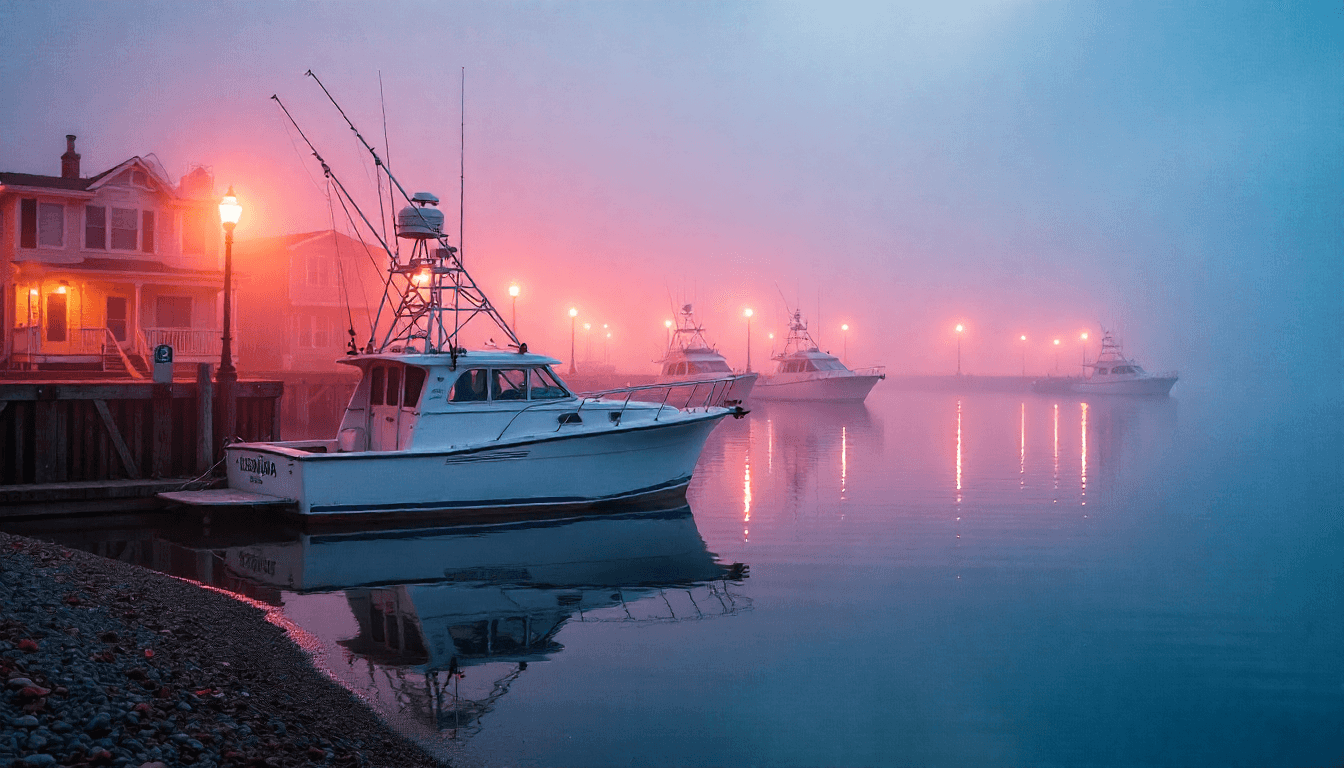
New Jersey’s coastline gives boaters a mix of ocean access, protected bays, and river routes that stay usable for most of the year. Marinas here range from small family-run yards to larger facilities with haul-out equipment and on-site technicians. The choice often comes down to how close you want to be to open water, what storage you need, and whether you prefer a quiet dock or one with restaurants and fuel on site.
Why boaters pick New Jersey marinas
Many owners value the state’s position between New York Harbor and Delaware Bay. This lets them reach both urban waterfronts and quieter inlets without long offshore runs. Good marinas usually sit near highways or bridges, which shortens the drive when you need to load gear or meet contractors. Transient slips are common enough that weekend visitors can often find a spot for a night or two, though popular spots fill faster in summer. Long-term wet or dry storage is also widely available, and some yards allow owners to live aboard for limited periods.
Northern New Jersey facilities
Marinas north of Sandy Hook tend to serve boaters who want quick runs toward Manhattan or the Hudson. They sit in more developed areas, so fuel, pump-out, and basic repairs are usually within walking distance. The trade-off is higher traffic on summer weekends and tighter spacing between slips. If you keep a boat here, you can reach the Atlantic in under an hour on a calm day, but you should check bridge schedules ahead of time.
📚 You may also like
Central coast and southern options
From roughly Point Pleasant down to Cape May, marinas often sit along the Intracoastal Waterway or inside barrier-island bays. These locations give easier access to beaches and calmer water for smaller boats. Family-oriented yards here frequently offer both wet slips and rack storage, plus dinghy docks and picnic areas. Further south, facilities near Atlantic City and Cape May handle more transient traffic because they sit at natural turning points for coastal trips. Pump-out service and haul-out lifts are standard at most of these yards.
Services that matter day to day
A useful marina keeps your boat ready without extra trips ashore. Look for on-site mechanics who handle routine engine work and fiberglass repairs, a fuel dock that stays open after normal business hours, and a small store for filters, lines, and zincs. Showers and laundry save time on longer stays, while Wi-Fi and a lounge make it easier to work or wait out weather. Some yards also run seasonal haul-and-launch schedules so owners can avoid winter ice damage without arranging transport themselves.
Choosing a spot that fits your routine
Start by matching the marina’s location to the waters you use most. If you fish offshore, a spot with a short run to an inlet saves fuel and time. If you mostly cruise protected bays, a quieter inland dock may be more comfortable. Next, ask about slip availability for your boat’s beam and draft; popular yards keep waiting lists. Finally, visit on a weekday and talk with other owners about how responsive the staff is when a problem comes up. A short conversation often reveals more than a brochure.
Frequently Asked Questions
How far in advance should I reserve a transient slip in New Jersey?
Weekends from Memorial Day through Labor Day fill first. Calling two to four weeks ahead is usually enough for most marinas, but holiday weekends or big events can require earlier notice. Smaller yards sometimes take same-week requests if space opens up.
Do New Jersey marinas allow liveaboard stays?
Many permit it for a set number of nights per month, often with extra fees for pump-out and electricity. Rules vary by town and facility, so ask directly rather than assume. Long-term liveaboard arrangements are less common than in some other states.
What should I check before signing a seasonal contract?
Read the fine print on haul-out dates, winter storage location, and what happens if you need emergency repairs. Confirm whether the contract covers environmental fees or liability insurance requirements. A quick walk around the yard during a busy afternoon will also show how well the docks and equipment are maintained.