New England Yacht Charter 2026: Best Routes, Costs & Top Vessels
GetBoat Blog

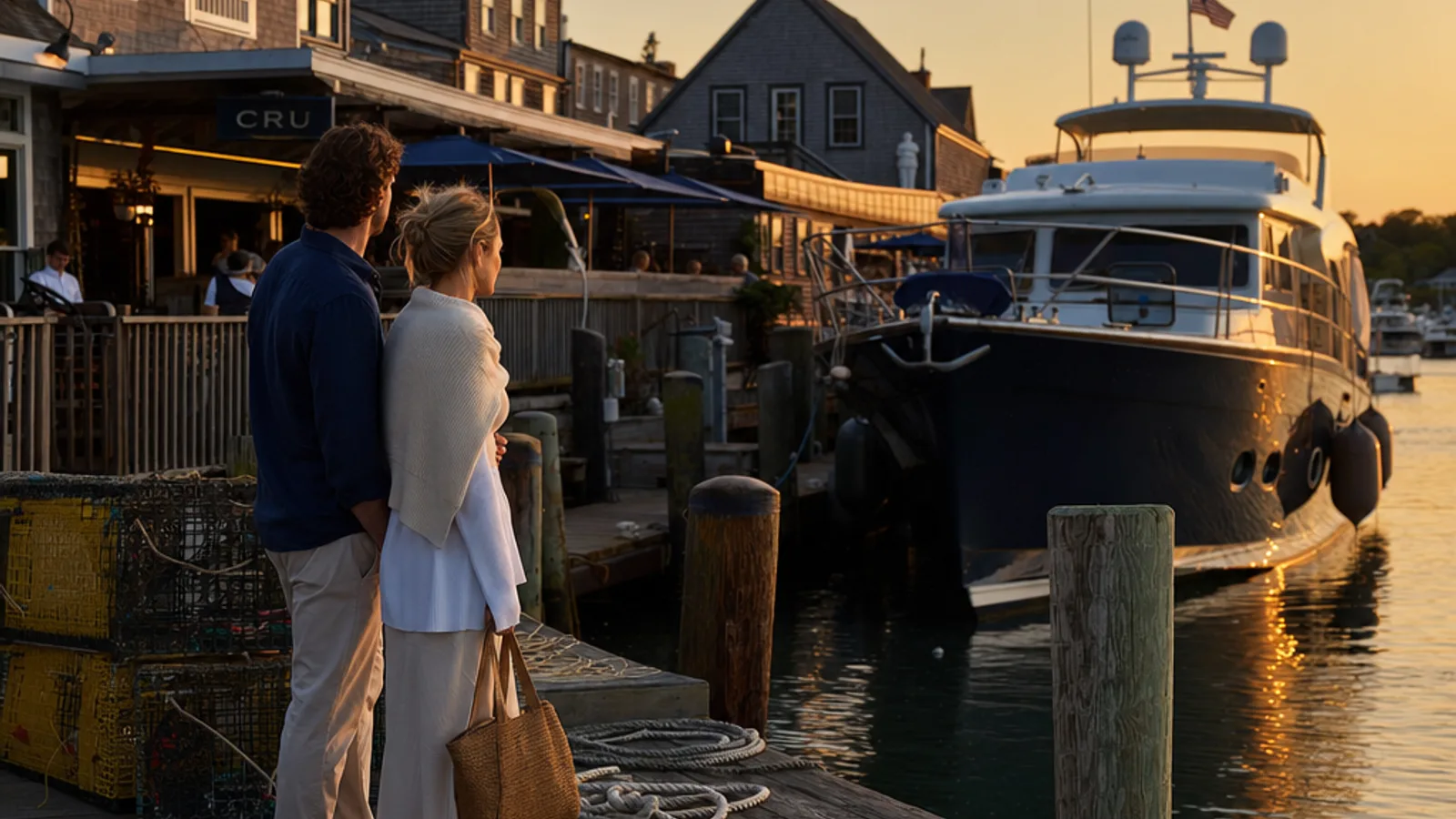
A New England yacht charter in 2026 puts you on some of the most storied cruising waters on the East Coast, with weekly rates starting around $60,000 and stretching past $275,000 for flagship superyachts. The season runs from June through early October, with July and August delivering the warmest sea temperatures — typically reaching the low-to-mid 20s°C — and reliable summer southwesterlies that make coastal passages genuinely enjoyable. Whether you want lobster-shack anchorages in Maine or the glamour of Nantucket's cobblestone streets, the region rewards careful planning and early booking.
Why New England in 2026?
Few cruising grounds on the planet combine history, gastronomy, and sheer scenic variety the way New England does. According to Yacht.com, distances between ports are short — daily runs typically cover just 20 to 60 nautical miles — meaning you spend less time passage-making and more time exploring walkable harbor towns. Fresh lobster, clam chowder, and fish straight off the dock are as much a part of the experience as the sailing itself. The region's glacially carved coastline, particularly along the Maine shore, is unlike anywhere else in American waters.
YachtCharterFleet notes that New England is an ideal destination for summer 2026, with a strong selection of crewed luxury yachts now accepting bookings across the full season window.
📚 You may also like
The Classic New England Itinerary
Most charters depart from Newport, Rhode Island — the undisputed yachting capital of the United States, home to the America's Cup for five decades. From Newport, the standard southern New England loop unfolds naturally northeastward. Yacht.com outlines the key stops:
- Newport → Block Island: An easy first leg with strong marina infrastructure and open-ocean feel in a sheltered setting.
- Block Island → Martha's Vineyard: Protected cruising with scenic anchorages and rolling farmland meeting rocky shoreline.
- Martha's Vineyard → Nantucket: Iconic island-hopping with strong currents to monitor; cobblestone streets and long Atlantic beaches await.
- Nantucket → Cape Cod & Provincetown: Some of the best beaches in New England, plus a culture entirely their own at the tip of the cape.
- Boston: Dock at Charlestown Marina in the historic Navy Yard, steps from the USS Constitution and the city's extraordinary colonial waterfront.
- Maine — Bar Harbor, Acadia & Penobscot Bay: Hundreds of unspoiled islands and a rocky coastline carved by glaciers, offering some of the most dramatic sailing in the Northeast.
According to Yachtr, most New England cruising itineraries range from one to three weeks depending on stops and weather windows, making a 7- or 10-night charter the sweet spot for first-time visitors to the region.
Planning Essentials: Timing, Marinas & Costs
When to Book
Yachtr advises securing slip and mooring reservations three to six months in advance, particularly for vessels over 50 feet. Berthing availability is highly competitive on the islands — Nantucket Boat Basin and Martha's Vineyard moorings fill quickly — and transient slips are often restricted to one to three nights. Failing to reserve early is one of the most common mistakes charterers make in this region.
- May–June: Shoulder season; cooler temperatures, lighter marina congestion, better availability.
- July–August: Peak summer cruising; full harbors, festivals, and the classic New England experience — plan well ahead.
- September: Excellent weather, fewer crowds, and prime cruising conditions — an underrated window.
Draft and Tidal Considerations
Yachtr highlights that owners and charterers should confirm draft limitations and fueling access before arrival, as many historic harbors are shallow and tidal. A yacht with a shallower draft opens up significantly more anchorage options throughout the region.
What Does a New England Yacht Charter Cost in 2026?
Charter rates vary widely by vessel size and specification. Based on current listings, the following ranges apply for crewed weekly charters plus expenses:
- Motor yachts ~28–35m: From approximately $60,000–$90,000 per week
- Superyachts 50m+: From approximately $275,000 per week
Expenses — including fuel, provisioning, dockage, and crew gratuity — typically add 25–35% on top of the base rate. Peak-season dockage premiums in July and August, especially on the islands, should be factored into your Advanced Provisioning Allowance (APA) from the outset.
Top Vessels Available for New England 2026
YachtCharterFleet highlights several standout yachts currently accepting New England bookings for summer 2026:
Lady Beth — 55m Newcastle, 2011
From $275,000 per week plus expenses, Lady Beth is the flagship option for groups seeking superyacht standards. Her six-cabin layout accommodates up to 12 guests, with a pool, panoramic deck lounges, and an extensive watersports toy collection. YachtCharterFleet describes her charter experience as rivalling elite global superyacht benchmarks.
Laila — 27m Sanlorenzo, 2024
From $90,000 per week plus expenses, Laila is a brand-new 2024 Sanlorenzo — an ideal choice for smaller groups wanting contemporary Italian design and the latest onboard technology in a nimble, island-friendly package.
Namastay — 35m Lazzara Yachts, 2009
From $75,000 per week plus expenses, Namastay offers a mid-range superyacht experience with the volume and range to cover the full New England coast comfortably.
Virginia Sea — 92ft Marlow, 2026 Season
From $60,000 per week plus expenses, Virginia Sea operates in the Northeast from June through mid-October 2026. BR Marine Group notes that her shallow draft and confident seakeeping make her particularly well-suited for the variety of conditions the Northeast presents — from protected harbors to open Sound passages. Her itinerary covers Newport, Nantucket, Martha's Vineyard, Block Island, the Hamptons, Maine, and even New York Harbor.
Chasseur
Also highlighted by YachtCharterFleet as one of the five standout vessels for New England summer 2026, Chasseur rounds out a strong selection of crewed yachts available across the season.
Practical Tips for First-Time New England Charterers
- Book early: The best vessels and the most coveted berths — particularly in Nantucket and Martha's Vineyard — are reserved months ahead of peak season.
- Stay flexible: Yachtr emphasizes that planning rigid schedules during busy summer weeks is a common mistake. Build weather windows into your itinerary.
- Prioritize September: If your schedule allows, the post-peak window offers excellent conditions with far less competition for slips and moorings.
- Match draft to itinerary: Discuss your intended stops with your charter broker before selecting a vessel — draft limitations can restrict access to some of the region's most charming historic harbors.
- Budget for APA generously: Fuel costs, premium island dockage, and fresh provisioning in peak season add up quickly. IYC recommends working with a broker to build a realistic APA estimate before signing.
Frequently Asked Questions
When is the best time for a New England yacht charter in 2026?
July and August offer the warmest water temperatures and the full festival calendar, but September is increasingly popular among experienced charterers for its excellent weather, reduced crowds, and better marina availability. Yacht.com notes that the charter season runs from June through early October.
What is the minimum budget for a crewed New England yacht charter in 2026?
Based on current listings, crewed weekly charters start at around $60,000 per week plus expenses. Adding a realistic APA of 25–35% brings the all-in weekly budget to approximately $75,000–$80,000 at the entry level.
Where do most New England charters start?
Newport, Rhode Island is the primary charter base, with Boston and Portland also serving as departure points. Yacht.com describes Newport as the undisputed yachting capital of the United States and the natural gateway to the southern New England island loop.
How far in advance should I book?
Yachtr recommends securing your yacht and marina reservations three to six months ahead of your intended travel dates, especially for July and August departures on vessels over 50 feet.