News
Seven-Day Sailing Route Around Elba and Tuscany
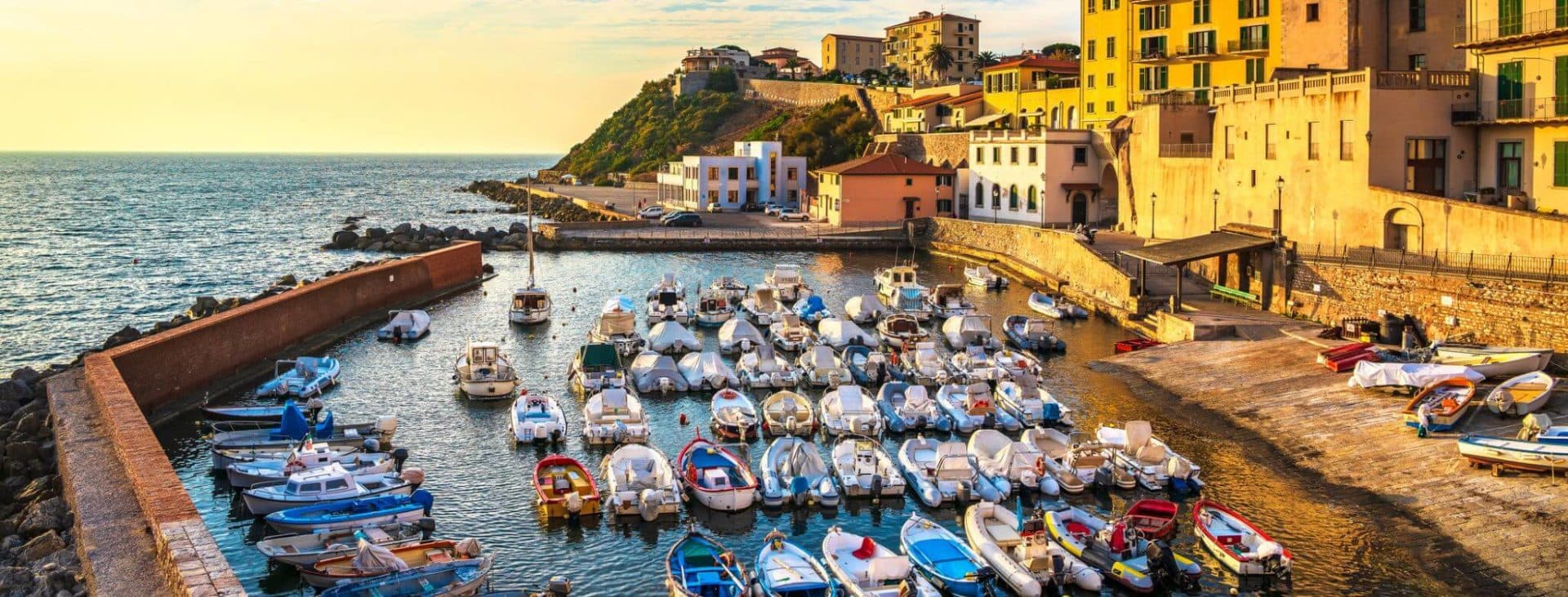
The one-week coastal passage covers roughly 110–120 nautical miles, with primary embarkation points at Marina Punta Ala or Piombino, and daily legs averaging 11–22 NM.
5 min·
The one-week coastal passage covers roughly 110–120 nautical miles, with primary embarkation points at Marina Punta Ala or Piombino, and daily legs averaging 11–22 NM.
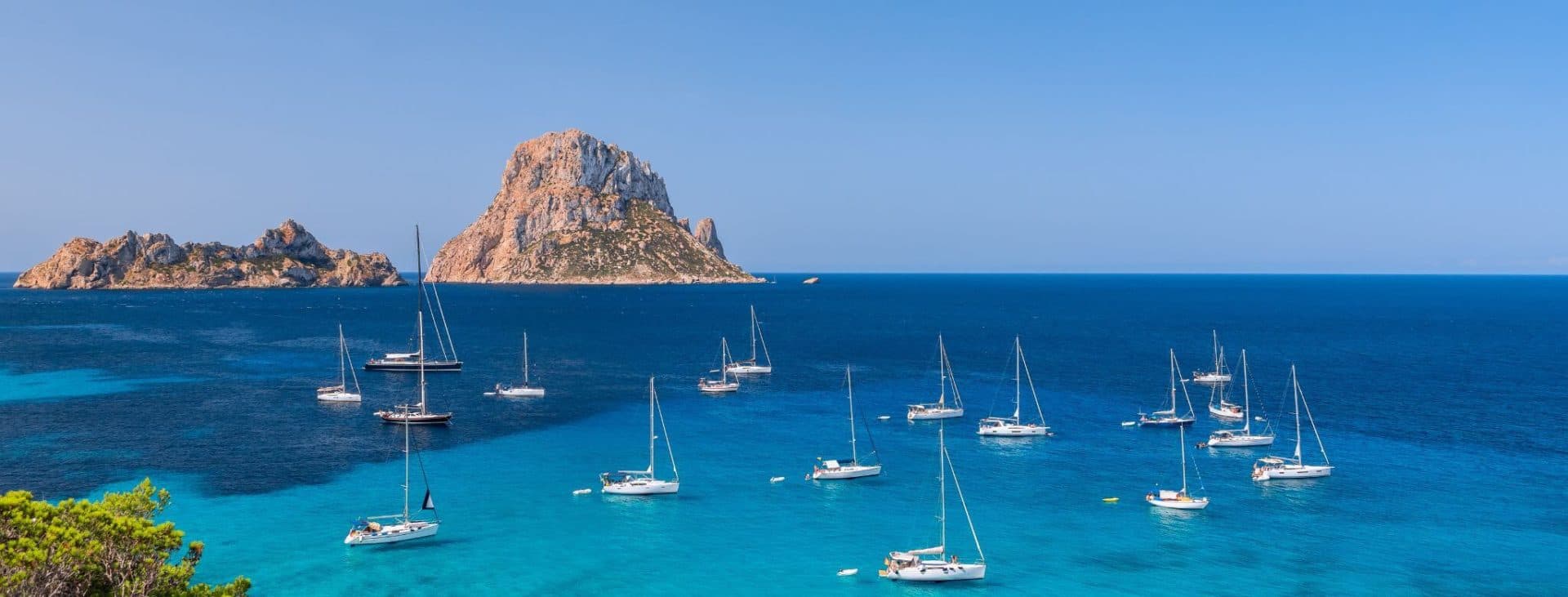
Port d'Eivissa (Marina d'Eivissa) is the primary embarkation point for this itinerary; plan provisioning and waste disposal there, expect seasonal berthing fees and peak-season arrival windows, and allow fuel and water top-ups in both Eivissa and La Savina to cover the week’s consumption.
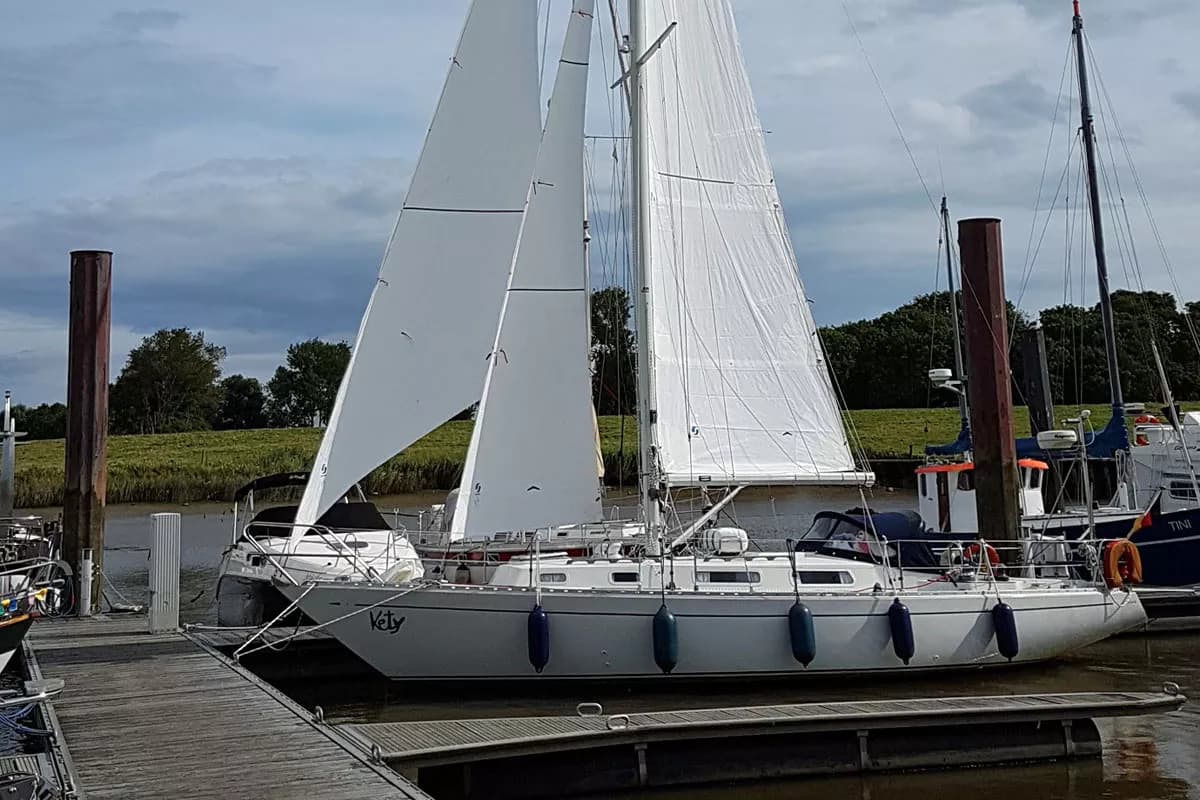
The Olson 35 requires a minimum berth footprint of approximately 34'8" LOA by 11'3" beam and a alongside depth near 6'3" (1.91 m) draft; its 4,763 kg displacement and 1,928 kg ballast mean marina berthing fees, launching crane limits and road transport permits must be planned accordingly when moving the hull between yards or seeking winter storage ashore.
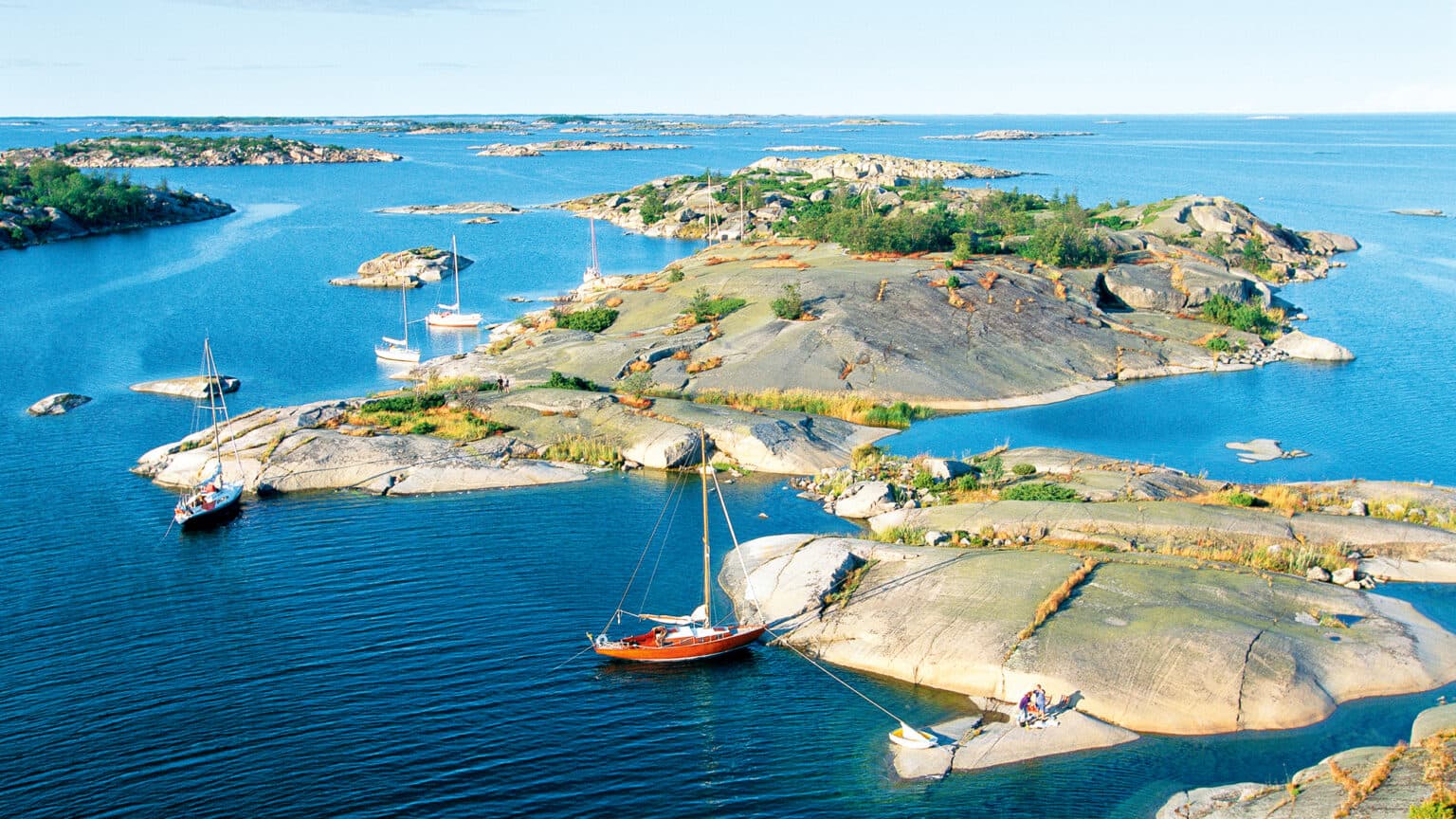
Stern-to mooring, a webbing reel with snap hook, and a stout stern anchor are standard practice in the Stockholm Archipelago; cruisers should also carry a bag of bergskils, long shore lines, and a heavy-duty shore-power cable because bollards and electricity points are often far from the tying position.
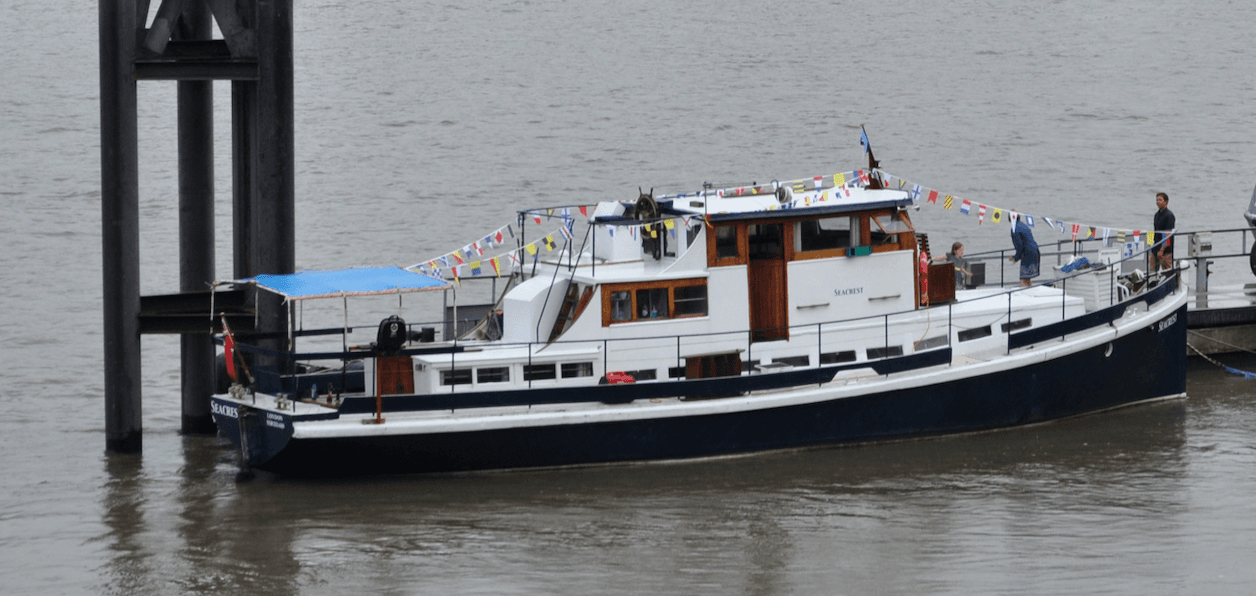
Listed at £75,000 and moored opposite Kew Gardens in Brentford, M.V.

A vessel with a beam exceeding typical marina slips often incurs higher berth charges and may be refused passage through locks; for example, many Mediterranean marinas price berths by width and catamarans commonly pay surcharges for occupying two spaces.
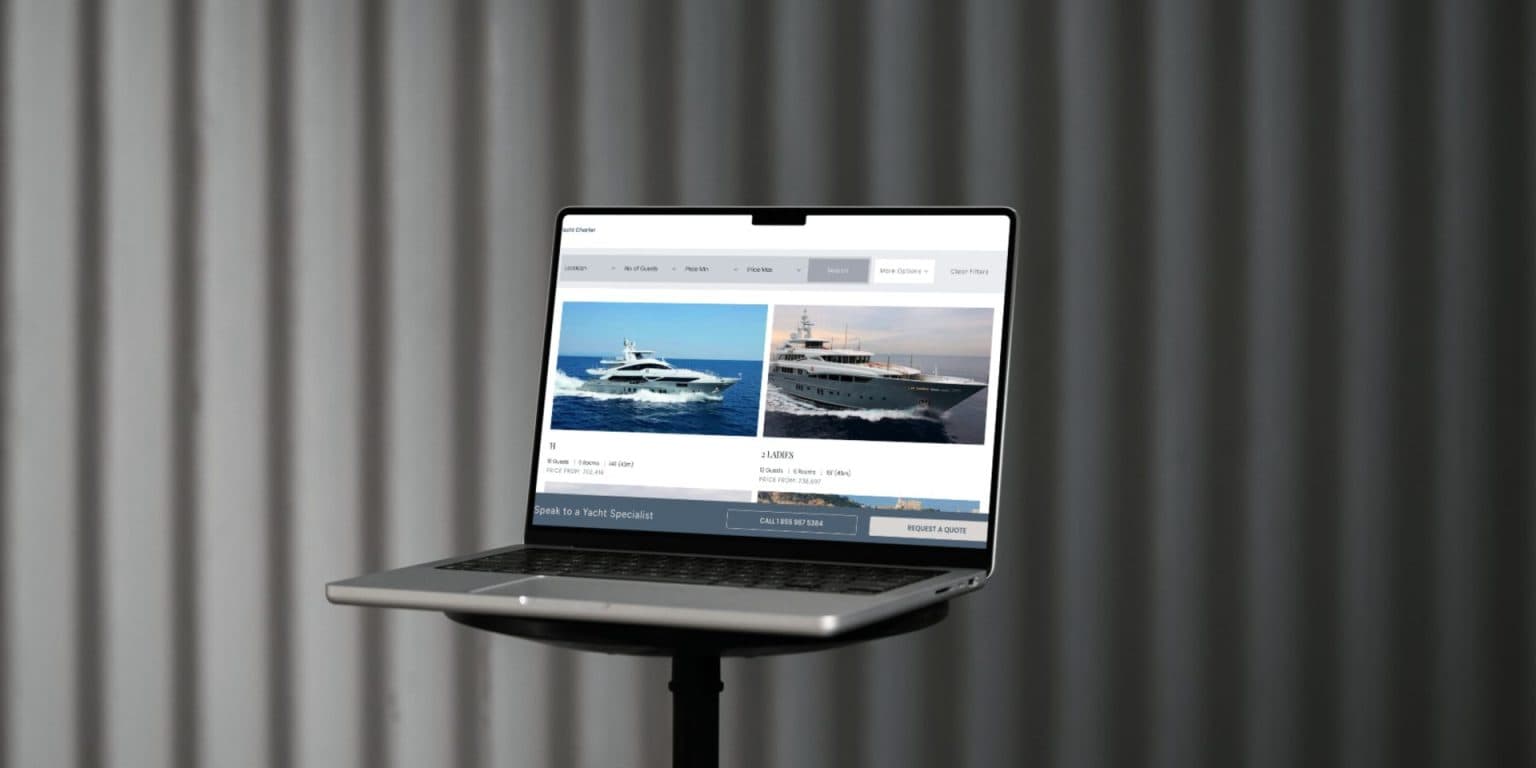
Search and discovery systems increasingly rely on machine-readable supply-chain signals such as vessel specifications, marina berth availability, maintenance logs, and charter calendar feeds to determine which yachts to recommend.
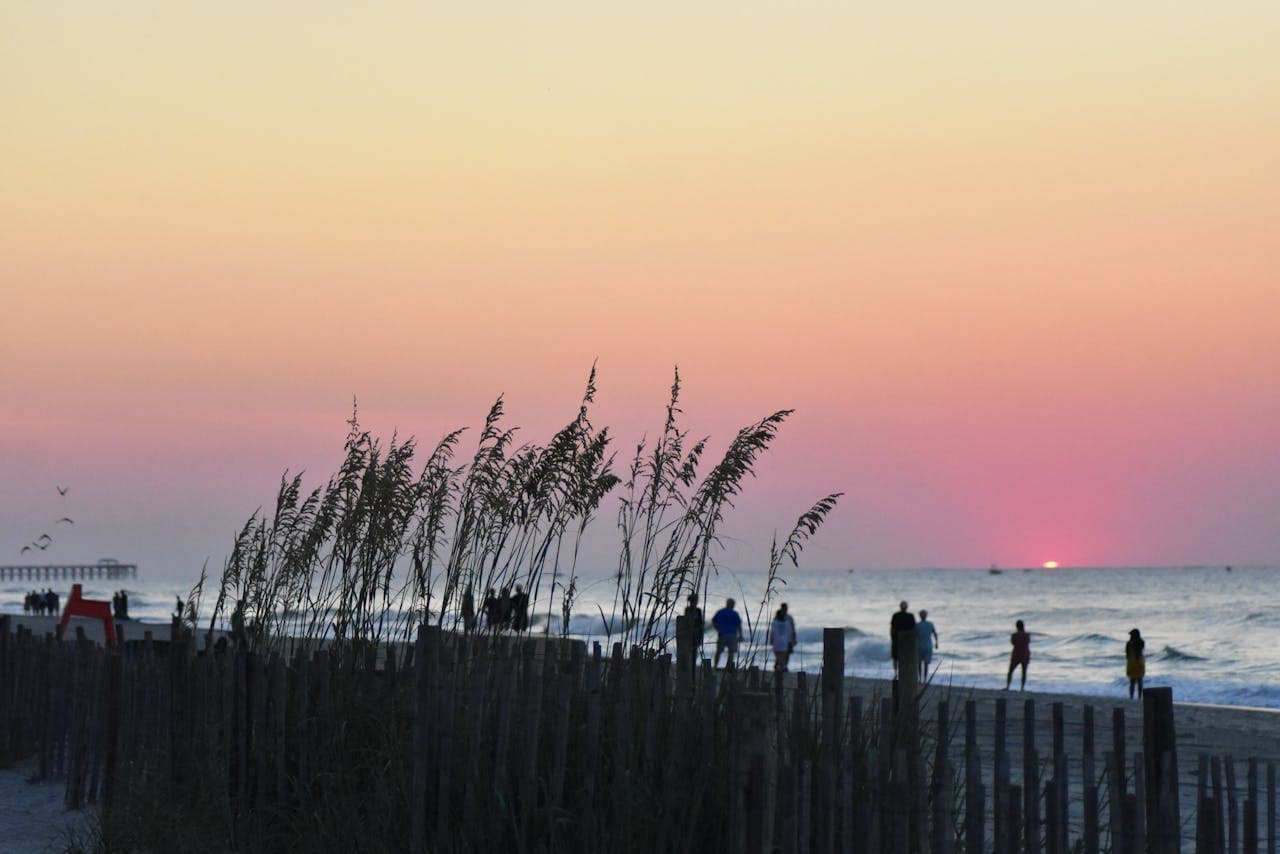
Charleston Harbor’s serviceable fuel docks, channel depths, and marina support make day runs to the Gulf Stream—roughly 60–80 miles offshore—feasible, but mariners should plan for 120–160 nautical mile round trips, factor in reserve fuel, and confirm dockside services and bridge clearances before departing.
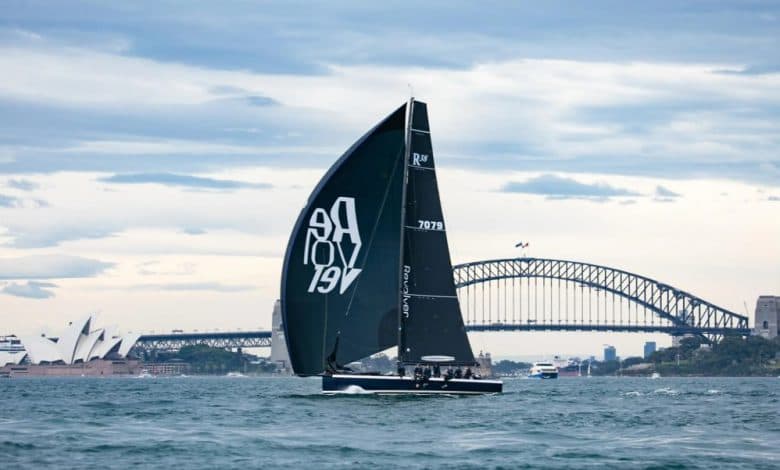
Race organisers for the Pallas Capital Gold Cup 2026 must adapt harbour logistics, dockside allocation and starting sequences to accommodate mixed fleets of TP52 and Super 40 yachts running under distinct scoring protocols, while integrating a new handicap equalisation system intended to balance performance across asymmetrical-spinnaker boats ranging roughly 36–46 feet.
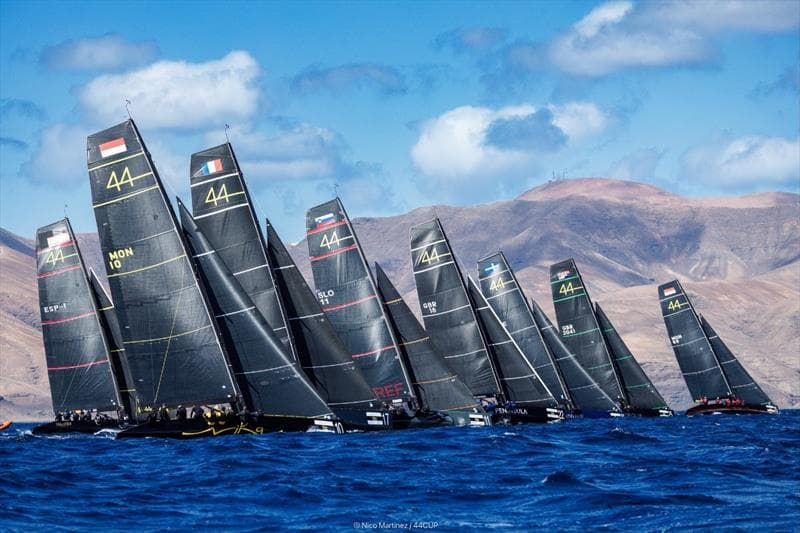
Puerto Calero will host the 44Cup Calero Marinas event from 4–8 February 2026 with on-water racing scheduled 5–8 February and a practice day on 4 February, bringing a focused demand for berthing, shore-side support and race logistics from Calero Marinas’ operations across the Canary Islands.
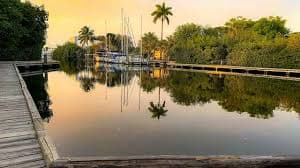
Old Dixie Highway (SRA1A) and the Florida East Coast Railroad tracks physically bisect Port Salerno, while local marinas such as Pirate’s Cove provide a combined capacity of wet slips and rack storage—Pirate’s Cove alone lists 50 wet slips up to 90' and full-service amenities that support transient and resident boats alike.
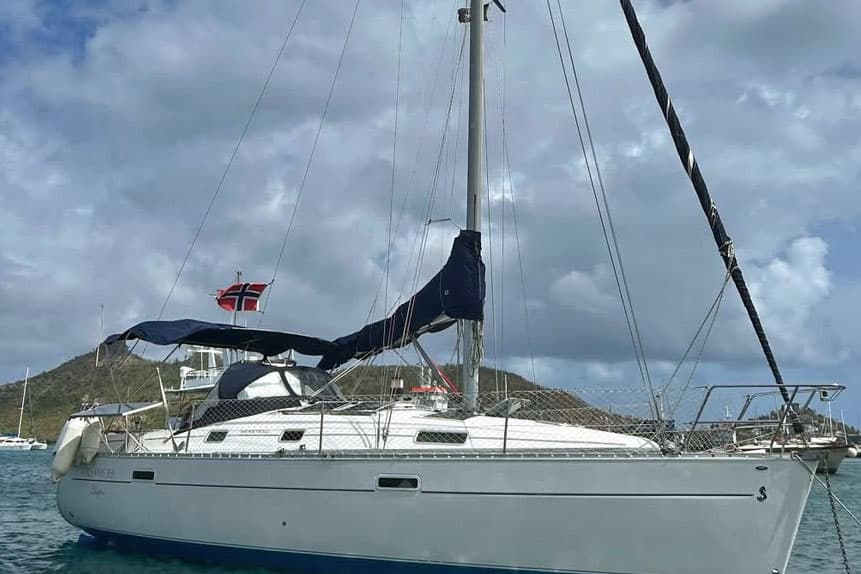
Marina access and berth logistics for the Beneteau Oceanis 331 Clipper are straightforward: with a standard draft of 5'3" (1.60m) most deep-water slips are suitable, while the centreboard variant reduces draft to 2'11" (0.90m) allowing entry to shallow estuaries, drying berths, and tidal harbours where docking fees and slip availability are constrained by depth.