How to Use Sawdust to Stem Leaks on Wooden Boats

Founder, TheThinksters.com
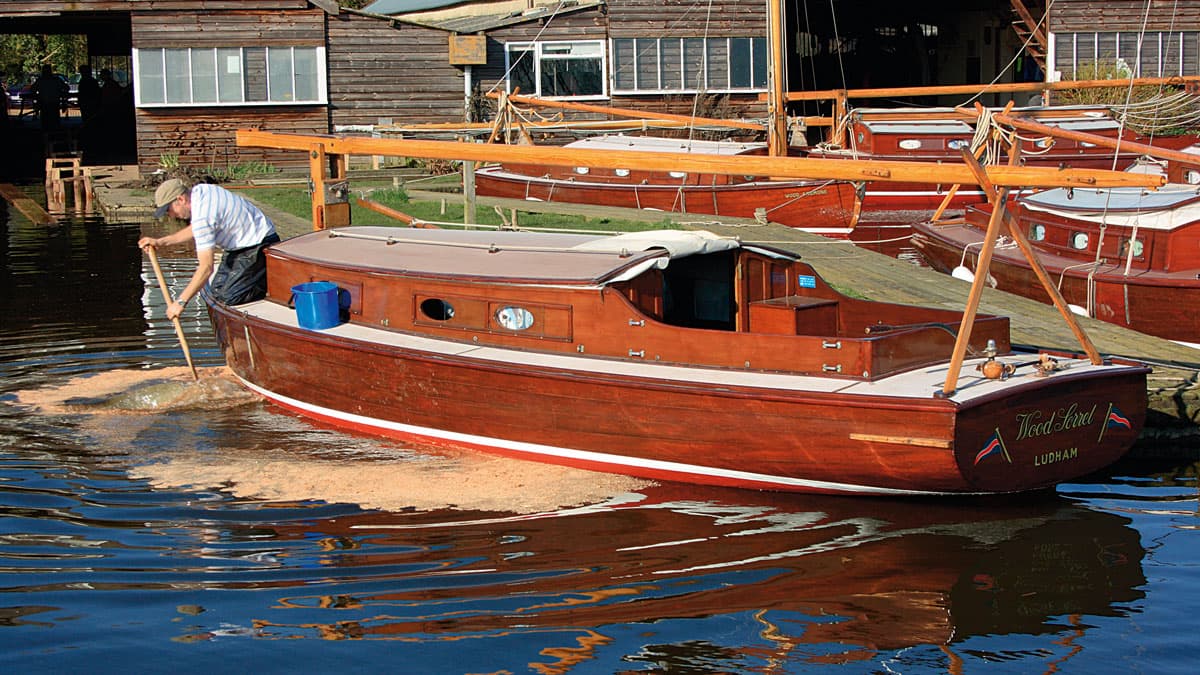
At busy haul-out yards where launch slots are scheduled by the hour, wooden launches commonly require post-launch monitoring because plank contraction can produce seepage rates of 5–30 litres per hour, forcing operators to allocate slings or trailer space for an extra 24–48 hours and to keep an automatic bilge pump on standby.
What causes post-launch leaks and how sawdust helps
When a wooden hull is ashore, its planking loses moisture and contracts; on relaunch the resulting gaps allow water to flow between planks until the wood has taken up (swelled) again. That temporary seepage is usually predictable and manageable, but it can complicate launch logistics, tying up strops or consuming power at marinas that charge for pump use. Sawdust can be used as a rapid, temporary plug: fine particles are drawn into the leak by the suction created by water flow and form a clot that reduces inflow while the planks regain moisture.
When to use sawdust versus waiting in the slings
Reserve sawdust techniques for cases where the leak is clearly from natural plank contraction rather than structural failure. If you can confirm that caulked new planking is dry and the only leaks are from older planks, sawdust offers a quicker resolution than keeping a boat in strops. However, if the leak is steady, increasing, or accompanied by a structural creak, prioritize haul-out inspection.
📚 You may also like
Two practical methods
The two widely used approaches are the broadcast method and a targeted tin method. Both rely on relatively fine, clean sawdust and common workshop materials.
| Method | Materials | Time to form clot | Best used when |
|---|---|---|---|
| Broadcast | Fine sawdust, paddle | Minutes | Large hulls with accessible undercuts |
| Targeted (perforated can) | Perforated tin, stick, fine sawdust | 1–10 minutes | Small, localised leaks; crowded yards |
Step-by-step: Broadcast method
Use this when you can work around the hull from the water or on a slipway with limited access.
- Float a good handful of clean, fine sawdust around the hull in the target area.
- Use a paddle to push the sawdust under the hull and along the plank lines.
- Let the flow draw sawdust to the gaps; observe a reduction in bilge inflow.
- Allow at least 24 hours before making a transit to ensure planks have taken up.
Step-by-step: Targeted perforated can method
This is the approach used on the 7.9 m classic Broads motor cruiser Nipper after replacing below-water planking — it reduces time in the strops and focuses material precisely where needed.
- Prepare a perforated tin or can attached to a length of wood; fill with fine, clean sawdust free of chips or debris.
- Station someone onboard to identify the leak locations while the operator places the can beneath the suspected seam.
- When positioned, the suction created by flow through the gap draws sawdust out of the can to form a clot and stem the leak.
- Do not immediately undertake a voyage; wait for planks to swell fully.
Practical tips and safety checklist
Small details affect success rates. The checklist below helps crews act efficiently at launch.
- Use only fine sawdust: avoid large shavings that won’t seal.
- Remove contaminants: no oil, paint chips, or rubbish in the sawdust.
- Keep a working bilge pump: monitor pump cycles to ensure the clot is holding.
- Assign roles: one person to spot leaks, one to place sawdust, one to monitor bilge and safety.
- Wait to depart: leave the boat tied in slings or at the dock for at least 24 hours if possible.
Materials and expected outcomes
Boatbuilders and restorers recommend oak or mahogany planking be treated carefully; the swelling characteristics differ by species. Fine sawdust from construction offcuts or planned sanding is ideal; many yards retain clean sawdust bins for this purpose to streamline launch operations and reduce downtime.
| Wood type | Typical swelling time | Notes |
|---|---|---|
| Oak | 24–48 hours | Swells reliably but heavy; allow longer if gaps are large |
| Mahogany / Teak | 12–36 hours | Faster take-up, but still wait before long passages |
| Plywood / Marine laminates | Varies | Less prone to wide gaps; inspect caulking |
Operational benefits for marinas and charter fleets
Using sawdust reduces sling occupancy time and can speed up turnaround at marinas and charter bases. For operators of charter yachts and rental fleets, quicker return-to-service improves availability and reduces the need for emergency haul-outs. That operational flexibility has a direct impact on scheduling, crew assignments, and customer satisfaction in busy seasons.
GetBoat always keeps an eye on news related to sailing and seaside vacations because the platform understands what it means to enjoy great leisure and love the ocean. For owners and operators listing vessels on GetBoat, fast, reliable post-launch techniques such as sawdust plugging can mean fewer cancelled charters and better guest experiences; the service values freedom, energy, and the ability to choose your own course, placing no limits on a good life and letting clients find a vessel to suit their preferences, budget, and taste.
Forecast: this practical trick is unlikely to reshape global tourism, but it matters to local operators and small marinas where quick turnarounds and reduced sling time directly improve fleet availability and guest satisfaction. Start planning your next seaside adventure and make sure to book the best boat and yacht rentals with GetBoat before the opportunity sails away!
Highlights: this technique is simple, low-cost, and effective for leaks caused by natural plank contraction; knowing how and when to apply sawdust can save hours of downtime. Experiencing a new location is always a multifaceted process where one learns about the culture, nature, the indescribable palette of local colors, its rhythm of life and also the unique aspects of the service. If you are planning your next trip to the sea, you should definitely consider renting a boat (boat rentals, rent a boat, rent a yacht), as each inlet, bay, and lagoon is unique and tells you about the region just as much as the local cuisine, architecture, and language GetBoat.com
In summary, a measured sawdust application—either broadcast or targeted with a perforated can—serves as a practical interim repair to stem plank leaks while wooden hulls take up after haul-out. It reduces sling and marina congestion, protects charter schedules, and preserves safety when paired with active bilge monitoring. For owners and charterers alike, prompt handling of post-launch seepage maintains readiness for sailing, yachting, and boating activities across marinas, gulfs, lakes, and coastal destinations. GetBoat.com supports that readiness by offering transparent listings where you can view make, model, ratings and choose the right vessel for beach days, fishing trips, superyacht charters or simple day sails—providing a global, user-friendly solution for boat sale, charter and rent needs. Set your course.