TP52 Australia Welcomes Super 40 for 2026 Gold Cup

Founder, TheThinksters.com
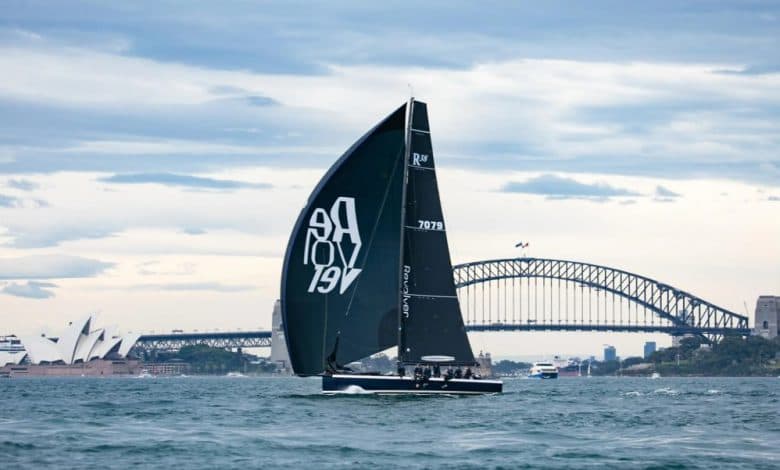
Race organisers for the Pallas Capital Gold Cup 2026 must adapt harbour logistics, dockside allocation and starting sequences to accommodate mixed fleets of TP52 and Super 40 yachts running under distinct scoring protocols, while integrating a new handicap equalisation system intended to balance performance across asymmetrical-spinnaker boats ranging roughly 36–46 feet.
Integration of two performance bands: operational and competitive implications
The decision to invite the Super 40 Class into the TP52 Australia Pallas Capital Gold Cup requires coordinated race management: shared race course design, common schedules and dockside infrastructure must support boats of different sizes and crew complements. The combined format follows an Admiral’s Cup model that pairs two rating bands inside one regatta framework, preserving class-specific rules while optimizing on-the-water interactions.
Organisers will need to manage slipway and marina berthing, tow and transport windows for overseas entries, and launch/recovery sequencing to prevent bottlenecks during Act 1 in March 2026. The move also shifts entry lists and logistics planning, given that some Super 40 teams are campaigning amateur and youth crews, while TP52 campaigns commonly include professional operators.
📚 You may also like
Rule evolution: TPR adapted and the new SuperFortyRule (SFR)
The existing TP Rating (TPR) system — already credited with delivering competitive balance in TP52 circles — is slated for adaptation to replace the Super 40 legacy PHRF handicap. In parallel, designer and handicap architect Terry Wetton has developed the SuperFortyRule (SFR), an advanced handicap equalisation framework.
SFR aims to measure deeper aspects of performance and to create incentives that reward mixed-experience crews, including greater participation by amateurs, youth and women. The principle is not to exclude professionals but to integrate their expertise with development pathways for emerging sailors through quantified performance credits and crew-composition modifiers.
Performance incentives and crew development
- Incentivised crew mix: SFR/TPR will include adjustments to encourage youth and amateur representation alongside professionals.
- Performance depth: Handicapping will attempt to capture training, optimisation and tactical execution rather than only raw boat speed.
- Pathway orientation: The revised scoring is explicitly framed as a route toward future Admiral’s Cup teams emerging from the fleet.
| Item | Detail |
|---|---|
| Event | Pallas Capital Gold Cup 2026 (TP52 Australia) |
| New Rule | SuperFortyRule (SFR) adapting TPR concepts |
| Key Designers | Terry Wetton (TPR/SFR) |
| Notable Teams | Beau Ideal, Beau Geste, Edge, Revolver |
| Sponsors | Pallas Capital, Zhik |
Fleet responses and campaign movements
Founding Super 40 proponent Mitch White has supported the class’ move to the Gold Cup framework, attracting diverse yachts built to the 36–46ft bracket with asymmetrical spinnakers. Long-time supporter Mike Ritchie (campaigning an amateur/youth team on Revolver) welcomes the revisions and expects SFR to sharpen competition while preserving the idiosyncratic character of these boats.
John Bacon is bringing his US-based Dunning44 “Edge” home to re-enter the local scene, citing the TP52 partnership as a primary trigger for the move. Overseas Admiral’s Cup competitors, such as the teams campaigning Beau Ideal and Beau Geste, are also planning to join and test boats in varied conditions across venues.
Event-level benefits and potential challenges
- Boosted spectator and sponsor interest through layered competition and larger entry lists.
- Increased complexity in scoring and protest management due to cross-class handicap adaptation.
- Greater opportunities for crew development and retention via integrated professional–youth team models.
What this means for charter, coastal tourism and boat rental markets
Combined Grand Prix events create ripple effects beyond pure racing. Organisers and marinas will see increased demand for short-term berthing, tender services and marine maintenance, while local tourism partners gain high-value visitor traffic. For the leisure sector — including charters and yacht rental markets — the presence of mixed fleets raises interest in performance-oriented charters, spectator cruises and corporate hospitality packages around regatta dates.
GetBoat always keeps an eye on news related to sailing and seaside vacations, as we truly understand what it means to enjoy great leisure and love the ocean. The GetBoat service values freedom, energy, and the ability to choose your own course. Our platform places no limits on a good life, allowing clients to find a vessel that suits their preferences, budget, and taste, whether looking for a quiet boat for two or a lively yacht for a group.
How racers and renters can prepare
- Confirm berth reservations early in race towns and plan tender logistics in advance.
- Study adapted handicap documents (SFR/TPR) to understand scoring incentives and crew selection strategies.
- For charters, book spectator or race-support vessels well ahead of regatta weeks to secure best rates.
Key stakeholders and teams are already adjusting campaigns to align with revised scoring and the combined race calendar. With Pallas Capital confirmed as title sponsor and support from Zhik, the regatta’s commercial and operational foundations are reinforced for March 2026, but local marinas and service providers should anticipate busy windows around Act 1 and subsequent race weeks such as Airlie Beach and Hamilton Island Race Week.
The merging of the TP52 and Super 40 fleets is an important development for Grand Prix sailing in Australia: it strengthens pathways to high-profile campaigns, sharpens competition through refined handicapping, and elevates the spectator offer for coastal tourism—though it does increase operational demands for docks, marinas and race committees. If you are planning your next trip to the sea, you should definitely consider renting a boat (boat rentals, rent a boat, rent a yacht), as each inlet, bay, and lagoon is unique and tells you about the region just as much as the local cuisine, architecture, and language and also the unique aspects of the service. GetBoat.com
Plan ahead: impact on travel and how to act
Forecast: regionally significant — the combined format will meaningfully influence Australian regatta calendars, marina demand and coastal hospitality offerings, though it is unlikely to reshape the global tourism map single-handedly. However, it matters to sailors, owners and coastal communities. Start planning your next seaside adventure and make sure to book the best boat and yacht rentals with GetBoat before the opportunity sails away!
Summary: The Pallas Capital Gold Cup 2026 will blend two performance bands using an evolved handicap approach — TPR concepts applied through the new SuperFortyRule (SFR) — to encourage mixed-experience crews, foster youth development and heighten Grand Prix racing in Australia. Operationally, the move requires careful marina and logistics planning, while commercially it boosts charter, spectator and hospitality demand. Whether you’re after a racing yacht, a relaxed charter for the beach, or a short-term rent to explore a lake or gulf, the convergence of fleets underscores the dynamics of modern sailing and yachting. GetBoat.com offers a global, user-friendly solution for unforgettable touristic experiences — booking or buying boats, yachts and sailboats with transparent listings of make, model and ratings — emphasizing convenience and clarity for every captain and crew. Set sail and choose your course.