Outboard Motor Tune-Up: Step-by-Step Guide

Founder, TheThinksters.com
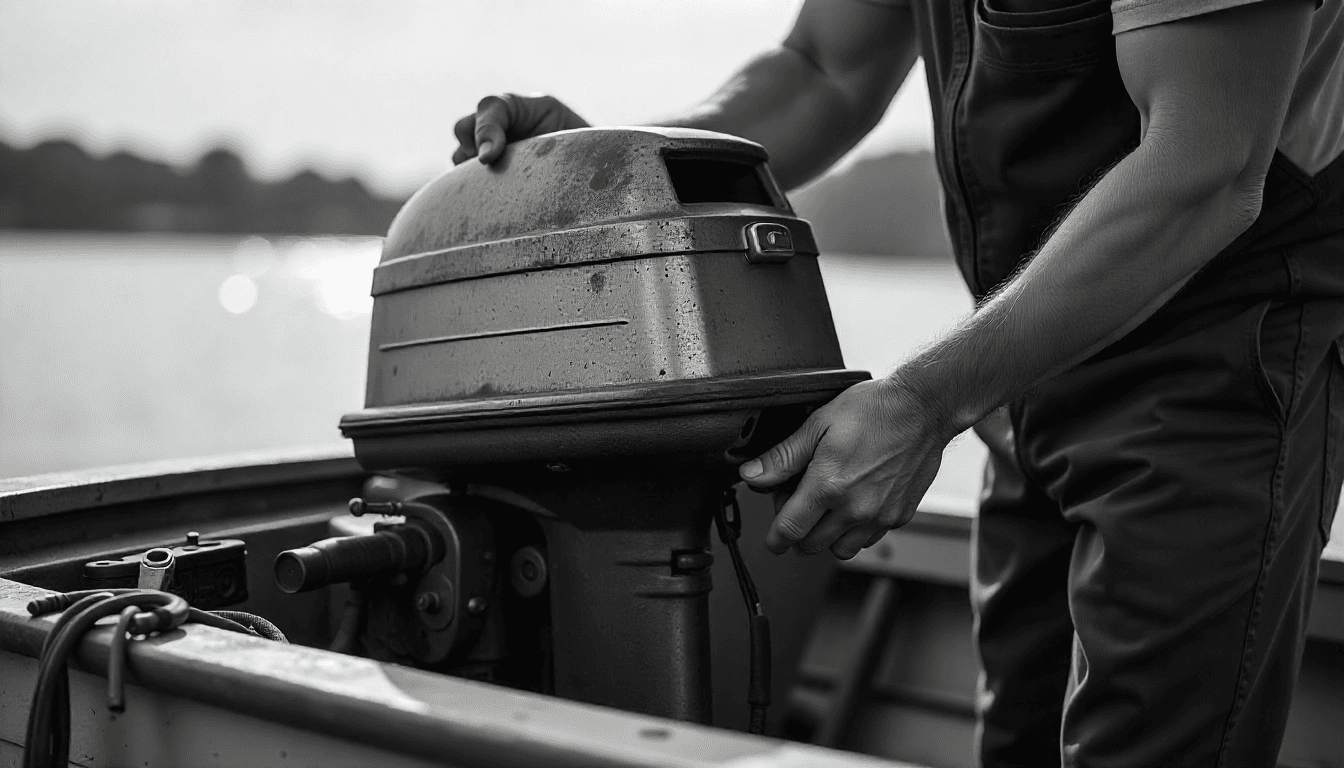
A well-maintained outboard starts easily, burns less fuel and is far less likely to leave you stranded. This step-by-step tune-up covers the routine service most owners can do themselves — spark plugs, oil, fuel system, lower unit and cooling — to keep a two- or four-stroke outboard running reliably season after season. Always check your owner's manual for the exact intervals, torque figures and gaps for your specific engine.
Tools and Supplies
- New spark plugs and a plug socket/wrench (plus a gap gauge)
- Engine oil and oil filter (four-stroke), fresh lower-unit gear oil and a gear-oil pump
- Marine fuel stabiliser and a fresh fuel filter / water-separator element
- Grease gun with marine grease
- Screwdrivers, socket set, pliers
- Flush muffs ("ear muffs") and a water hose
Step 1 — Spark Plugs
Worn or fouled plugs cause hard starting, misfires and poor economy. Remove each plug, inspect for carbon, oil fouling or cracked porcelain, and replace as needed. Set new plugs to the manufacturer's gap — even new plugs aren't always gapped correctly — and tighten to spec.
Step 2 — Engine Oil and Filter (Four-Stroke)
Warm the engine briefly so the oil drains freely, then change the oil and replace the filter so contaminants don't recirculate. Refill with the grade the manual specifies and check the level on the dipstick. (Two-strokes skip this step but rely on correct oil-to-fuel ratio or a working oil-injection system.)
📚 You may also like
Step 3 — Lower Unit Gear Oil
Drain the lower unit and inspect the old oil: a milky appearance means water intrusion and a failing seal that needs attention before further use; metal flakes signal gear wear. Pump in fresh gear oil from the bottom drain until it appears at the top vent, then replace both screws with new washers.
Step 4 — Fuel System
Replace the fuel filter / water-separator element, inspect fuel lines and primer bulb for cracks, and add stabiliser if the boat will sit. Stale fuel is one of the most common causes of poor running after winter layup.
Step 5 — Cooling and Lubrication
Run the engine on flush muffs and confirm a strong "telltale" stream — a weak or absent stream points to a clogged passage or a worn water-pump impeller (a routine wear item worth replacing on schedule). Grease the steering, tilt and prop-shaft fittings, and check the prop for line around the shaft and damaged blades.
Frequently Asked Questions
How often should you tune up an outboard motor?
Most manufacturers specify an annual service or every 100 hours of use, whichever comes first, with the water-pump impeller replaced on a longer interval (commonly every 2–3 years). Spark plugs, engine oil and lower-unit oil are the core annual items; always follow the schedule and figures in your engine's manual.
What does milky lower-unit oil mean?
A milky, cream-coloured appearance means water has mixed with the gear oil — almost always a failed seal on the prop shaft or drain/vent screws. Stop using the engine until it's fixed: running with water in the lower unit accelerates gear and bearing wear and can cause expensive failure.
Can you tune up an outboard yourself?
Yes — spark plugs, engine oil, lower-unit oil and the fuel filter are well within reach of most owners with basic tools and the manual. Jobs like water-pump impeller replacement or diagnosing weak cooling flow are more involved; if you're unsure or the telltale stream stays weak after a flush, have a marine mechanic check it before heading out.