Hydrofoiling Yachts on Charter: The Foiling Revolution for Everyday Sailors
GetBoat Blog
Hydrofoiling sailing yachts are now available on charter in 2026, putting one of the most dramatic advances in modern boating within reach of everyday sailors — no America's Cup budget required. Once confined to elite racing programmes, foiling technology has matured to the point where charter fleets are beginning to offer foiling monohulls and catamarans that lift their hulls clear of the water, delivering speeds two to three times faster than conventional displacement sailing, a smoother ride, and a genuinely unforgettable experience on the water.
What Exactly Is a Hydrofoiling Yacht?
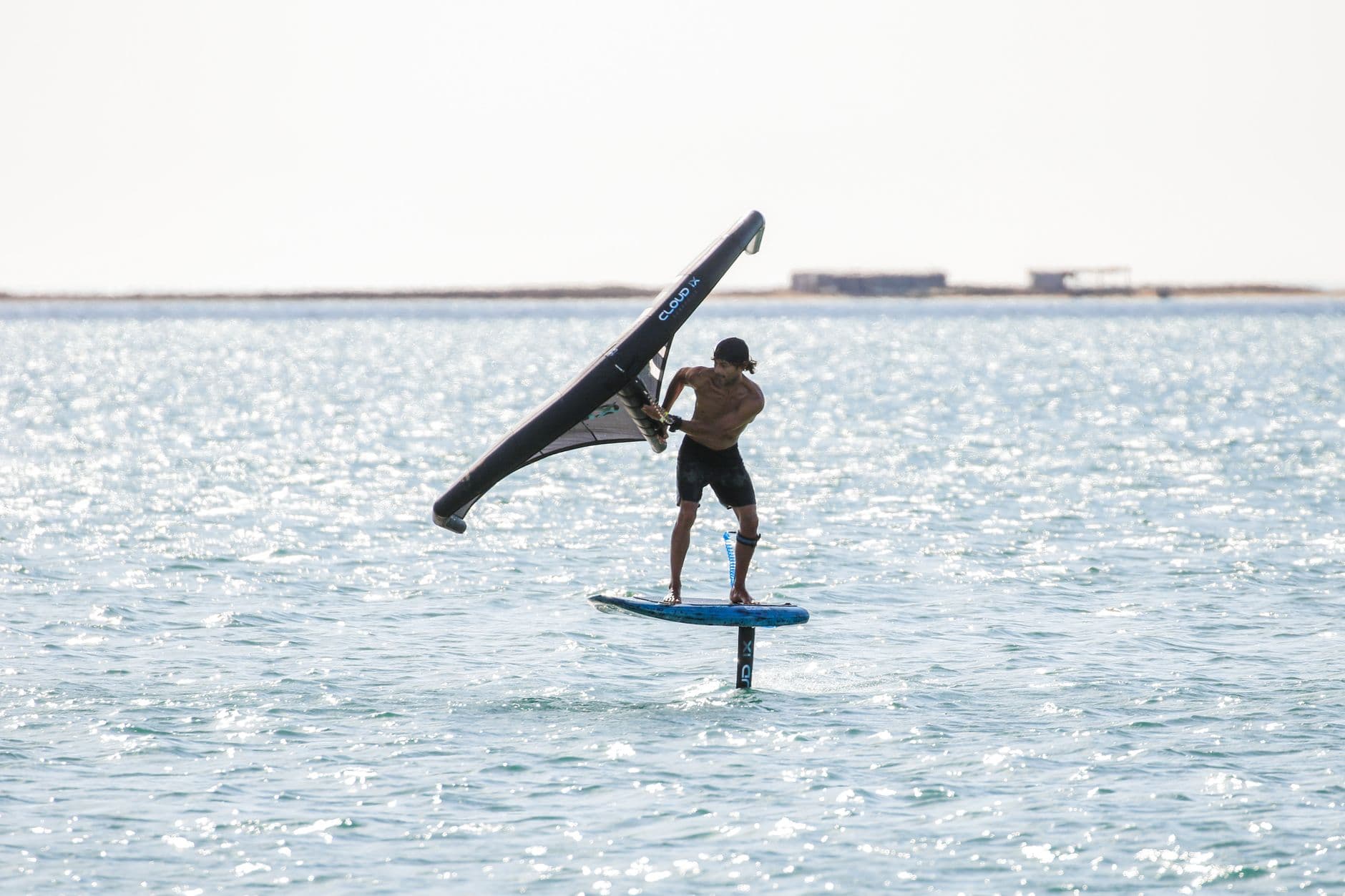
A hydrofoil is a winglike appendage mounted beneath a yacht's hull. As the vessel accelerates, these underwater wings generate lift — just as an aircraft wing does in air — until the hull rises clear of the water's surface. As Yachting Magazine explains, this transition from displacement to foiling mode can unlock speeds two or even three times greater than what the same yacht could achieve while still in the water. The reduction in wetted surface area slashes drag dramatically, which is why foiling yachts feel so explosive once they get up on their foils.
The history of hydrofoils stretches back further than most people realise. According to Wikipedia's entry on sailing hydrofoils, Italian naval architect Enrico Forlanini is credited with developing the first waterborne hydrofoils, fitting them to a craft that reached 36.9 knots as far back as 1906. The concept entered mainstream sailing consciousness during the 2013 America's Cup, when Oracle Team USA and Emirates Team New Zealand raced 72-foot foiling catamarans — and the Cup has been contested in foiling cats ever since, with teams now regularly touching 50 knots.
📚 You may also like
From Racing Circuits to Charter Fleets
The journey from America's Cup spectacle to charter-ready yacht has taken roughly a decade of engineering refinement. Metstrade's technology coverage notes that the key challenge has always been foil control — professional racing crews can manage foil trim manually at 50 knots, but leisure sailors need systems that regulate ride height automatically. Builders have addressed this through two main approaches:
- Surface-piercing (V-shaped or curved) foils: These self-regulate by design — as the boat rises, less foil remains submerged, reducing lift and stabilising ride height without any active input from the crew. Metstrade highlights this principle as particularly well-suited to larger, heavier yachts where simplicity is paramount.
- T-foil systems with mechanical or electronic ride-height control: A small sensor or float detects the hull's height above the water and adjusts a flap on the horizontal foil to add or reduce lift. This is the system used on one-design classes like the Moth and the Waszp, and increasingly on charter-grade vessels.
The result is a new generation of foiling yachts that do not demand rock-star sailing skills. As Metstrade puts it, automated or self-adjusting foil control is the key that unlocks foiling for leisure boaters.
Notable Foiling Yachts Entering the Charter Market
Persico 69F — Foiling Monohull Skiff
The Persico 69F, a fully carbon foiling monohull designed by Wilson-Marquinez and built by Persico Marine, has become a benchmark for accessible performance foiling. According to Wikipedia's sailing hydrofoil entry, the 69F is 6.9 metres long, carries a fully battened mainsail, jib and gennaker with a combined sail area of 69 square metres, and uses a T-shaped rudder foil, two L-foils and a central daggerboard. The one-design class launched its first racing series in 2020 in Europe before expanding to the United States in 2022. Yachting Magazine reports that a 69F's top speed reaches 34 knots — and even a relative novice at the helm can experience speeds above 17 knots in moderate breeze with experienced crew on board. Day-charter and sailing-experience operators in Europe have begun offering 69F sessions as a high-adrenaline introduction to foiling.
Aquila 46 Foiling Power Catamaran
On the power side, Power and Motor Yacht's review of the Aquila 46 — presented at the 2025 Cannes Yachting Festival — illustrates how foiling technology is transforming charter powercats as well. The 46's "Hydro Glide" fixed foil, mounted amidships and spanning the boat's 23-foot beam, adds no additional draft beyond the yacht's existing 4-foot 1-inch figure. Power and Motor Yacht reports that the foil reduces wetted surface area by 30 to 40 percent, pushes top speed to around 25 knots, and improves fuel efficiency by up to 20 percent compared with a non-foil version — a compelling argument for charter operators focused on running costs and range. The Aquila 46 is available in three-cabin configuration, making it directly relevant to crewed and bareboat charter fleets.
Racing-Derived Cruising Foilers
Metstrade's technology analysis also points to the Bénéteau Figaro 3 and ClubSwan 36 as examples of foil-assisted racing yachts whose technology is filtering into broader sailing. The Figaro 3's foils are designed not to lift the hull entirely clear of the water but to reduce displacement and provide extra upwind lift — a more accessible form of foiling that improves performance without demanding the precise trim management of a full-flying yacht. Charter operators in the Mediterranean and Caribbean are increasingly listing foil-assisted performance yachts alongside conventional sailing yachts.
What to Expect on a Foiling Charter in 2026
Booking a hydrofoiling sailing yacht charter in 2026 is a meaningfully different experience from a conventional sailing holiday. Here is what prospective charterers should know:
- Wind requirements: Most foiling monohulls need at least 10–15 knots of true wind to get up on their foils reliably. Light-air destinations may limit foiling time.
- Crew briefing: Charter companies offering foiling yachts typically provide a mandatory technical briefing on foil behaviour, capsize recovery and speed management. Some require a skipper with foiling experience.
- Comfort at speed: Counterintuitively, foiling yachts often deliver a smoother ride than displacement yachts in choppy conditions, because the hull is elevated above the wave action. Metstrade confirms that hydrofoils provide a ride that is much less influenced by waves, increasing comfort aboard.
- Safety equipment: Helmets and impact vests are standard kit on performance foiling day-charters. Larger foiling cruising cats have conventional safety profiles closer to a standard charter yacht.
- Pricing: Foiling day-charter experiences — particularly 69F-style sessions — are priced as premium experiences, typically above equivalent non-foiling day sails in the same market.
Why the Foiling Revolution Matters for Charter Guests
The broader significance of foiling reaching the charter market is that it democratises a technology that, as recently as 2013, existed only at the absolute pinnacle of professional sailing. Yacht Charter Trends coverage for 2026 identifies experiential and performance-focused charters as one of the defining growth segments of the season — and foiling sits squarely at the intersection of those two trends. Whether a guest wants a white-knuckle 34-knot blast on a 69F or a smooth, efficient passage aboard a foil-assisted power catamaran, the technology is now commercially available and operationally proven.
Frequently Asked Questions
Do I need sailing experience to charter a hydrofoiling yacht?
It depends on the vessel. Full-flying performance foilers like the Persico 69F are typically offered as skippered or instructed day-charter experiences rather than bareboat hire, so prior sailing experience is helpful but not always mandatory. Foil-assisted cruising yachts and foiling powercats can be chartered bareboat by qualified skippers with conventional certification, since their foil systems are largely self-regulating.
How fast do foiling charter yachts actually go?
Performance foiling monohulls like the 69F can reach 34 knots in strong breeze. Foiling power catamarans such as the Aquila 46 cruise at 18–20 knots and top out near 25 knots. Foil-assisted sailing yachts — where the foils reduce displacement rather than fully lifting the hull — typically see speed gains of 10–25 percent over their non-foil equivalents.
Are foiling yachts available in popular charter destinations?
As of 2026, foiling charter options are most concentrated in the Mediterranean (particularly France, Italy and Croatia), with growing availability in the Caribbean and parts of Southeast Asia. The market is expanding rapidly as more builders deliver foiling models and charter operators update their fleets.
Is foiling technology reliable enough for a charter holiday?
Fixed-foil systems on cruising catamarans and foil-assisted sailing yachts have accumulated significant sea miles and are considered operationally reliable. More complex active-foil systems on performance racing-derived yachts require regular maintenance and experienced crew. Reputable charter operators will only list foiling yachts that meet flag-state and classification requirements.