Best 150 HP Outboard Motors for Small Boats – Performance and Value Picks

Founder, TheThinksters.com
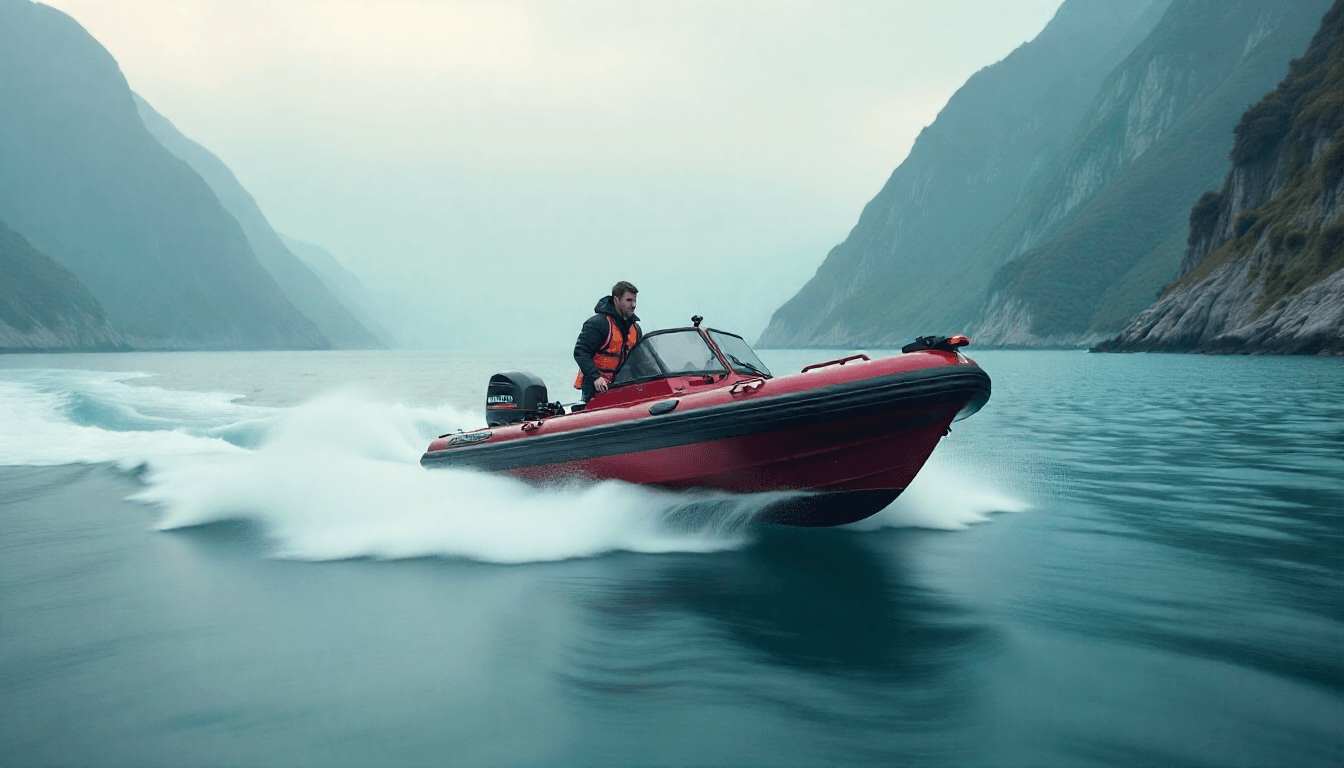
150 horsepower outboards sit in a practical range for many small boats. They deliver enough thrust for cruising, light towing, and fishing without adding excessive weight to the transom or burning fuel at a high rate. Owners often choose this class when they want steady performance across different conditions while keeping the package manageable for trailering and storage.
Why this power level fits small boats
Smaller hulls benefit from an engine that provides quick acceleration without overpowering the structure. A 150 hp motor typically allows a boat to reach planing speeds efficiently and maintain comfortable cruise settings. It also leaves room for passengers and gear without pushing the vessel beyond its designed limits. Many boaters moving up from 90 or 115 hp engines notice improved hole-shot response and better handling in chop while still enjoying reasonable fuel economy at moderate throttle positions.
Features that matter in daily use
Modern 150 hp outboards share several practical traits. Electronic fuel injection helps with reliable starting and smoother operation across the rpm range. Wet-sump lubrication systems keep oil moving effectively even during long trolling sessions. Most models include a neutral-forward-reverse shift pattern that feels predictable when maneuvering around docks or in tight anchorages. Counter-rotation options exist for twin setups, and alternator output on current engines usually supports basic electronics such as fishfinders and radios without extra upgrades.
📚 You may also like
Performance and value considerations across brands
Yamaha, Mercury, Suzuki, and Honda each produce 150 hp four-stroke models that have earned solid reputations for durability. Yamaha units often receive praise for responsive low-end pull and consistent fuel management. Mercury engines in this class tend to be compact and lighter, which can help with overall boat balance. Suzuki offers variable cam timing on several versions, aiding efficiency during mixed-speed running. Honda models frequently stand out for smooth trolling adjustments and straightforward maintenance access. Real-world differences often come down to local dealer support, parts availability, and how the engine matches a specific hull rather than one brand dominating every category.
Choosing the right motor for your needs
Weight, gear ratio, and propeller selection affect how any 150 hp outboard performs on a given boat. Lighter engines reduce stress on the transom and can improve fuel range. A wider throttle range gives flexibility for both economical cruising and occasional higher-speed runs. Owners should also consider shaft length, cooling system design, and whether the motor supports easy integration with existing controls. Test-fitting an engine on your hull, or consulting a dealer familiar with your boat model, usually provides clearer guidance than spec sheets alone.
Long-term ownership points
Routine maintenance remains the biggest factor in reliability. Regular oil changes, fuel filter replacements, and proper winterization prevent most common issues. Corrosion protection matters in saltwater environments, so flushing the cooling system after each outing helps extend service life. Warranties vary by manufacturer and region, so checking coverage length and what it includes is worthwhile before purchase. Many owners also keep a spare propeller on board, since damage from debris can occur even on careful trips.
Frequently Asked Questions
How does a 150 hp outboard compare with smaller engines on the same boat?
It generally provides stronger acceleration and the ability to carry more weight at planing speeds. The trade-off is slightly higher fuel use at wide-open throttle and added weight on the transom, though modern designs keep both differences moderate.
Are four-stroke 150 hp motors suitable for frequent trolling?
Yes. Most current models include fine rpm control and efficient low-speed operation. Anglers often report steady performance at trolling speeds with good fuel economy when the engine is properly propped for the hull.
What should I check before buying a used 150 hp outboard?
Compression readings, service history, and evidence of overheating or corrosion are key. A compression test and visual inspection of the lower unit and cooling system can reveal prior issues. Having a marine mechanic perform a full evaluation is usually a sound step.
Can I install a 150 hp motor on a boat originally rated for less power?
Only if the hull and transom are rated for the increased weight and thrust. Exceeding manufacturer limits can affect handling and safety, so verifying the boat’s maximum horsepower rating with the builder or a qualified surveyor is essential first.