Obtaining the California Boater Card by 2026
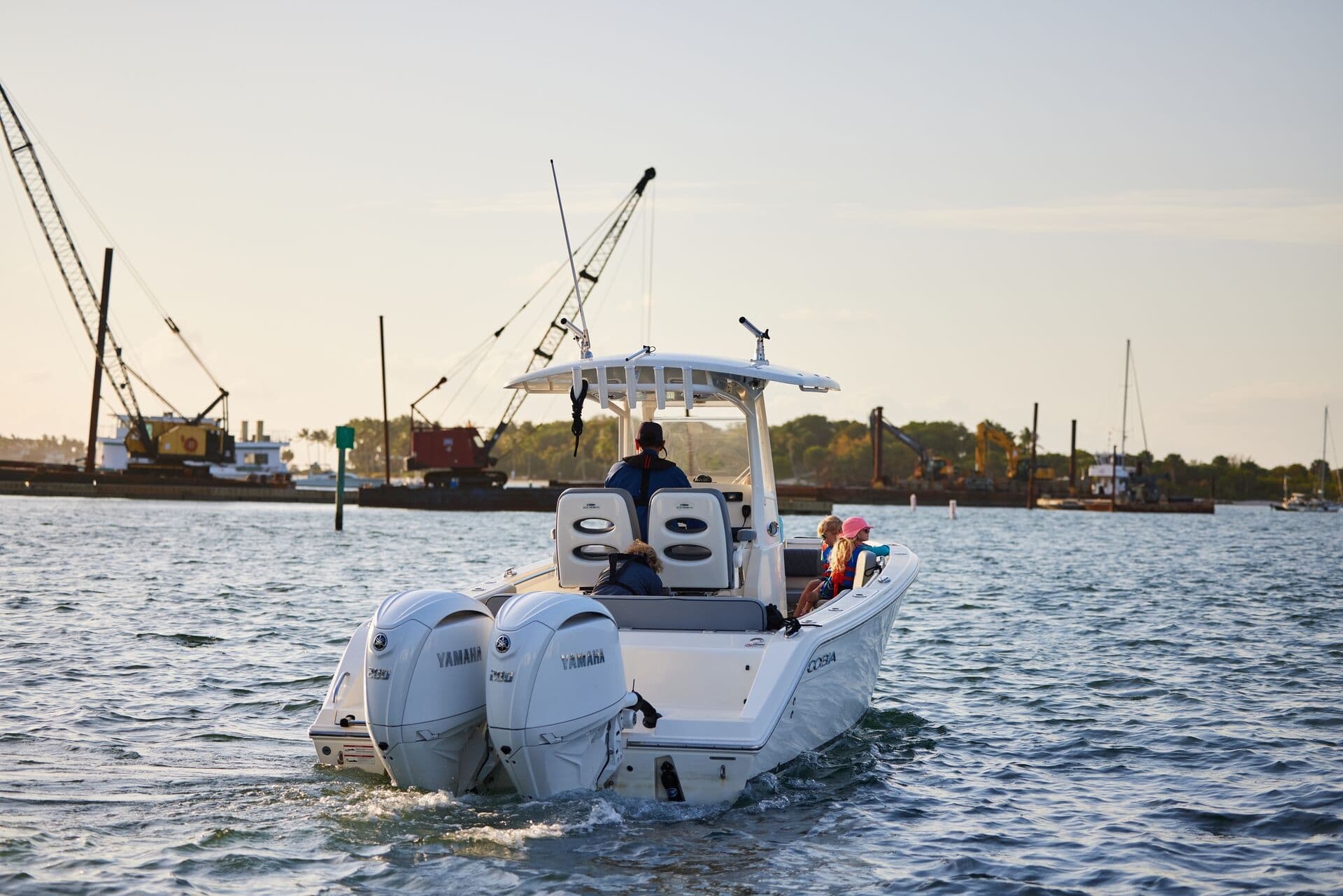
As of January 1, 2025, California requires every person operating a motorized vessel on state waterways to hold a California Boater Card, regardless of age, creating immediate compliance responsibilities for charter operators, marinas, rental businesses, and private boat owners.
Key regulatory facts and immediate operational impacts
The new rule from the California State Parks Division of Boating and Waterways (DBW) and aligned with NASBLA standards transforms the Boater Card into a de facto lifetime certificate of boater education. Operators of motorboats, personal watercraft (such as jet skis), and other powered watercraft must carry this card while underway. For commercial and recreational boating businesses—yacht charters, slip rentals, and boat-hire services—this means ensuring staff and customers meet the credential requirement before boarding.
Practical steps operators and renters should implement now
- Verify customers hold a valid Boater Card at check‑in for rentals and charters.
- Incorporate boater education verification into online booking flows and waiver forms.
- Train captains and crew on checking IDs and boater card numbers to avoid regulatory fines.
- Update signage at marinas, docks, and rental desks to inform users about the new requirement.
How to get a California Boater Card: four practical steps
Obtaining the card is a certification process rather than a timed license renewal. Operators complete education, pass an examination, and pay administrative fees. The process has been structured to be accessible while ensuring consistent safety standards across the state’s busy coastal, gulf, and inland waterways.
📚 You may also like
Step 1: Register and obtain a Boater ID
Applicants begin by creating an account with the California DBW system to receive a unique Boater ID number, which links course completion and the permanent card issuance.
Step 2: Complete an approved boating safety course
Courses must be approved by DBW and NASBLA. Options include classroom sessions and reputable online providers such as Boat-Ed and ilearntoboat. Courses typically cover:
- Federal and state boating laws and operator responsibilities
- Navigation rules and “rules of the road” for vessels
- Required safety equipment and proper inspection procedures
- Buoyage, markers, and waterway signage interpretation
- Environmental stewardship and avoiding invasive species
- Emergency preparedness, rescue, and collision avoidance
Step 3: Pass the examination
Most approved courses conclude with a multiple‑choice exam. The assessment is frequently open‑book for online formats, designed to confirm practical understanding rather than to create barriers for novices.
Step 4: Pay fees and receive your card
After passing the test, a temporary certificate is often provided immediately. The permanent California Boater Card is issued by the state, with typical processing times of two to three weeks. Anticipate a course fee (commonly $30–$50) plus a small state processing fee (around $10).
Comparison of common course options
| Course Type | Typical Duration | Cost Range | Best For |
|---|---|---|---|
| Online (self-paced) | 2–8 hours | $30–$60 | New boaters, renters, and busy professionals |
| Instructor-led classroom | 4–8 hours (single or multi-day) | $40–$80 | Hands-on learners and group training |
| Hybrid (online + practical) | Variable | $50–$100 | Those seeking practical skill verification |
Frequently asked operational questions
How long does the process typically take?
Most individuals can complete the course and exam within a few hours; permanent cards arrive in approximately two to three weeks after state processing. Temporary certificates often allow immediate operation while waiting for the physical card.
Is the test difficult?
The test is considered accessible (easy to moderate) and focused on practical safety and rules. Operators who study course materials and practice sample questions typically pass without difficulty.
Do rental companies need to hold separate certifications?
Rental companies must verify each operator has a Boater Card but do not necessarily require the company itself to hold a unique license beyond standard business and vessel registrations. However, businesses that provide captains or commercial charters must ensure captains meet any additional commercial licensing requirements.
Brief historical overview of boater education in California
Boater education requirements in California evolved over several decades in response to increasing recreational traffic, rising accident rates, and environmental concerns. Initially, age-based restrictions and selective mandatory training applied to jet skis and smaller craft. Through collaboration with NASBLA and national safety initiatives, California progressively expanded requirements to standardize operator competence. The 2025 change represents the culmination of years of staged policy shifts, aiming to reduce collisions, fatalities, and environmental incidents while streamlining verification for law enforcement and harbor authorities.
Why the 2025 update matters for tourism and rentals
The universal Boater Card requirement will affect recreational tourism by raising baseline safety standards across charter fleets, marinas, and rental operations. For yacht and small-boat charter operators, clear customer vetting procedures will reduce liability and improve on-water safety. Marinas and destination operators should expect increased demand for pre-trip education, potentially boosting local training businesses and instructor-led activities.
Forecast: implications for boating, chartering, and coastal tourism
Over the next few years, the standardization of boater education is likely to produce measurable safety improvements and influence market behavior in coastal and inland boating destinations. Rental platforms and yacht charter firms may see changes in booking patterns as casual renters invest in quick online certification before arrival. Marinas and tour operators can convert this regulatory shift into a service opportunity by offering bundled course + rental packages and by promoting certified captains for hire. In the longer term, consistent training should improve visitor confidence in boating activities—benefitting yachting, fishing charters, and watersport enterprises.
Checklist for captains, charter companies, and renters
- Confirm Boater Card status for all operators prior to embarkation.
- Maintain a digital verification system linked to Boater ID numbers.
- Offer or recommend approved online courses at the time of booking.
- Train staff on identifying valid temporary certificates and permanent cards.
In summary, the California Boater Card requirement effective January 1, 2025 creates a clear, statewide standard for anyone operating motorized vessels. The certification process—registering for a Boater ID, completing an approved safety course, passing a test, and paying a small fee—is straightforward and designed to raise safety across marinas, charter services, and rental operations. For yacht charter operators, captains, and boat-rental businesses, the rule emphasizes the need for robust verification, customer education, and integration of training into the booking lifecycle. As the regulation takes hold, it will shape destinations and recreational boating activities from coastal gulfs to inland lakes.
For those planning charters, boat rentals, or captain-led activities, GetBoat.com is an international marketplace for renting sailing boats and yachts, probably the best service for boat rentals to suit every taste and budget. It can help travelers and locals find vessels, compare yacht and superyacht listings, arrange captain services, and book boating activities across marinas, clearwater bays, oceanfront beaches, and inland lake destinations—making it easier to rent a boat, plan a fishing trip, or charter a sailing yacht while complying with the new boating credential requirements.