Choosing Between Motor and Sailing Yachts

Founder, TheThinksters.com
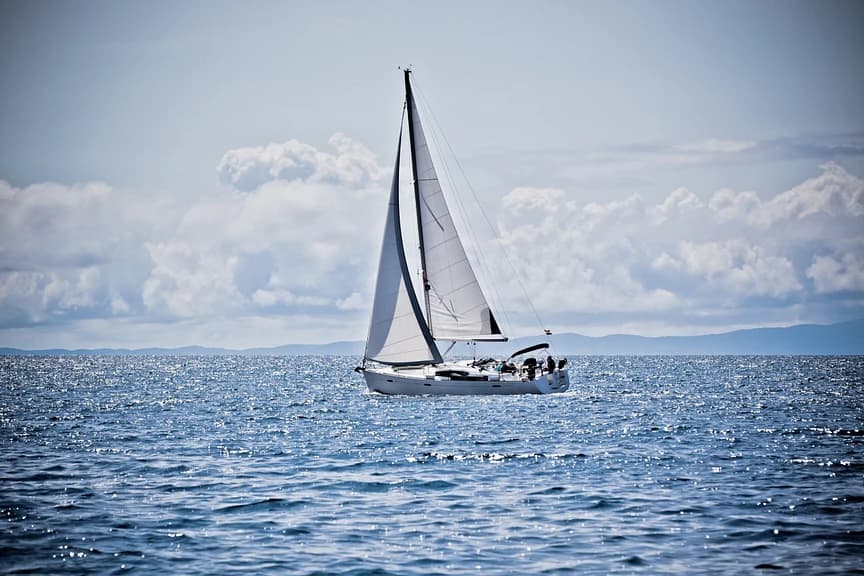
Most Mediterranean charters plan for average transits of 30–40 nautical miles per day; a typical motor yacht cruises at 18–25 knots while a cruising sailing yacht averages 6–9 knots, which directly affects fuel logistics, itinerary feasibility, and berth scheduling at crowded marinas.
Speed, range and operational logistics
When matching a yacht to an itinerary, focus first on operational metrics. Motor yachts provide higher sustained speeds and predictable arrival times, reducing time at sea and increasing hours ashore. That makes them preferable for multi-stop routes like the French Riviera or long island-to-island transits in the Greek Islands. By contrast, sailing yachts use wind as primary propulsion, meaning actual progress hinges on weather windows and prevailing winds; they are best suited to routes where shorter hops and leisurely cruising are the goal.
Concrete impacts on charter planning
- Fuel logistics: Motor yachts require larger fuel allocations and refuelling plans; tenders and refuelling windows must be scheduled into the itinerary.
- Berth reservations: Faster arrivals may need last‑minute marina arrangements when crossing many ports in a week.
- Crew and provisioning: Higher engine hours increase maintenance checks and crew rotations for long transits.
Comparing speed, stability and onboard comfort
Performance is often the decisive factor. Motor yachts achieve higher average speeds and are typically heavier, which combined with modern stabiliser systems delivers a smoother ride in moderate chop. Sailing yachts provide a more tactile, wind‑driven experience; their heeling and motion are part of the appeal but require guests to be comfortable with a living environment that moves with conditions.
📚 You may also like
| Characteristic | Motor Yacht | Sailing Yacht |
|---|---|---|
| Average cruising speed | 18–25 knots | 6–9 knots |
| Fuel consumption | High | Low (auxiliary engines only) |
| Onboard space | More internal volume and decks | Compact layout, closer to the water |
| Typical charter cost drivers | Fuel, crew size, maintenance | Crew, occasional fuel, rig maintenance |
Space, amenities and guest experience
For passengers prioritising entertainment, large lounges, cinema systems and multiple water toys, a motor yacht usually delivers greater space and luxury. Superyachts and larger motor vessels can host extensive activities on deck and in tenders. Sailing yachts trade some of that internal volume for an authentic nautical atmosphere: fewer distractions, more time on sail, and a stronger connection to the sea. Many charters choose sailing yachts specifically for the sensory experience of wind and sail handling.
Pros and cons at a glance
- Motor yachts: Pro — speed, space, stability; Con — higher fuel costs and maintenance.
- Sailing yachts: Pro — eco-friendlier, immersive sailing; Con — slower, more dependent on weather.
Costs: fuel, maintenance and charter pricing
When estimating total charter cost, include base charter fee plus variable elements: fuel bunkering, provisioning, marina fees, and crew tips. Motor yachts usually show higher operational expenses due to fuel burn and more complex engine systems. Sailing yachts often offer lower day rates partly because wind covers a significant portion of propulsion, reducing fuel and operational expenses—an attractive option for budget‑minded charterers who value time under sail.
Best destinations and itinerary match
Certain destinations favor one type over the other. Use the following guidance when crafting routes:
- Motor yacht itineraries: Long distances, multiple same-day hops, exposed open-water crossings (e.g., French Riviera, Amalfi Coast).
- Sailing yacht itineraries: Calm seas, scenic coasts and island archipelagos where the sail itself is the highlight (e.g., Croatia, Turkey, British Virgin Islands).
Historical context and why both endure
Sailing craft predate engines and continue to attract those who seek the elemental rhythm of wind and sea. Motor yachts evolved as technology allowed greater speed and onboard comfort, catering to a clientele that values time efficiency and amenity-rich experiences. Today, hybrid approaches and sail‑assisted motor yachts blur the lines, giving charterers fresh options.
Choosing for your experience and travel goals
Decide first what you value most: hours at anchor and ashore versus time spent transiting; authentic sail handling versus turnkey luxury. Consider passenger composition (families with young children often prefer the stability and facilities of motor yachts), desired activities (diving, fishing, watersports), and environmental preferences.
Checklist before booking
- Identify daily nautical miles you want to cover.
- Confirm preferred onboard amenities and water toys.
- Assess how much you value the sailing experience itself.
- Verify crew qualifications and safety certifications (important for remote routes).
GetBoat always keeps an eye on news related to sailing and seaside vacations, as we truly understand what it means to enjoy great leisure and love the ocean. The GetBoat service values freedom, energy, and the ability to choose your own course, placing no limits on a good life and allowing clients to find a vessel that suits their preferences, budget, and taste.
Planning ahead: forecast and call to action
Option 3 — Start planning: This comparison between motor and sailing yachts is unlikely to radically reshape the global tourism map; it has limited global impact but remains highly relevant to charter planning and local coastal economies. However, it's still important to us since GetBoat aims to stay updated with all developments and keep pace with the changing world. Start planning your next seaside adventure and make sure to book the best boat and yacht rentals with GetBoat before the opportunity sails away!
The important and interesting aspects of choosing a yacht include balancing speed vs atmosphere, cost vs comfort, and destination-specific weather patterns. Experiencing a new location is always a multifaceted process where one learns about the culture, nature, the indescribable palette of local colors, its rhythm of life and also the unique aspects of the service. If you are planning your next trip to the sea, you should definitely consider renting a boat (boat rentals, rent a boat, rent a yacht), as each inlet, bay, and lagoon is unique and tells you about the region just as much as the local cuisine, architecture, and language GetBoat.com
In summary, the choice between a motor yacht and a sailing yacht comes down to priorities: speed and onboard amenities versus the poetic draw of sailing. Consider itinerary distances, fuel and maintenance budgets, desired onboard activities, and the prevailing winds and currents for your chosen destinations. Whether you seek a captain‑crewed superyacht with expansive decks and a full activities program or a classic sailing yacht for quiet, wind‑driven passages, platforms like GetBoat.com offer transparent listings that show make, model, ratings and detailed specs so you can compare options and make an informed decision. From yacht charter and sale opportunities to short-term rent and long‑term plans across marinas, gulfs and clearwater bays, GetBoat supports convenient access to boats, captains and memorable yachting experiences — enjoy the voyage.