Inboard Boat Engines – Power, Maintenance, and Performance Guide
Alexandra
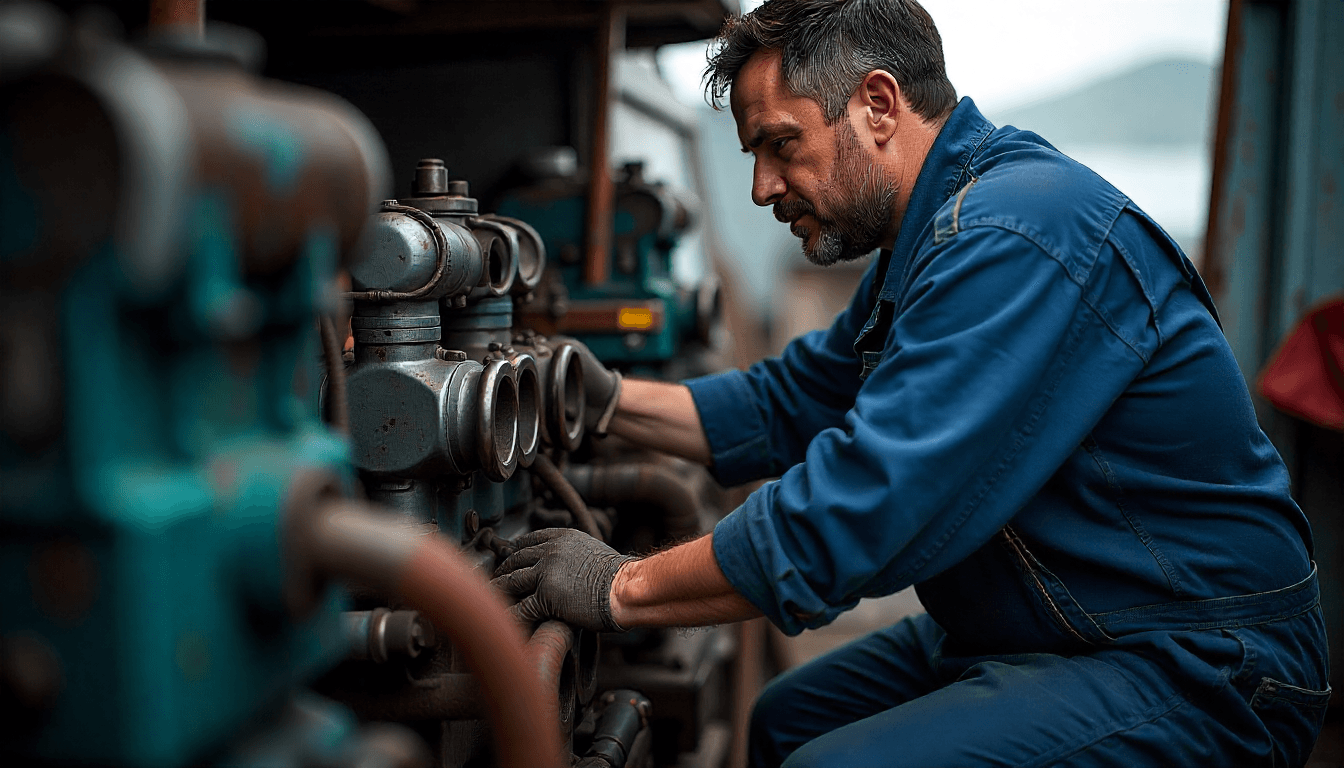
When it comes to powering watercraft for recreation or sport, few systems match the reliability and strength of inboard boat engines. These power units have become the standard choice for many marine enthusiasts because they balance performance with long-term durability. Whether you are exploring the fundamentals of engine design, looking into maintenance needs, or analyzing performance metrics, understanding this technology is essential for anyone serious about boating.
The Evolution of Inboard Boat Engines
The modern inboard has a long history rooted in engineering advancements and marine innovation. Over the years, manufacturers refined these systems to meet growing demands for reliability, efficiency, and speed. Early marine engine applications were adapted from automobile technology, but the requirements of water resistance, cooling, and torque meant that engines needed to be specifically designed for marine use.
Today, inboard engines are built to withstand extreme conditions, offering superior power output while minimizing vibration. They are designed with precision components and advanced materials, ensuring reliability over years of heavy use.
📚 Vous aimerez peut-être aussi
Why Inboard Boat Engines Remain Popular
Power and Performance
One of the main reasons inboard boat engines remain the top choice for many boat owners is their consistent power delivery. Unlike outboard systems, inboard units are housed inside the hull, distributing weight more evenly. This design improves stability, making it easier to handle at higher speeds. The performance of an inboard is often superior when towing skiers or wakeboarders, as torque is delivered steadily without lag.
Maintenance Requirements
Maintaining an inboard requires knowledge of engine applications, but the reward is a long-lasting system. Routine tasks include checking oil levels, replacing filters, and inspecting cooling systems. While upkeep may seem demanding, modern marine engine applications are designed to simplify the process. Many new models also come with diagnostic tools that make troubleshooting straightforward.
Longevity and Reliability
Marine engines, particularly inboard designs, are engineered for durability. They offer superior reliability compared to some alternatives because they are water-cooled and built with corrosion-resistant components. When serviced correctly, an inboard can last decades, making it a valuable investment for any boat owner.
The Role of Engine Applications in Marine Use
Every marine engine is built with specific applications in mind. Some engines are tailored for speed, while others are designed for towing heavy loads. Inboard boat engines fall into several categories depending on size, fuel type, and performance orientation.
- Recreational use: Many inboard units are designed for water skiing, wakeboarding, or general cruising.
- Commercial use: Inboard systems are also found in workboats where torque and reliability are crucial.
- Specialized marine engine applications: These include racing or offshore activities where performance must be maximized without sacrificing safety.
Understanding engine applications ensures you get the most out of your equipment and match the right design to your boating needs.
Anatomy of an Inboard Boat Engine
To appreciate how these engines function, it’s important to look at their main components:
- Engine block: The heart of the system, housing pistons and cylinders.
- Cooling system: Uses water intake to regulate heat.
- Exhaust system: Removes gases safely while reducing noise.
- Transmission and drive: Transfers power to the propeller for smooth propulsion.
- Fuel system: Designed to deliver consistent supply under fluctuating loads.
These components are carefully designed for marine applications, ensuring the system can operate under high stress and variable conditions.
Comparing Inboard with Other Boat Engine Options
While some prefer sterndrive or outboard setups, the inboard remains a favorite for its stability and reliability. A sterndrive offers flexibility in shallow waters, while an outboard is easier to replace. However, inboard engines deliver consistent torque and are less exposed to corrosion since most of the system is inside the hull.
For families and professionals who value reliability, inboard is often the superior choice.
Performance Factors That Set Inboard Boat Engines Apart
Torque and Speed
The torque output of an inboard engine makes it ideal for watersports. The ability to deliver power without sudden spikes ensures safety and precision handling.
Fuel Efficiency
Modern designs emphasize efficiency, helping reduce fuel consumption without compromising performance. Advanced marine engine design has significantly improved reliability in this regard.
Noise and Vibration
Inboard systems are quieter than many alternatives, thanks to soundproofing within the hull and improved exhaust design. This enhances the overall boating experience.
Maintenance Guide for Inboard Boat Engines
Routine maintenance is the key to longevity. Here are some essential practices:
- Regular oil changes: Prevent engine wear and maintain lubrication.
- Cooling system checks: Saltwater use can cause blockages; flushing after each outing is recommended.
- Belt and hose inspections: Replace worn components before failure occurs.
- Fuel filter replacement: Ensures clean fuel supply, avoiding performance issues.
- Winterization: In cold climates, engines must be prepared for storage to avoid damage.
Many marine engine applications come with warranties and support programs that help owners manage upkeep.
Modern Trends in Marine Engine Applications
The marine industry is shifting toward eco-friendly and efficient systems. Manufacturers now offer remanufactured engines that meet strict environmental standards without sacrificing performance. Hybrid systems are being tested, offering a complete new approach to propulsion in boating.
Advancements in digital controls also allow users to monitor performance, detect issues early, and optimize fuel consumption. These technologies reflect a design philosophy oriented toward superior reliability and user-friendly applications.
Choosing the Right Inboard Boat Engine
When selecting a system, consider:
- Power needs: Match horsepower to your boating activities.
- Size of boat: Larger vessels require stronger engines for safe operation.
- Budget and warranty: Investing in a reliable engine with a solid warranty can save money over the years.
- Intended applications: Whether recreational, commercial, or specialized, choosing the right engine applications ensures optimal results.
Many companies today offer complete packages with free support and extended warranties, making it easier for customers to get what they need.
Future of Inboard Boat Engines
The industry is moving toward more sustainable products with reduced emissions. New models are designed with reliability, efficiency, and superior performance in mind. As demand grows for eco-friendly solutions, the focus on hybrid technology and advanced cooling systems will increase.
Manufacturers are also offering superior components and design improvements that extend the lifespan of engines. This evolution ensures that inboard boat engines remain a central part of marine activities for years to come.
Conclusion
Inboard boat engines continue to dominate the market thanks to their balance of power, performance, and reliability. They are designed for diverse marine engine applications, from recreation to commercial use. By understanding how they work, maintaining them properly, and choosing the right design for your needs, you can ensure years of superior boating experiences.
With advancements in design and a growing focus on eco-friendly technology, the future of inboard engines looks promising. Whether you’re a seasoned boating enthusiast or just starting out, this complete guide offers the knowledge you need to make informed decisions and take full advantage of what inboard systems offer today.