Noticias
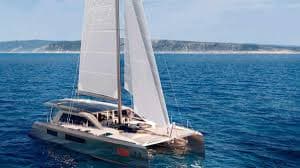
Delos Catamaran Engine Room Transformation
The rebuilt engine room on an aluminum catamaran must respect tight weight distribution, clear service corridors, and ventilation routes to preserve trim and fuel efficiency.
6 min·
12934 artículos
The rebuilt engine room on an aluminum catamaran must respect tight weight distribution, clear service corridors, and ventilation routes to preserve trim and fuel efficiency.
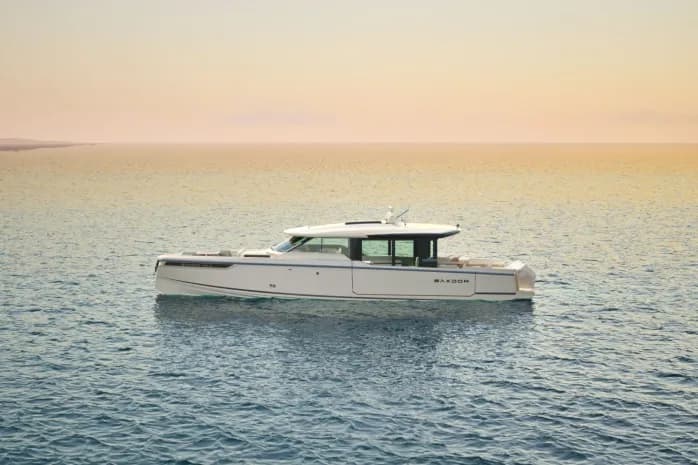
With an overall length of roughly 14 metres, a beam near 3.6 metres and a draft under 1 metre, the Saxdor 460 GTC has been engineered to fit a broad range of coastal marinas, shallow anchorages and protected gulfs—factors that directly affect berth selection, fuel-stop planning, and marina fee structures for owners and charter operators alike.
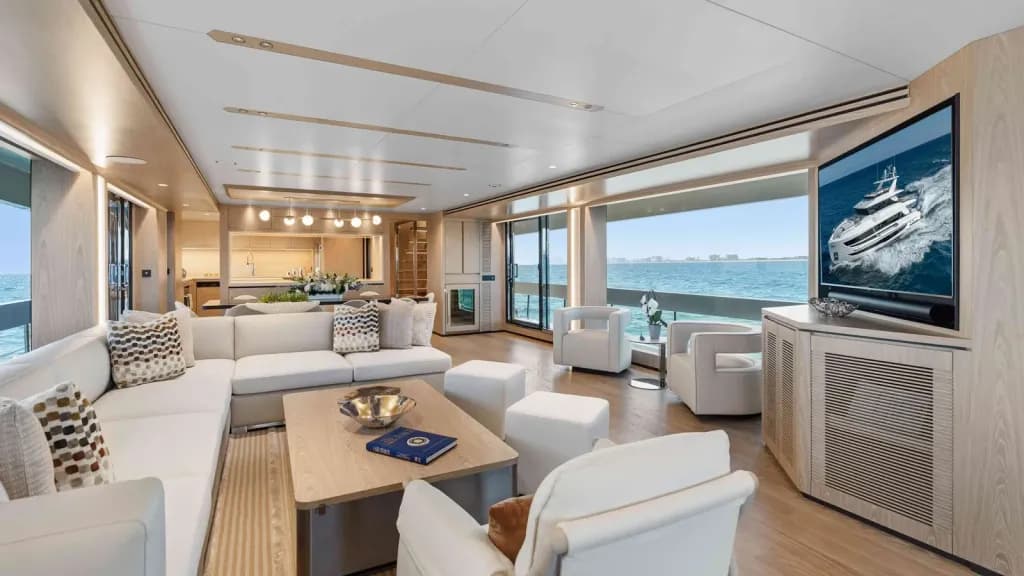
Delivery to the United States is slated after final outfitting, requiring coordinated transoceanic transit planning, customs clearance and pilotage arrangements for the 100-foot tri-deck hull; berth allocation at US marinas and tender logistics are already being scheduled to support owner operations and short-term charters.
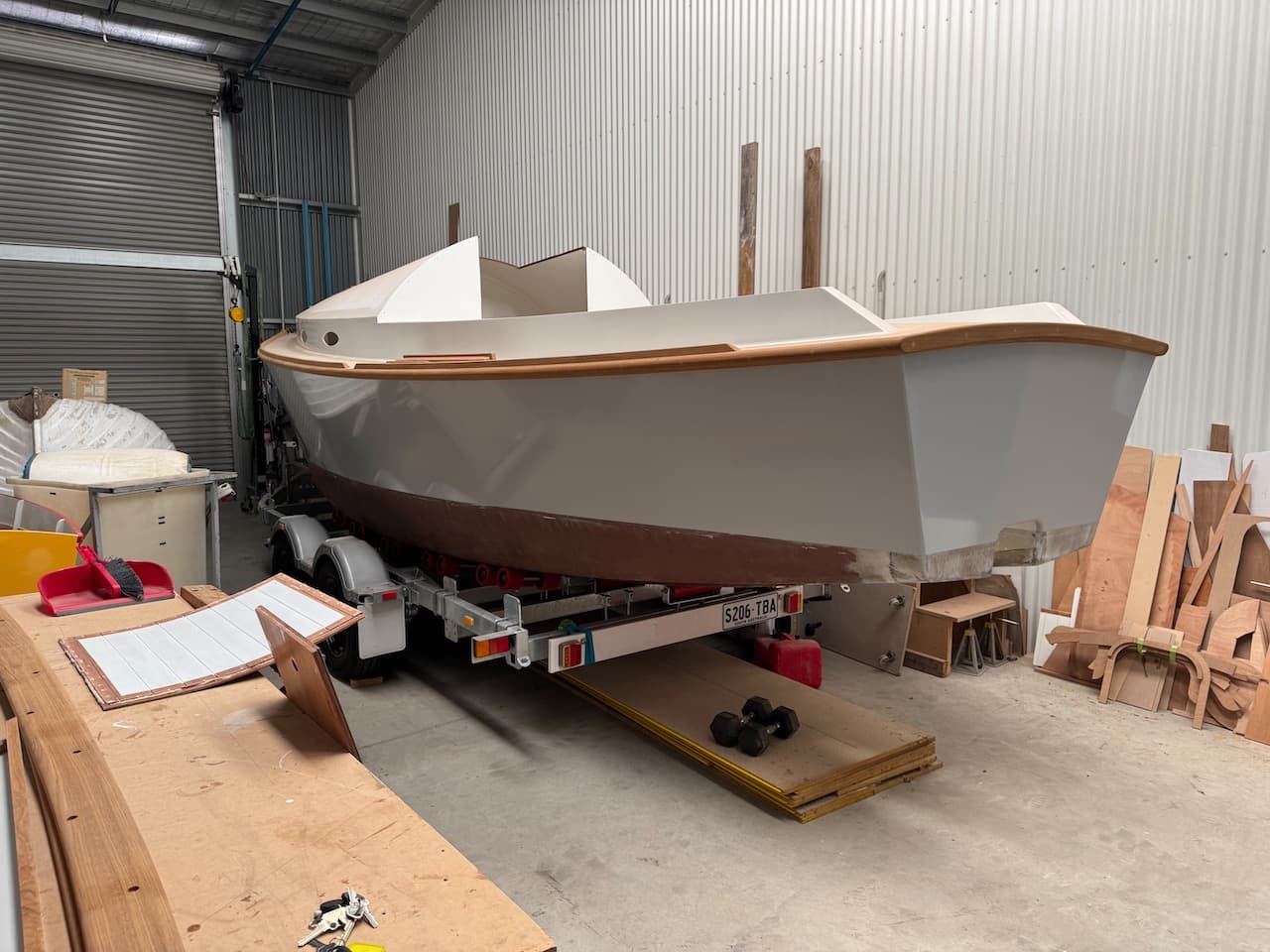
To free up bench and storage space at Adelaide Timber Boatworks, the Sharpie was moved into the adjacent shed No.
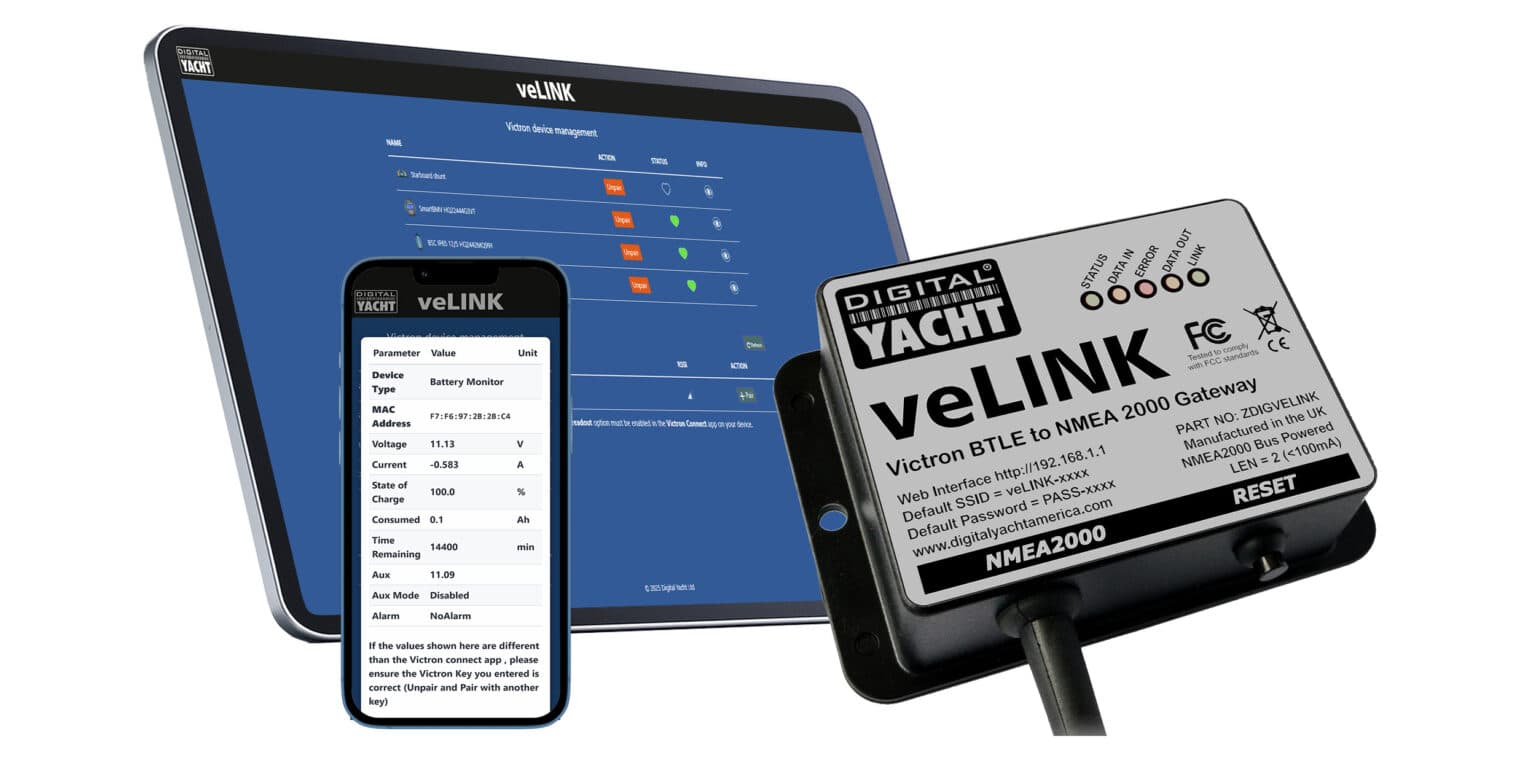
Retrofitting a cruising yacht’s electrical system often requires running extra cable runs and adding network drops; by using Digital Yacht’s veLINK Bluetooth Low Energy bridge, installers can remove the need for additional wiring, reduce installation labor, and free up NMEA 2000 backbone ports for other devices.
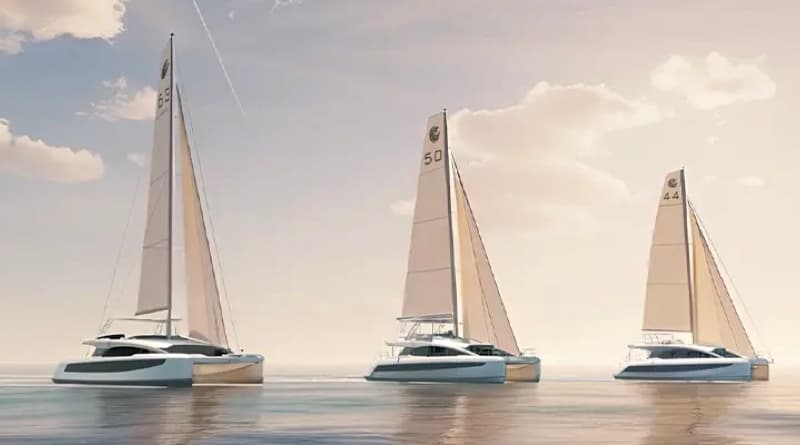
The Aquila shipyard operates on a 27-acre (110,000 m²) production site with a skilled workforce of 510 tradespeople, producing one-piece molded hulls, decks and bulkheads under temperature- and humidity-controlled conditions to ensure consistent output for both power and now sailing catamarans.
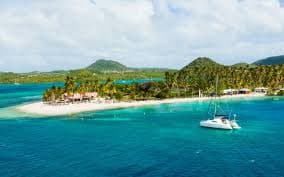
December–April trade winds, often steady at 10–18 knots, combined with direct flight times of around 8–10 hours to Antigua, Grenada and St Lucia, make these islands efficient logistics hubs for winter yacht charters and seamanship planning.
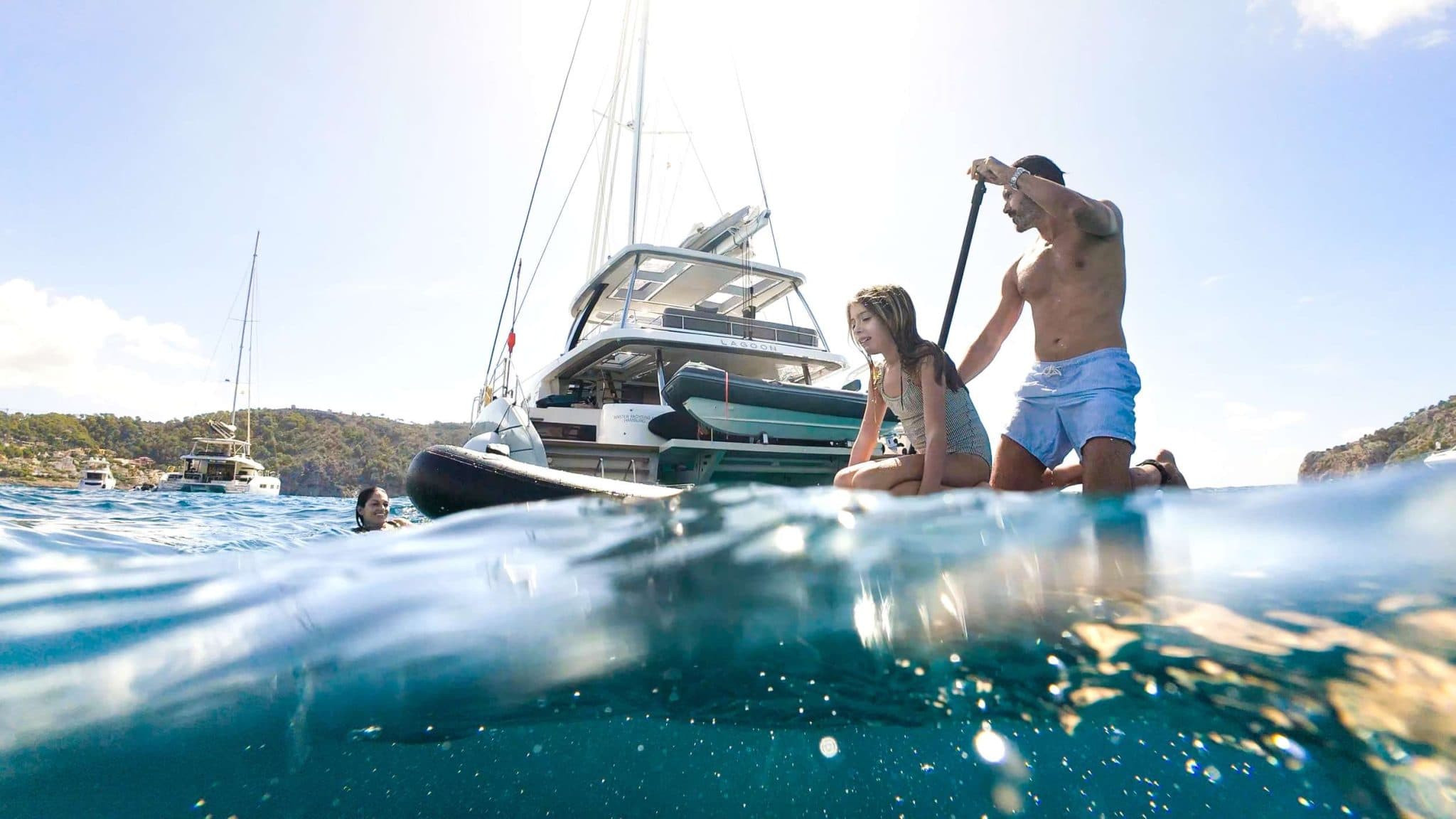
A standard 50‑foot motor or sailing yacht charter typically requires a minimum crew of two (a captain and at least one deck/chef steward), provisioning lead time of 48–72 hours, and port clearance paperwork that can add 1–2 business days depending on the country and marina.
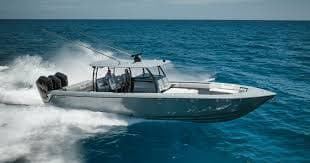
On January 22 from 17:00 to 21:00, a dockside showcase will take place at The River House on the Intracoastal Waterway in Palm Beach Gardens, with vessel access available both by tender and by land; visiting skippers should note typical Intracoastal tidal windows and plan arrivals to fit the dock slip dimensions and transient mooring rules in the area.
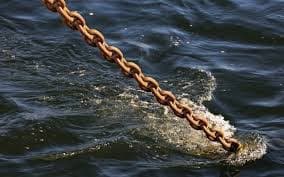
On the east coast rivers of England, successful short passages depend on precise tidal planning, knowledge of holding ground and adequate anchor scope: expect sticky estuarine mud with high holding, plan to anchor on a falling or slack tide where possible, and allow at least a 5:1 scope in calm conditions and up to 7:1 in strong winds or exposed waters.
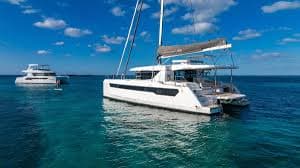
Leopard Catamarans now produces the Leopard 46 at a spec weight of approximately 17,000 kg, built in a single mould with stub keels and designed to serve both charter fleets and private owners; the model launched to replace the Leopard 45 and benefits from mass-production economies that underpinned Robertson and Caine’s rise alongside fleet partners The Moorings and Sunsail.

Sheltered anchorages in Sognefjord, Geirangerfjord and Nærøyfjord typically show depths from 10–50 m, narrow approach channels under 200 m in places, and local tidal flows that can reach 1–2 knots through constrictions; masters should monitor VHF Channel 16 and AIS, plan for limited turning room, and carry a spare anchor with adequate scope for steep-sided, deep-bottomed coves.