Noticias
Knot Speed Explained for Sailors and Renters
A vessel maintaining 6 knots for one hour moves approximately 6 nautical miles, which equals about 11.1 km/h (6 × 1.852).
6 min·
12934 artículos
A vessel maintaining 6 knots for one hour moves approximately 6 nautical miles, which equals about 11.1 km/h (6 × 1.852).
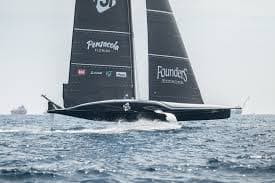
Port logistics and freight timing for high-value foiling platforms have become a central concern after American Magic’s withdrawal from the 38th America’s Cup, because transporting multiple AC75 hulls, wing masts and spare foils between regatta venues requires specialised cradles, oversized containers and precise berth allocation at host marinas like Barcelona and Naples.
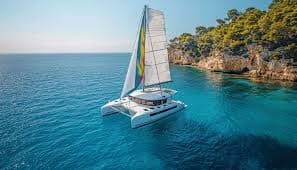
Many Mediterranean ports enforce documented proof of competency for charter logistics: a recognised licence such as an ICC or RYA certificate, local endorsements and demonstrated experience affect berth allocation, insurance clearance and provisioning arrangements—requirements that directly change whether a group can opt for a bareboat or needs a skippered charter.
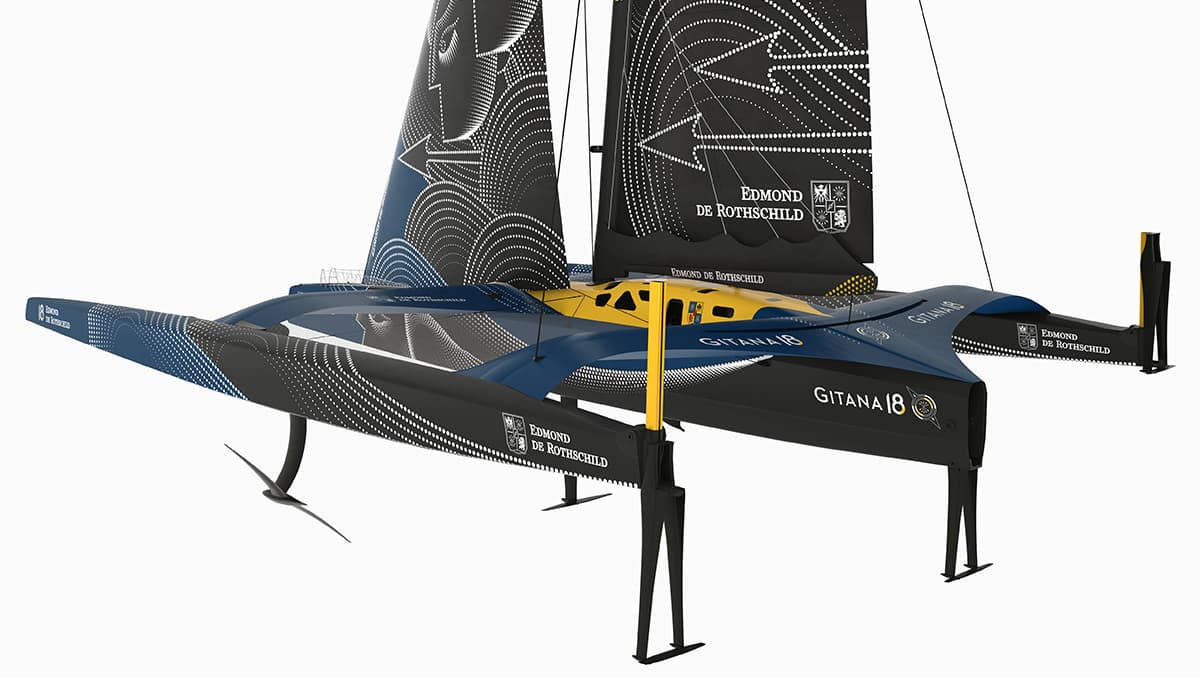
At the Lorient team base the new Gitana 18 was assembled using heavy‑lift cranes and specialized cradles to position the enormous swinging arms that support the 5m‑span Y‑foils, underscoring the logistical complexity of handling next‑generation Ultim appendages in a commercial shipyard environment.
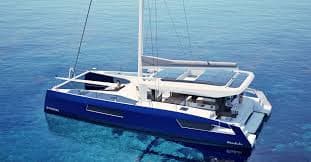
Carbon-fibre semi-custom builds like the Y Yachts Y6 (64ft) and basalt-composite catamarans such as the Windelo 62 are driving longer workshop lead times and evolving supply-chain logistics across European boatyards.
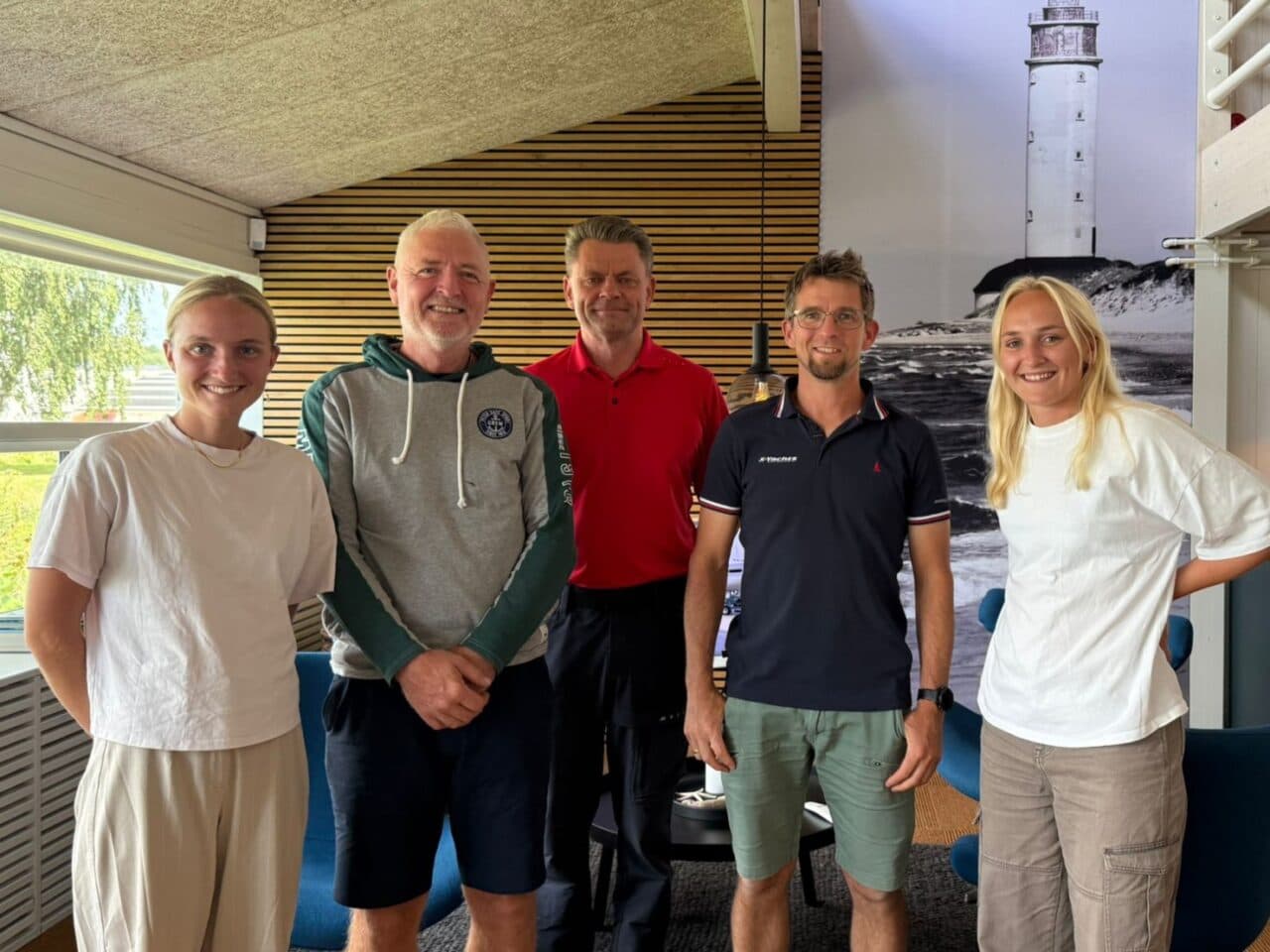
The Xc 47 completed an 11-month, multi-leg voyage that included a 17-day transatlantic passage from Sint Maarten to Horta, provisioning cycles planned roughly every three months, and coastal navigation through Ireland and Scotland, demonstrating the logistical profile required for long-distance family cruising.
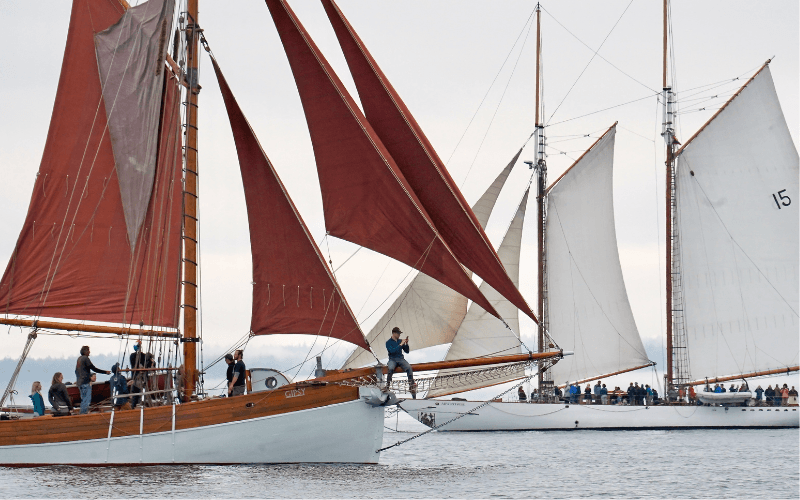
Port Townsend Marina handled berthing and onshore logistics for more than 300 vessels and accommodated an estimated 20,000 visitors during the 48th Wooden Boat Festival, placing exceptional demand on dock space, shuttle services, and temporary moorings amid variable conditions created by the Olympic Mountains rain shadow.

Average daily passages on this Phuket circuit run between 15 and 30 nautical miles, summing to roughly 100–130 NM over seven days; main bases for provisioning, bunkering and check-out are Chalong Bay and Ao Po, both equipped with fuel docks, repair yards and customs/harbour offices that operate standard charter procedures for international crews.
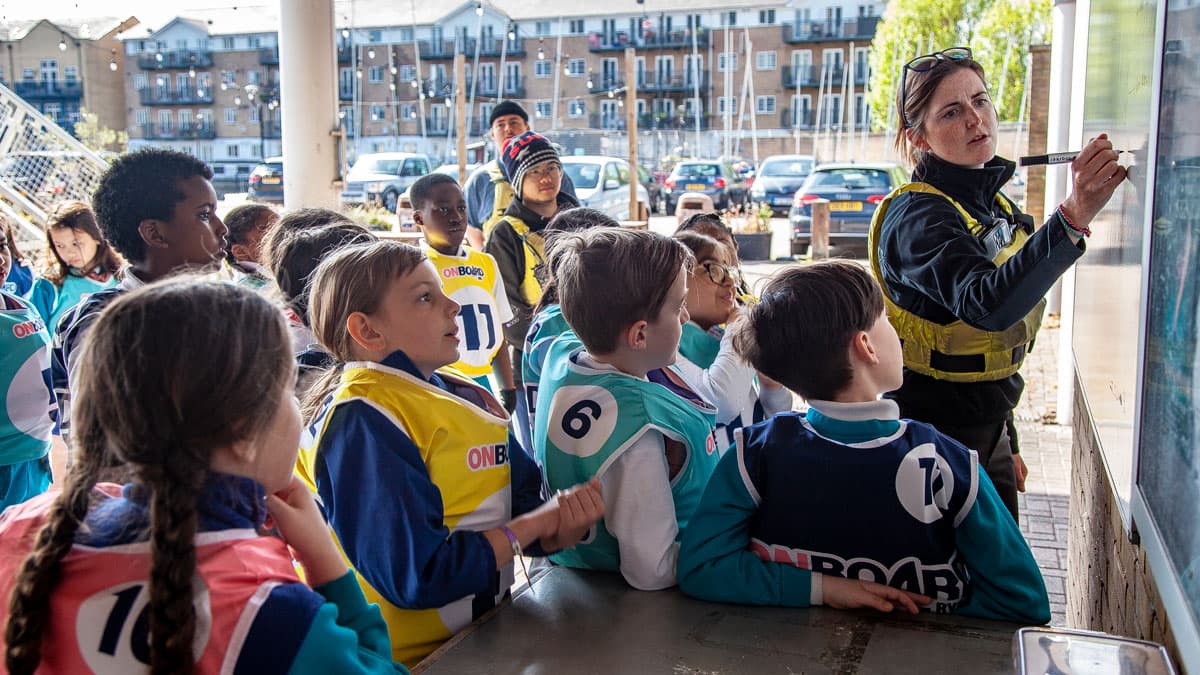
RYA operational metrics paint a stark picture: membership and training throughput are stagnating while volunteer engagement and club attendance show early declines, with the RYA reporting more than 100,000 members, some 24,000 instructors, around 250,000 volunteers and over 2,000 recognised training centres across the UK—figures now under scrutiny as part of a nationwide Reflections on Water survey that opened on 6 November and closed on 8 December.
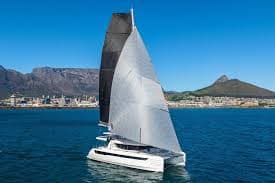
The Leopard 52 builds on the energy-autonomy features of the Leopard 46 by installing integrated solar panels and offering an optional hybrid-electric drive capable of generating onboard power, reducing reliance on ports and fuel deliveries for extended passages or charter rotations.

Most mid-size corporate yachts accommodate 20–100 guests, require pre-arranged port clearance, and must comply with local mooring and tendering rules; planners should budget for a minimum of one licensed captain plus crew per 12–20 guests and ensure crew certifications meet STCW-equivalent standards.
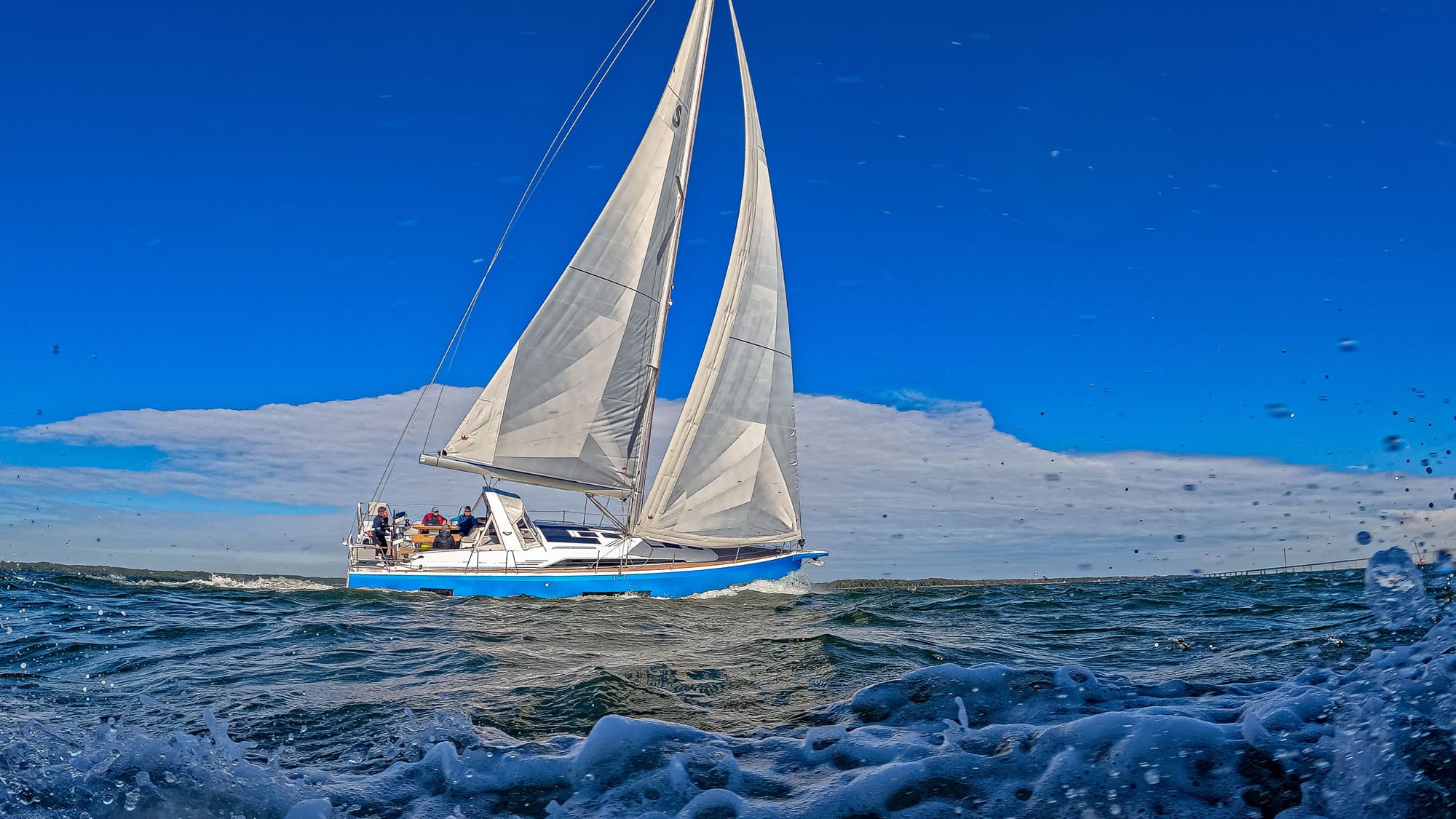
Shipyards are extending delivery windows for many new designs as component shortages and freight constraints continue to influence availability of models such as the Beneteau Oceanis 47 and Lagoon 60, altering charter inventories and the timing for private buyers to take delivery.