How to Lend or Borrow a Boat Without Losing a Friendship
Alexandra
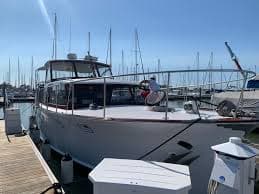
A single uninsured claim after lending a 30-foot boat can exceed $200,000 in third‑party damages, and many standard marine policies will deny coverage if an unauthorized operator is at the helm.
Hard facts about liability and coverage
Boats are high‑value assets with complex systems and exposure to maritime risk. Insurance carriers often tie coverage to named operators or require an operator endorsement. Without explicit policy language, letting a friend take your vessel can unintentionally transfer repair bills, medical claims, and legal fees straight to the owner.
Maritime attorney Scott Bluestein emphasizes that the safest route is to confirm whether a borrower is listed on the policy and whether the intended use (leisure, charter, or commercial activity) is allowed. If you run a rental or charter operation, commercial endorsement and proper documentation are non‑negotiable.
📚 También te puede interesar
Written agreement: the backbone of any loan
Verbal promises rarely hold up when damage, scheduling conflicts, or maintenance disputes appear. A short, signed document outlining responsibilities prevents small annoyances from becoming relationship wreckers. Think of it as a captain’s checklist for the friendship.
- Operator qualifications: required license, minimum hours on type, or required training.
- Insurance and endorsements: who is covered, limits, and contact info for the insurer.
- Operational limits: geographic boundaries, weather minima, and no‑go rules at night or in certain seas.
- Fuel, cleaning, and maintenance: who refuels, who cleans, and how routine issues are handled.
- Liability and indemnity: who pays for damages and how disputes are resolved.
Operational safety: a short checkout prevents long headaches
Even experienced skippers can be surprised by a different helm layout, electrical panel, or engine idiosyncrasy. A formal checkout process should include a hands‑on orientation, a demonstration of the borrower’s competence with critical systems, and a review of emergency procedures.
- Walkthrough of electronics and engine controls.
- Demonstration of docking and anchoring procedures in calm conditions.
- Review of life‑saving equipment locations and VHF radio use.
- Signoff confirming borrower accepts the owner's operational rules.
Financial realities owners often miss
Standard policies can exclude use by unauthorized operators or for commercial hire. Owners should consult an insurance broker to discuss options like a short‑term operator endorsement or excess liability (umbrella) coverage. Otherwise, the borrower’s negligence can trigger an uninsured loss, and the owner could face out‑of‑pocket repair costs, third‑party claims, or litigation.
Sample operator endorsement comparison
| Endorsement Type | Coverage Scope | Typical Cost |
|---|---|---|
| Named Operator | Covers specific individuals only | Low–Medium |
| Licensed Operator Addendum | Covers anyone with verified license | Medium |
| Short‑term Borrower Coverage | Temporary protection for guest operators | Varies by insurer |
Interpersonal rules that keep friendships afloat
Many disputes are less about law and more about expectations—cleaning habits, fuel levels, or perceived carelessness. Clear, simple rules go a long way. Discuss the small stuff before you hand over the keys: who pays for fuel, whether pets are allowed, and how to report dents or collisions.
Consider these quick ground rules to include in any borrowing arrangement:
- Refuel to the same level as when received.
- Document pre‑ and post‑use condition with photos.
- Respect agreed mooring or marina rules.
- Agree on a process for covering minor maintenance and punitive damages.
Alternatives to informal lending
If splitting costs and responsibilities sounds complicated, explore structured options. Boat clubs, fractional ownership, or formal charter arrangements offer standardized maintenance, scheduling systems, and professional management—often at the cost of less personal control. Sites and services such as nauticalmonkey.com and platforms for yacht charters remove the casual‑lending gray area entirely.
Practical tips for renters and borrowers
Borrowers should never assume permission extends beyond what was agreed. Ask to be added to the owner’s policy, request a checklist, and insist on a brief hands‑on orientation. If planning to rent a yacht or boat through a peer platform or charter broker, confirm who the captain is, what liabilities you accept, and whether commercial regulations apply.
In short: put it in writing, check your insurance, and run a short checkout. A bit of paperwork and a ten‑minute briefing are far cheaper than a ruined weekend or a fractured friendship — don’t rock the boat when you can simply tighten the lines.
Summary: Lending or borrowing a yacht or smaller boat requires clear agreements, proper insurance (including possible operator endorsements), and a formal checkout to verify competence and operational rules. Whether you're arranging a casual loan, a boat charter, or exploring boat rent and yacht charter options through marinas or platforms, applying these steps protects owners, borrowers, and friendships. Key terms to remember: yacht, charter, boat, beach, rent, lake, sailing, captain, sale, Destinations, superyacht, activities, yachting, sea, ocean, boating, gulf, water, sunseeker, marinas, clearwater, fishing.


