New Olympic finals proposal sparks pushback from Beckett and Gimson
Alexandra
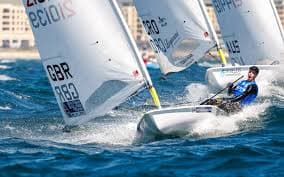
World Sailing’s 52‑minute TV window and sudden‑death finals
World Sailing has proposed that the entire finals sequence fit into a 52‑minute broadcast package and that the winner of the last race be the overall champion. The combination allows formats such as a four‑boat, zeroed‑score, short final (roughly 10–11 minutes) where the first across the line takes gold and the remaining podium places can be decided by earlier series rankings or not at all. That regulatory push—driven by broadcast scheduling and IOC/OBS demands—has triggered strong reactions from athletes who say it undermines the week‑long merit model of Olympic sailing.
Two binding criteria
The proposed rules introduce two hard constraints for any new Olympic sailing final:
- Final‑race decisive: the winner of the last race must be the overall winner.
- TV timing: the final format must be compressible into a 52‑minute media package.
Why elite sailors are pushing back
Top athletes such as Micky Beckett (ILCA 7) and John Gimson (Nacra 17) have publicly objected to proposals that convert regattas from cumulative scoring events into short, winner‑takes‑all spectacles. The traditional Olympic format rewards consistency across a week of fleet racing: sailors manage risk, prioritize low scores, and aim for a string of solid results. A one‑race decider shifts emphasis to sprint tactics, local conditions and the vagaries of a single start, which many feel is not reflective of sailing skill over an event.
📚 También te puede interesar
Practical examples and recent experiments
Formats similar to the proposed finals have already been trialed in certain classes. The iQFOiL windsurfer event at Paris 2024 introduced TV‑friendly eliminators. At some class world championships, event organisers have experimented with schemes like the so‑called “Gimson Format,” a compromise developed in the Nacra 17 community where the finishing order of the final determines gold while silver and bronze are decided by prior series rankings. That approach aims to preserve some reward for week‑long performance while meeting the need for a decisive, marketable finale.
| Format | Score reset? | Final duration | Medal determination | Perceived fairness |
|---|---|---|---|---|
| Traditional cumulative series | No | Variable | Overall lowest points | High |
| Four‑boat zeroed sudden‑death | Yes | ~10 minutes | Finish order in final | Contested |
| Gimson Format (hybrid) | Partial | ~11 minutes | Gold by final, other medals by series | Moderate |
Arguments from both sides
Proponents of TV‑shaped finals stress the need to make sailing legible to a wider audience, to secure broadcast revenue and to protect the sport’s place in the Olympic programme. They argue that concise, dramatic finals create storytelling moments that attract viewers and sponsors. Opponents counter that sailing’s core integrity lies in multi‑race scoring and variable conditions; reducing medals to a short match or sprint increases randomness and rewards teams who specialise in spectacle‑focused tactics rather than consistent performance.
Operational and tactical consequences
From an operational standpoint, a sudden‑death final changes logistics: race committees must stage short, spectator‑friendly courses, fleets might be shuttled to predetermined broadcast zones, and safety and rescue coverage has to be concentrated. Tactically, sailors may shift training toward high‑intensity starts, match‑race boards and short‑course boat handling. For class associations and coaches, selection policies and athlete programming might be revised to favour sprinters.
Impacts on the grassroots and charter markets
These elite format debates can ripple down the sailing ladder. A public appetite for short, televised finals could drive more spectator events, coastal short‑course regattas, and charter opportunities tailored to casual audiences. Marinas and charter operators might stage exhibition races, offering fleet spectatorship from rented motorboats or superyacht decks, which could influence demand for short‑term rentals and day charters.
What Beckett and Gimson proposed instead
Beckett has urged sailor involvement in format decisions, arguing that athletes should determine tolerable trade‑offs between spectacle and fairness. Gimson helped craft a compromise format for certain world championships that attempts to balance both aims: a short broadcast‑friendly final that can decide the gold while still honoring series performance for other podium places. The compromise is imperfect but illustrates an engaged athlete community seeking workable alternatives rather than outright rejection.
Key takeaways for event organisers and sailors
- Transparency: clearly communicate how finals affect medal allocation.
- Testing: trial hybrid formats in non‑Olympic events before adoption.
- Safety and logistics: ensure rescue coverage for short, intense finals in difficult conditions.
- Stakeholder input: involve athletes, class associations, broadcasters and the IOC in a structured consultation.
The debate matters beyond elite sport because it shapes the spectator product and the market for maritime leisure activities. If sailing moves toward short, dramatic finals, broadcasters and promoters may drive demand for more spectator‑oriented coastal events, affecting where charter fleets operate and how coastal marinas schedule activities. That said, many sailors and coaches remain skeptical that true merit should be sacrificed for a television slot.
To plan for these possible changes, coaches, class managers and venue hosts should model scenarios for scheduling, safety, and spectator access, while fleets and charter companies can consider adaptable offerings for both traditional regattas and short‑course spectacle events.
If you are planning your next trip to the sea, you should definitely consider renting a boat (boat rentals, rent a boat, rent a yacht), as each inlet, bay, and lagoon is unique and tells you about the region just as much as the local cuisine, architecture, and language and also the unique aspects of the service. GetBoat.com
Provide a short forecast on how this news could impact the global tourism and travel map: the direct global impact is modest because Olympic format changes primarily affect elite competition and broadcasters, but there will be local effects where spectator‑friendly finals encourage coastal events and charter activity. Start planning your next seaside adventure and make sure to book the best boat and yacht rentals with GetBoat before the opportunity sails away!
Summary: World Sailing’s push for a 52‑minute, winner‑decides final has exposed a clear tension between broadcast imperatives and sporting fairness. Athletes like Micky Beckett and John Gimson have advocated for formats that preserve week‑long merit while allowing spectator drama, producing compromises such as the Gimson Format. Event organisers, coaches and the charter industry should prepare for both logistical shifts and new market demand. For sailors and leisure sailors alike, the outcome will shape regatta formats, spectator events, and opportunities for yacht and boat charter around marinas, gulfs and clearwater bays. GetBoat supports transparent, convenient access to boats, yachts and sailing options worldwide, helping sailors and holidaymakers find the right vessel for their budget and taste—yacht or small boat, captained charter or bareboat rental—so you can enjoy the sea, the sun and great boating activities. Sail on.