Why Catamaran Cruising Differs from Traditional Sailboat Sailing
Alexandra

Aboard a catamaran, sailors often experience a fundamentally different style of sailing compared to traditional monohull sailboats. The first and most obvious difference lies in the design; catamarans feature two parallel hulls that deliver enhanced stability and speed. This dual-hull configuration not only reduces the drag while sailing but also allows for a more efficient use of wind, making it an ideal choice for those looking to explore new cruising grounds swiftly. In comparison, traditional sailboats usually have a single keel and can be prone to heeling, meaning they often tilt or lean to one side when under sail, which can impact speed and comfort for guests aboard.
Another key difference is the living space and layout of the boat. Catamarans typically offer more spacious interiors and wider deck areas, providing ample room for guests to move around without feeling crowded. This extra space is especially valuable during long voyages, where comfort becomes essential. The arrangement of cabins and communal areas on a catamaran fits a style of cruising that encourages social sharing, making it possible for sailors to enjoy the whole experience more fully. The weight distribution in a catamaran allows for better balance, contributing to a stable ride even in stronger winds.
Moreover, the racing aspects of catamaran sailing cannot be overlooked. With their double hulls, catamarans can achieve faster speeds, making them a preferred option for competitive sailors looking to book a spot in regattas or events. The ability to sail efficiently and maintain speed over longer distances–sometimes faster than monohulls–results in catamarans being an advantageous option for those wanting to cover more miles in a shorter period. Understanding these differences between catamaran cruising and traditional sailboat sailing can significantly influence a sailor's choice of vessel and the overall cruising experience they wish to embark on.
📚 También te puede interesar
Understanding Catamarans and Traditional Sailboats
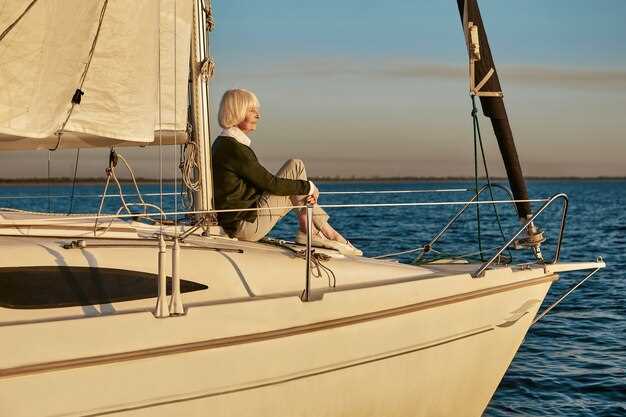
Catamarans are designed with two parallel hulls, offering a stable and spacious ride that feels more comfortable in choppy waters compared to traditional sailboats, which typically have a single hull. This design not only provides more room for accommodation and amenities but also means there's a variety of configurations available to suit different groups aboard. A catamaran skipper might find it easier to control the vessel while downwind, maintaining higher speeds of at least 10 knots without the usual heeling associated with monohull sailboats. The stability of catamarans allows for a practical setup of decks and spaces, making it possible to enjoy the time spent on the water without the concern of balancing on a narrow hull.
On the other hand, traditional sailboats, originally designed for single-hull sailing, often require more extensive sailing skills and knowledge for handling, especially in windy conditions or when the sea gets choppy. The experience of heeling can be disconcerting for some, as the boat leans significantly while under sail. However, for many sailing enthusiasts, the charm and heritage connected to monohulls remain appealing. While they might not deliver the same level of comfort as catamarans, traditional sailboats often provide an intimate connection to the water and environment, appealing to those who prefer a more classic sailing experience. Regardless of the choice, both types of vessels offer unique journeys that cater to different sailing styles and lifestyles.
What Defines a Catamaran?
A catamaran is a multi-hulled vessel characterized by its two parallel hulls, which sets it apart from traditional monohulls. This design offers several advantages that significantly impact performance and sailing experience. Catamarans are typically more stable on the water, making them a preferred choice for both experienced sailors and those new to the sailing world. Their wider beam provides a greater deck space, which can enhance comfort for passengers.
One reason many vacationers decide on catamarans is their spaciousness. Unlike monohulls, which have a single hull and limited deck area, catamarans often feature expansive decks where outdoor activities can take place. The added cabins below deck provide a comfortable living space for longer trips, making them ideal for family vacations or trips with friends.
In comparison to monohulls, catamarans offer impressive speed and efficiency. With a lighter construction and dual hulls, they can achieve high speeds with less resistance, which is especially beneficial when racing or sailing in variable conditions. This performance advantage means that sailors can cover more distance in a shorter amount of time, leaving more time to enjoy the open sea.
- Stable motion, which gives a comfortable feel even in choppy waters.
- Access to smaller, less crowded areas that monohulls may not navigate as easily.
- The ability to avoid rougher conditions, enhancing the overall sailing experience.
Catamarans also provide a distinct style of sailing. With dual helms, captains can enjoy a 360-degree view while controlling the vessel, allowing for better seamanship and decision-making in real-time situations. This setup can greatly enhance the thrill of sailing, as sailors feel much more connected to the elements around them.
For those who prefer outdoor lifestyles, catamarans represent a versatile platform that can be adapted for various activities. Whether it’s sailing close to shore, accessing hidden coves, or spending a day racing on the open sea, these vessels are well-equipped to handle diverse conditions. As a result, many owners appreciate the flexibility they offer in terms of where to sail and how to spend their time on the water.
In conclusion, catamarans are not just about speed and stability; they embody a lifestyle and a way of approaching sailing that appeals to many. By choosing a catamaran for their trips, sailors not only enjoy the performance benefits but also the unique access and comfort that such vessels provide. As the sailing season approaches, opting for a catamaran could indeed make for a memorable vacation experience.
Key Features of Traditional Sailboats
Traditional sailboats have distinct characteristics that set them apart in the world of boating. The design usually emphasizes a single hull, which provides a unique feel when sailing. These vessels are built for performance and balance, especially when heeling during a sail. Sailors appreciate the efficient design that allows for a direct connection with the water. Unlike catamarans, which offer a wider beam and stability, traditional sailboats can rise and navigate through rough weather conditions with grace.
Another key aspect is the sail plan, which typically incorporates a mainsail and one or more headsails. This configuration means that sailors can adjust the rigging for optimal performance in various wind conditions. The simplicity of a traditional rig allows for easier handling, making it possible for those new to sailing to learn the basics without overwhelming complexity. Furthermore, the style of sailing on these boats offers a classic experience, with a sense of adventure that resonates with both seasoned sailors and novices alike.
| Feature | Description |
|---|---|
| Hull Design | Single hull, offering a streamlined shape for a great ride. |
| Sail Configuration | Mainsail and headsails allowing for optimal wind adjustment. |
| Maintenance | Generally easier to maintain, thanks to straightforward systems. |
| Weather Capability | Designed to handle rough weather conditions effectively. |
Despite the rise of catamarans in popularity, traditional sailboats remain a reliable option for enjoying the thrill of sailing. They combine elegance with tradition, offering a sailing experience that many find unmatched by the more modern style of cruising. These vessels allow for a more personal experience on the water, often fostering a deeper relationship with nature. For sailors looking to connect with the origins of boating, traditional sailboats present a perfect vessel, continually appreciated for their fast, efficient sailing capabilities and rich history.
Construction Differences: Hull Design and Materials
Catamarans and traditional sailboats differ significantly in their hull design and materials, influencing performance and user experience. The unique hull configuration of a catamaran, which often features two parallel hulls, provides enhanced stability and space. This design allows for a more comfortable ride, particularly in rough seas, where monohulls might experience heeling that could induce seasickness for sensitive sailors. For anyone considering a trip aboard a yacht, the layout of a catamaran can be far more appealing, as it offers additional room for guests and creates ideal spaces for relaxation.
In terms of materials, catamarans often incorporate advanced composite materials like fiberglass and carbon fiber, which contribute to lighter, stronger structures. This contrasts with traditional wood or heavier fiberglass monohulls, which can require more maintenance to ensure durability. With a well-constructed catamaran, owners can rest assured that their vessel can endure various conditions while offering excellent performance under sail. The focus on lightweight materials means that catamarans can achieve higher speeds, reaching up to ten knots with the right wind conditions, making them suitable for chartering and recreational use.
One notable feature of catamarans is their shallow draft, which allows for better access to areas that monohulls would typically avoid. This characteristic enables sailors to get closer to shore, enhancing the experience of a beach vacation or exploration of remote regions. Plus, the design eliminates the need for a deep keel, making it easier to maneuver in tight spaces and avoid obstacles underwater. This factor plays a significant role in choosing a rental for a sailing trip, especially for less experienced sailors.
When comparing the handling characteristics, catamarans provide a level of control that is particularly beneficial for novice sailors. The twin hull design minimizes the heeling effect, allowing for a more stable ride that is easier to manage in various wind conditions. Additionally, this stability makes it easier for guests aboard to enjoy the journey without worrying about a sudden tilt. For those who prefer smooth sailing, these aspects elevate the overall experience.
Furthermore, the layout of a catamaran can be beneficial for those who enjoy socializing while sailing. The wide beam not only contributes to stability but also creates ample deck space for activities. Sailors can gather on the deck or within a spacious cuddy, making it ideal for events and gatherings. In contrast, traditional monohulls may not offer the same level of roominess, which could limit interaction and enjoyment during a sailing trip.
Ultimately, when deciding between a catamaran and a monohull, the construction differences play a vital role in the appeal of each type. While monohulls have their charm and traditional sailing feel, catamarans remain a more practical choice for many sailors, especially those chartering for their vacations. With their superior stability, roominess, and efficient use of materials, catamarans often provide a better overall sailing experience for everyone aboard.