Practical Guide to Cruising the UK & Irish Coasts
Alexandra
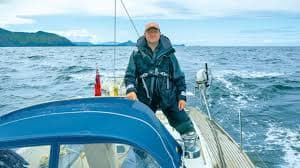
Tidal ranges in parts of the UK can exceed 5m (Solent springs), so plan berthing around low-water depths: a 10–12m yacht typically needs at least 2.5m under keel at lowest predicted tide when using smaller harbours and drying berths.
Solent and South Coast: logistics and bases
The Solent offers dense cruising infrastructure: frequent ferry lanes, multiple marinas and short hops between anchorages. Key charter hubs include Hamble, Cowes (Isle of Wight), Lymington and Portsmouth. For anyone renting a yacht, check each marina’s lock-in/out windows, fuel availability and transit foot passenger connections to the train network.
Lymington Yacht Haven is a top-tier base for short passages and easy transit to London. At the Southampton end, MDL’s Ocean Village Marina caters to larger yachts and superyachts (moorings up to 80m Loa) and offers waterfront amenities for provisioning and crew R&R.
📚 También te puede interesar
Solent cruising highlights
- Chichester Harbour: conservation area with multiple marinas and sheltered anchorages.
- Poole & Jurassic Coast: natural harbours and protected bays for overnight stays.
- Norfolk Broads: specialised craft and inland-river navigation — different style of charter.
Wales and the Bristol Channel: sheltered routes
Wales presents sheltered lines of navigation with deep tidal rivers and rapidly changing weather from the Severn estuary. Use tidal windows carefully when transiting the Bristol Channel; currents can be strong near the Severn Bar.
Notable marinas
Boatfolk’s Portishead Marina (Bristol area) offers ~346 berths and straightforward access to coastal cruising along southern Wales. Penarth Marina provides sheltered berthing at the mouth of the Severn and is convenient for cultural stops and provisioning.
Ireland and Northern Ireland: Atlantic approaches
The west coast of Ireland is characterised by long passages with sheltered loughs and exposed headlands. Popular cruising sections include Galway, Mayo, Clare and Donegal. South-coast runs between Kinsale and Dingle give many short passages and protected anchorages — ideal for first-time offshore crossings.
Northern Ireland marinas
Boatfolk Bangor Marina is a highly rated stop 25 minutes by train from Belfast, a convenient launch pad for crossings to Portpatrick and Scottish west-coast destinations.
Scotland: islands, lochs and tidal planning
Scotland’s Inner and Outer Hebrides, Orkney and Shetland demand attention to tidal streams and weather windows; summer days offer long hours but variable winds. Stromness Marina in Orkney provides all-tide access and is a practical base for northern island cruising and resupply.
Island highlights
- Skye, Mull, Islay, Jura, Bute: anchorages, local distilleries and sheltered harbours.
- White-sand beaches and clearwater coves: ideal for day sails and beaching dinghies.
Charter logistics: what renters and skippers must check
Whether booking bareboat or skippered, confirm the following before signing: berthing fees, fuel policy, insurance excess, in-date safety equipment, and whether the yacht is rated for the proposed routes (exposed Atlantic vs. sheltered Solent).
Essential pre-departure checklist
- Passage plan with tide and stream table for each leg.
- Provisioning and water/fuel capacity for expected distances.
- VHF and backup communications; emergency contact ashore.
- Local pilot guides and paper charts for narrow channels and drying harbours.
- Skipper qualifications or hire of a local captain if unfamiliar with tidal navigation.
| Marina | Location | Facilities | Best for |
|---|---|---|---|
| Lymington Yacht Haven | Solent | Full services, rail link | Solent cruising base |
| Ocean Village Marina (MDL) | Southampton | Superyacht berths, shops | Large yachts, crew comforts |
| Portishead (Boatfolk) | Bristol | Sheltered, 346 berths | Bristol Channel cruises |
| Bangor (Boatfolk) | Northern Ireland | Good facilities, rail link | Irish Sea crossings |
| Stromness Marina | Orkney | All-tide access | Northern isles |
Seasonality and weather windows
Spring through early autumn is the main charter season. The south coast enjoys a slightly longer season; Scotland and western Ireland are best in late spring to early summer for calmer conditions and fewer midges. When chartering, aim for forecast windows and be ready to shift plans — as the saying goes, “plan for the best, prepare for a blow!”
Practical tips for GetBoat renters
- Book marinas with flexible check-in if you expect tidal delays.
- Consider a local skipper for complicated tidal legs — worth every penny.
- Factor in provisioning stops at towns with good seafood and fuel services.
In short, UK and Irish cruising is rewarding but requires careful logistical planning: know the tides, pick the right marinas for your vessel, and arrange provisioning and crew roles before casting off. Whether you’re looking to rent a yacht or charter with a skipper, these waters offer beaches, lochs, islands and unforgettable sailing days — from calm Solent hops to big-ocean legs across the Irish Sea. Yacht hire decisions affecting charter length, crew experience and marina choice will shape your boating itinerary, fishing stops, marina visits and overall yachting activities. The takeaway: check the tide tables, choose your base wisely, and enjoy the sea — make waves, not excuses.


