When a Bertram Met a Rock: Lessons from a Run Aground
Alexandra
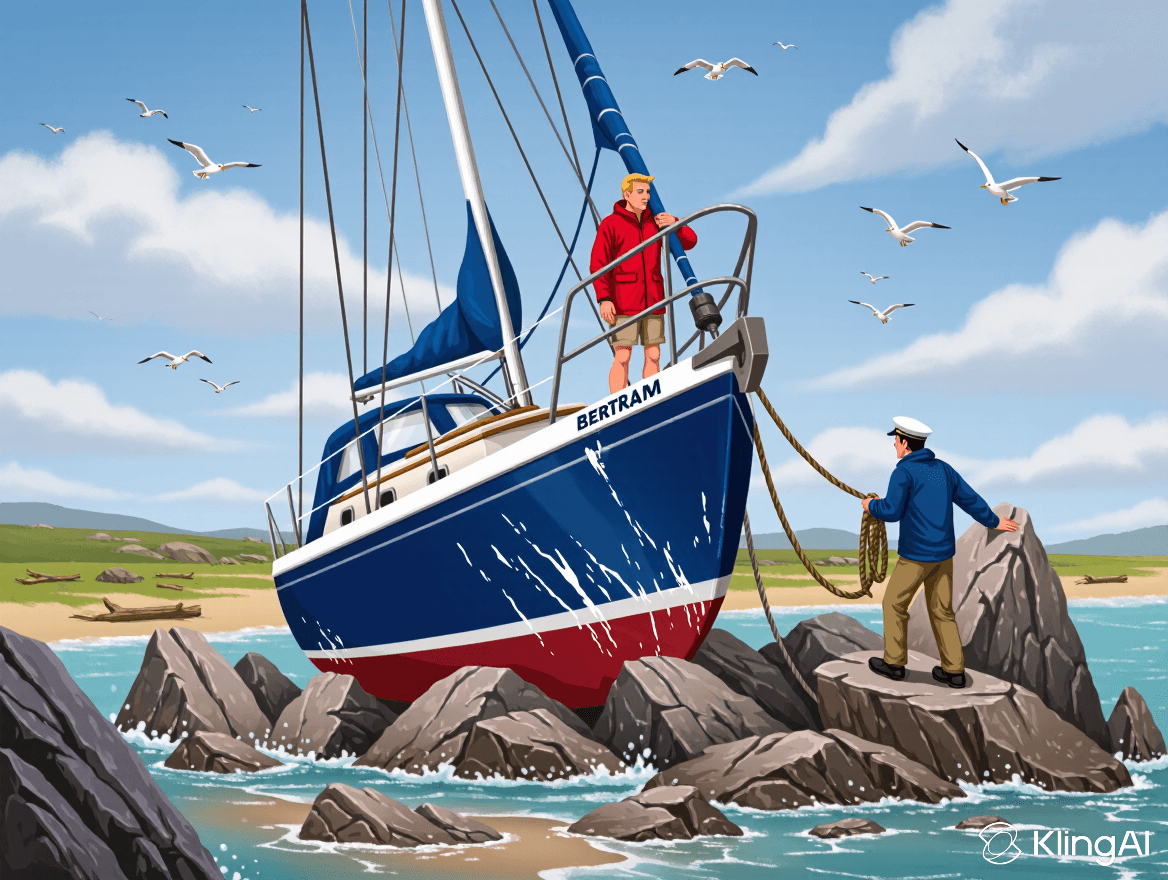
On a mid‑August morning departing the Connecticut River into Long Island Sound, the Bertram Karen Marie experienced a grounding after the depth sounder dropped from 12 to 7 feet and then went blank, producing bronze‑on‑rock impact noises and vibration in the port prop and a pronounced shudder on the starboard side.
Sequence of events
The outing was an impromptu bachelor cruise with a small group that included the groom‑to‑be, Liam. The skipper, Daniel Harding, had the boat trolling under calm skies and clear navigation marks. After landing a single mid‑sized bluefish and switching to fluke jigging, the vessel was eased into what appeared to be a protected, no‑wake anchoring spot just outside the channel. The depth readout fell abruptly and the hull contacted submerged rock while attempting to drop anchor.
Immediate onboard response
Crew and guests checked for ingress and structural breach; no leaks were detected. The engines were used to reposition the boat slowly between the navigation beacons and clear the hazard. The port prop exhibited minor vibration while the starboard prop produced a heavy shudder, indicating prop or shaft issues rather than hull penetration.
📚 También te puede interesar
Passenger dynamics and risk perception
Despite visible embarrassment and frustration from the skipper, the group maintained composure. That social reaction—the mix of ribbing and reassurance—can be part of the recovery process after a grounding and affects decision timelines for inspection, tow, or repairs.
Inspection, recovery and yard support
Post‑event inspection at the marina confirmed propeller damage that required professional attention. The vessel was hauled and surveyed; fortunately, there was no major hull breach. Safe Harbor Dauntless assisted by returning Karen Marie to her slip quickly to preserve a planned family cruise and allow repairs to be scheduled before the next outing.
| Observed symptom | Inspection result | Immediate action |
|---|---|---|
| Bronze‑on‑rock banging | Bottom contact on rock; surface abrasion | Check for leaks; haul if list/vibration persists |
| Port prop vibration | Bent or nicked blades | Professional prop repair or replacement |
| Starboard shudder | Potential shaft misalignment | Dockside engine run and yard alignment check |
How the marina helped
The boatyard’s offer to keep the vessel in a slip during repairs allowed the owner to preserve planned family time nearby and minimized downtime. That kind of goodwill from marinas often proves decisive for crews juggling limited cruising windows.
Practical lessons for skippers, charter operators and renters
Groundings happen to nearly every boater—there are two kinds of boaters, as the old saying goes: those who’ve run aground, and liars. The incident highlights several operational and logistic points that matter for yacht owners, charter companies and renters alike.
- Confirm depth and chart data—especially near channels and no‑wake areas where shoals can migrate.
- Maintain functional backups—redundant sounders, handheld GPS, and up‑to‑date paper charts reduce single‑point failures.
- Communicate with marinas and local pilots—local knowledge often spots transient hazards not shown on charts.
- Have a contingency plan—towing, haul‑out, and repair contacts should be on speed dial for charters and private owners.
- Customer relations matter—how a charter operator handles an incident can preserve future bookings and reputation.
Checklist for rental and charter fleets
- Pre‑departure briefing includes shallow‑water contingency and emergency contacts
- Verify electronic instruments and backup paper charts
- Confirm local towing and yard availability
- Document any contact with photos and logbook entries
From a maintenance standpoint, propeller inspection and shaft alignment are the first priorities after grounding; hull surveys and sonar checks follow. For a berth‑based operator or captain, minimizing repair time and preserving guest plans requires decisive liaison with marinas and yards, as happened with Safe Harbor Dauntless for the Karen Marie.
Operational takeaways and human factors
Beyond the hardware, the human element is key: a calm, transparent response keeps passengers reassured and helps owners avoid escalation. Also remember that small mishaps often become the best stories for the dockside barbeque—every cloud has a silver lining, as they say.
In short, running aground on a day that began with high spirits and a lucky bluefish serves as a reminder to respect charts and instruments, keep contingency plans current, and cultivate reliable marina and yard relationships. Those steps protect your yacht or charter boat, support guest experience, and reduce downtime between sailing, fishing, and cruising Destinations.
Final wrap‑up: the Karen Marie incident underscores that careful navigation, redundant equipment, and prompt marina support can turn an embarrassing grounding into a repairable episode without jeopardizing a family cruise or charter schedule; lessons here apply to any yacht or boat owner, captain, or rental operator planning time on the sea, ocean, gulf, lake or marinas—whether you’re after fishing, boating activities, yachting adventures or a superyacht charter, keep your crew ready, instruments tuned and your local yard contact handy so that rent, sale or recreational trips stay on course under sunseeker skies and clearwater horizons.


