Explore the Rich History of Hampton Court Palace - A Royal Gem of England
Alexandra
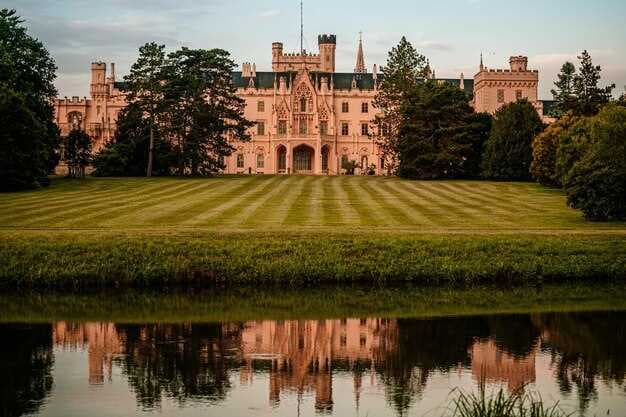
Hampton Court Palace stands as a testament to the vibrant history of the English monarchy, showcasing the grandeur and ambition of those who once ruled. Built during the early Tudor period, this magnificent structure took on a variety of roles, transforming from a royal residence into a symbol of power and heritage. As we delve into its rich past, it becomes clear how this extraordinary palace continues to attract supporters and visitors alike, fascinated by its stories of love, betrayal, and ambition.
The journey through Hampton Court begins at the iconic gate, a well-preserved entrance that invites passengers into a world of opulence and drama. Those who enter soon find themselves under the magnificent hammerbeam roofs and exquisite gardens, designed to evoke a sense of awe that has persisted for centuries. It was here that many key figures in history, including Anne Boleyn, once walked the halls, their lives intertwined with the crown and the turbulent state of the nation.
In contrast to the slick, modern attractions of London, Hampton Court offers a glimpse into a time when the monarchy wielded absolute power over life and culture in England. The palace’s design and construction reflect the influence of both Catholic and Protestant values, and it continues to serve as a reminder of the complex fabric that makes up Britain's history. Each year, this royal gem hosts annual events and conferences, celebrating its legacy while drawing in crowds from overseas and nearby Connecticut alike.
📚 También te puede interesar
However, the story does not end here. The hallways echo with the whispers of those who lived and loved within its walls, cementing Hampton Court's status as a primary attraction in the ever-evolving landscape of historical sites. As we journey through time, we will uncover the events that shaped this cherished palace and explore how its unique heritage continues to resonate with visitors looking to connect with the past.
Historical Timeline of Hampton Court Palace
The history of Hampton Court Palace is rich and multifaceted, starting with its construction in the early 16th century. Originally built in 1515 for Cardinal Thomas Wolsey, the palace was designed to be a grand residence that showcased the Renaissance styles of the time. However, the trajectory of the palace would soon change dramatically upon Wolsey's fall from grace in 1529, when it was handed over to King Henry VIII.
Henry VIII transformed Hampton Court into a royal palace, adding remarkable features and rooms that supported his lavish lifestyle. This period marked a major shift, as the palace became a hub for royal events and gatherings. The Tudor style of architecture, highlighted by the iconic towers and intricate staircases, became a defining characteristic of the palace during this time.
In the years that followed, Hampton Court continued to evolve. Queen Mary II and her husband, King William III, made significant renovations in the late 17th century, introducing a baroque style that contrasted sharply with the earlier Tudor aesthetics. Their efforts aimed to impress both the public and the court, establishing Hampton Court as a prominent fixture in the royal landscape of England.
The 18th century saw Hampton Court hosting a variety of events, from grand balls to intimate conferences. Within these walls, prominent figures from both England and abroad would gather. The royal residence became a sought-after resort for the elite, exemplifying the changing dynamics of royal life. The dedication to performance and grandiosity continued under successive monarchs.
Throughout the 19th and 20th centuries, the palace faced periods of frustration and neglect, leading to debates about its future and public access. However, efforts to restore and preserve the site gained momentum, allowing visitors from around the world, including America, to experience its grandeur. The palace has become more than just a royal residence; it is a source of cultural heritage.
In recent years, renovations and exhibitions have breathed new life into Hampton Court. With many of its historical rooms open to the public, attendees can now explore the vast inner workings of the palace. Events such as candlelight tours and exhibitions showcase the estate's long-standing legacy while highlighting the stories of its past inhabitants, like Anne Boleyn and other royals.
The palace stands today as a testament to the rich layers of history that have unfolded over centuries. Its walls have seen the rise and fall of kings and queens, moments of triumph and despair, and a continual search for identity amidst the changing tides of British history. As a result, Hampton Court Palace remains a pivotal example of England's royal heritage.
Looking towards the future, efforts to engage younger generations in the history of the palace are underway. Educational initiatives allow students to explore its significance in a modern context. The ongoing commitment to enhance visitor experience reflects a dedication to keeping these historical narratives alive for years to come.
The Tudor Era: Henry VIII's Influence
Henry VIII's reign marked a pivotal point in the history of Hampton Court Palace, during which the location transitioned from a former residence of Cardinal Wolsey to a royal palace presided over by the king himself. Opened as the embodiment of opulence, it saw daily life filled with activity, with hallways echoing the laughter of attendees enjoying extravagant banquets. Henry's influence began in the early 16th century when he undertook significant renovations, including the construction of the iconic hammerbeam roofs that are now associated with Tudor architecture. This work highlighted his grandeur and ambition, forming a striking contrast with the previous state of the palace, as it became a symbol of his reign's ambitions overseas and at home.
As Hampton Court Palace evolved, it became more than just a residence; it reflected the political and social landscape of Tudor England. The majority of the state functions took place within its walls, serving as a hub for celebrations, festivals, and even private gatherings of the royal court. When Mary I took the throne following Henry's death, the palace continued to be a location of major importance, hosting various events including jubilant celebrations of the monarchy. The staircases and inner courtyards became a backdrop for life at the court, where all points of Tudor society, from the highest-ranking nobles down to commoners, converged in a vibrant atmosphere that defined the era.
The Stuart Period: Transformations and Additions
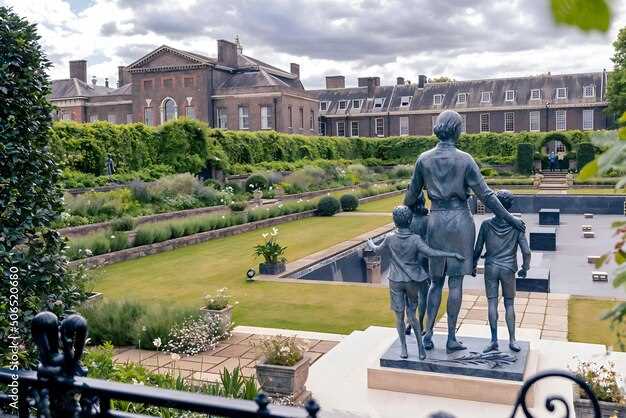
The Stuart period, which followed the Tudor dynasty, marked a time of significant transformation at Hampton Court Palace. Under the reign of King James I, the palace began to evolve into a more accommodating royal residence, reflecting the changing needs of the monarchy. This era saw many renovations that altered the physical structure and aesthetic appeal of the palace, leading to a new approach to royal living. The inner courtyards and gardens were reimagined, showcasing the Stuart commitment to both elegance and functionality.
One notable addition during this period was the expansion of the kitchens, which were crucial in catering to the royal court's growing number of attendees. These kitchens were designed to support large banquets and gatherings that became popular during the reign of Charles I. The state dining room also saw enhancements, highlighting the palace's role in hosting jubilant celebrations and significant events. The availability of various dining options within the palace reflected the culinary evolution of the time.
In contrast to the opulent Tudor style, the Stuart architects focused on creating a more symmetrical and harmonized design. This included the addition of towers and an impressive gatehouse, symbolizing the strength and stability of the monarchy. The choice of materials and architectural lines employed during this period also underscored the desire for permanence and grandeur. As a result, the palace’s appearance became more cohesive, merging both practicality and royal symbolism.
Mary I's influence, although from the Tudor era, continued to be felt as her legacy was woven into the evolving narrative of the palace. The melding of past architectural traditions with new innovations is evident in the structure's design. Groups of artisans and laborers worked diligently to bring these visions to life, performing their tasks under the watchful eyes of royal overseers. The renovations they accomplished served as a reminder of the continuous search for perfection that defines Hampton Court Palace.
As the Stuart period progressed, it became clear that Hampton Court was no longer just a royal residence; it had transformed into a cultural and social hub. The interactions between the royal family and their guests, both from overseas and local dignitaries, added layers of complexity to the palace's narrative. The annual events held within its walls became a crucial aspect of its identity, drawing in countless visitors and leaving a lasting legacy. In this way, the Stuart period not only transformed the physical space of Hampton Court but also its role in the wider context of English history.
Restoration and Renovation in the 19th Century
The 19th century marked a significant period for Hampton Court Palace, as it underwent restoration and renovation to address the wear and tear that had accumulated over the centuries. Longtime neglect, combined with the frustrations from the royal family regarding its deteriorating state, prompted significant changes. The crown sought to revitalize this historic gem, making it suitable for public use while preserving its rich history.
One of the major figures associated with the renovation was Sir George Gilbert Scott, whose vision would shape the palace's transformation. His work included the redesign of interior spaces and the introduction of a staircase that provided a grand entrance befitting its royal status. This staircase featured intricate details, connecting the once-divided apartments that had been used by various members of the royal family.
During the renovation process, various rooms were restored to reflect the Tudor style, which the palace is well-known for. The rooms were adorned with classical ornamentation that showcased the grandeur of the palace. The focus was not just on aesthetics; the restoration sought to reclaim the functional performance of the palace as a residence and a symbol of monarchy.
As renovations progressed, public interest in the palace grew, and it became a popular destination for tourists. By the time the renovations were reaching completion, the palace was not only a source of national pride for England but also a nod to America’s newfound admiration for European history. Visitors would come from Connecticut and beyond, eager to explore this royal residence.
By March of the following year, much of the initial work was completed, and the palace was opened to the public. This decision was crucial for connecting the royal heritage to the general populace, allowing those who had long admired the palaces from afar to finally set foot in its hallowed halls. The restoration process also included updating the gardens, which had fallen into disarray, ensuring that the grounds would remain a beautiful setting for future generations.
An interesting aspect of the renovation was the incorporation of modern amenities, which allowed the palace to retain its traditional charm while accommodating contemporary needs. Even as the renovation progressed, the identity of the palace was preserved, allowing it to continue being associated with its storied past. The palace would draw not only locals but also tourists from overseas who would stay longer to experience its rich history.
In conclusion, the 19th-century restoration and renovation of Hampton Court Palace represent a critical chapter in its history. The efforts made during this time brought revitalization that is still appreciated today. The commitment to preserving the palace's historical integrity while introducing modern elements has ensured that it remains a treasured royal gem in England.


