Essential Clothing for Dinghy Sailing and Safety
Alexandra
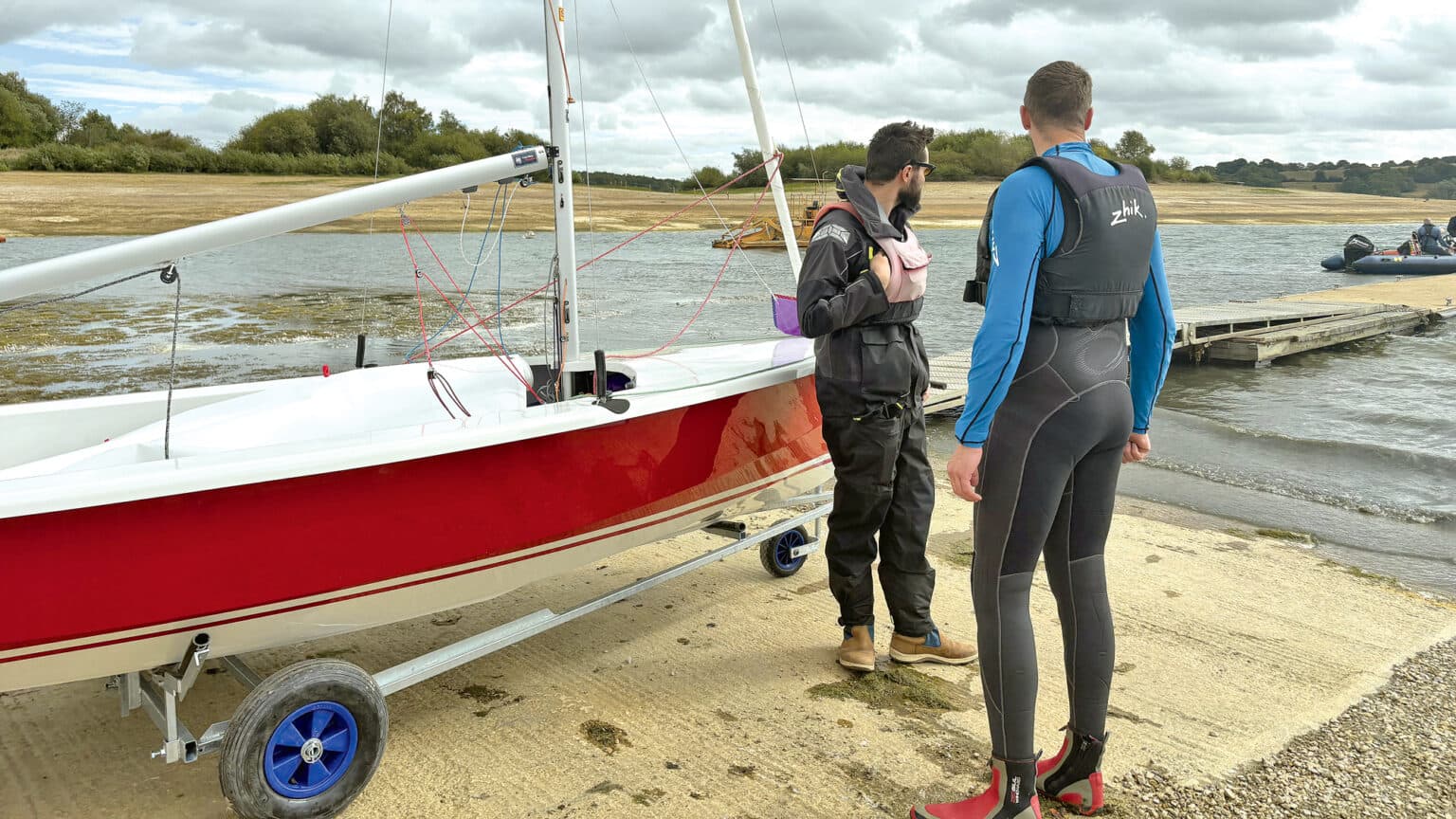
On club race days, crew kit logistics are decisive: pack dry bags with spare layers, stow weight low and central to preserve trim, and allocate cockpit space for movement and emergency access to a buoyancy aid and communications device.
Core considerations for dinghy sailing clothing
Dinghy sailors sit close to spray and are at higher risk of capsizing than keelboat crews, so clothing choices must balance mobility with thermal protection. Priorities are: rapid moisture management at the skin, insulating mid-layers that allow hiking and foiling movement, and a windproof outer that reduces evaporative heat loss.
Layering checklist
- Base layer: next-to-skin garments that wick sweat and offer UV protection when needed.
- Mid layer: neoprene wetsuits, long johns or technical fleece for insulation and abrasion protection.
- Outer layer: splashtop, smock or dinghy jacket that is wind- and splash-resistant.
- Hands and feet: thin-dexterity gloves and neoprene boots with adequate sole grip.
- Buoyancy aid: 50N buoyancy aid for dinghies; consider 150N lifejackets for small children.
Base layer: what to wear next to the skin
Base layers must wick moisture and dry quickly. In summer a UV50 rash vest reduces sun exposure while still shedding sweat; in cold months, long-sleeved thermal rash vests such as Typhoon’s Thermafleece add fleece insulation without bulk. The British diving company Andark, which expanded from underwater contracting into watersports kit, highlights the importance of quality base garments from brands like Gill, Henri-Lloyd, Musto and Typhoon.
📚 También te puede interesar
Mid layers: wetsuits, long johns and hikers
Many dinghy sailors favour long johns with a neoprene top for a flexible mid-layer combination that permits hiking and trapeze work. Wetsuits are described by two thickness numbers (torso/limbs) — e.g., a 3/2 suits water around 15–20°C, while a 4/3 gives added warmth at the expense of some mobility.
| Wetsuit (mm) | Typical water temp | Use case |
|---|---|---|
| 3/2 | 15–20°C | General spring/summer sailing with splashtop |
| 4/3 | 10–15°C | Cooler conditions; consider for long sessions |
| 5/4/3 or thicker | <10°C | Cold water; reduced mobility; drysuit alternative |
If wetsuit adhesion to skin is uncomfortable, a drysuit provides full waterproofing and allows conventional clothing underneath. Drysuits are common among lifeboat crews and cold-water commuters; the investment pays off for sailors who log long hours in low temperatures.
Choosing mid-layer styles
- Steamers: full-length suits for general insulation.
- Shorties: summer flexibility but less knee protection.
- Long johns: popular with a neoprene top over for mixed conditions.
- Hikers: padded trousers/shorts for hiking out and knee protection.
Outer layer: splashtops, smocks and smocks with stretch
An outer layer blocks wind and splash. Modern fabrics have stretch panels to preserve shoulder mobility; Henri-Lloyd and Typhoon offer smocks that combine lightweight waterproofing with freedom of movement. For club cruising or casual harbour sailing, a compact splashtop stowed in a dry bag is a pragmatic choice—easy to carry and effective against short, sharp spray.
Protecting head, hands and feet
Head: a waterproof beanie or merino headband keeps heat loss down; for helmeted dinghies use low-profile liners. Red Equipment’s Merino headband is a practical option where helmets are needed.
Hands: thin sail gloves maintain dexterity; combine a waterproof outer glove with a neoprene liner in cold weather. Typhoon’s Quantum gloves blend 5mm and 3mm neoprene for warmth and dexterity, while Gill’s Booster Liner serves as an effective base glove.
Feet: neoprene boots with robust soles are standard; Sealskinz neoprene socks can add insulation when there is room inside the boot. For quick-draining, low-sock options consider deck shoes like Helly Hansen’s Skagen or Typhoon’s TS10 trainers for mixed-use days ashore and afloat.
Buoyancy and safety fit
For dinghy sailing, use a 50N buoyancy aid rather than an inflatable lifejacket; ensure a good fit with crotch or thigh straps for children. Performance sailors often choose slim, high-cut designs that allow full mobility and trapeze harness use. Pockets for a VHF radio, knife and waterproof phone should be balanced against the risk of snagging on lines.
Maintenance and logistics tips
- Rinse neoprene and dry thoroughly to prevent mildew and nail fungus.
- Store layered items in labelled dry bags to speed crew changes on the quay.
- Check zips and seals before each outing; keep a small repair kit aboard.
Practical kit list for a day sail
| Item | Why it matters |
|---|---|
| Base layer / rash vest | Moisture control; UV protection |
| Wetsuit or long john + top | Insulation and abrasion protection |
| Splashtop / smock | Wind and spray defence |
| Neoprene boots | Grip, warmth, protection on slipways |
| 50N buoyancy aid | Buoyancy and safety storage |
| Gloves, beanie, dry bag | Comfort and kit logistics |
GetBoat always keeps an eye on news related to sailing and seaside vacations because we understand what it means to enjoy great leisure and love the ocean. The service values freedom, energy, and the ability to choose your own course, and places no limits on a good life—helping clients find a vessel to suit their preferences, budget and taste.
Key takeaways: layering is fundamental, choose neoprene thickness to match water temperature, and prioritise a correctly fitting buoyancy aid. Hands and feet need special attention for dexterity and warmth, while maintenance reduces the risk of gear failure and discomfort.
The guide’s practical advice has limited global impact on tourism policy, but it matters to coastal communities and regional tourism operators who rely on safe, comfortable participation rates for dinghy programs. For individuals planning seaside trips, the recommendations remain highly relevant; start planning your next seaside adventure and make sure to book the best boat and yacht rentals with GetBoat.com before the opportunity sails away!
In summary, effective dinghy sail kit management combines correct layering, appropriate wetsuit selection, a reliable outer shell and careful logistics—packing, stowage and kit maintenance—all of which preserve crew comfort and increase on-water time. Whether you’re preparing for a family beach day, a lake regatta or a chartered coastal cruise, choosing the right yacht or small boat, hiring an experienced captain when needed, and selecting appropriate clothing enhances safety and enjoyment. GetBoat supports these choices by offering transparent listings for charter, rent and sale across Destinations and marinas, from superyacht to small skiff, covering activities like fishing, yachting, sailing and boating in clearwater bays, gulfs and open ocean—so start your voyage today.


