Loss of restored Keewaydin near Flushing
Alexandra
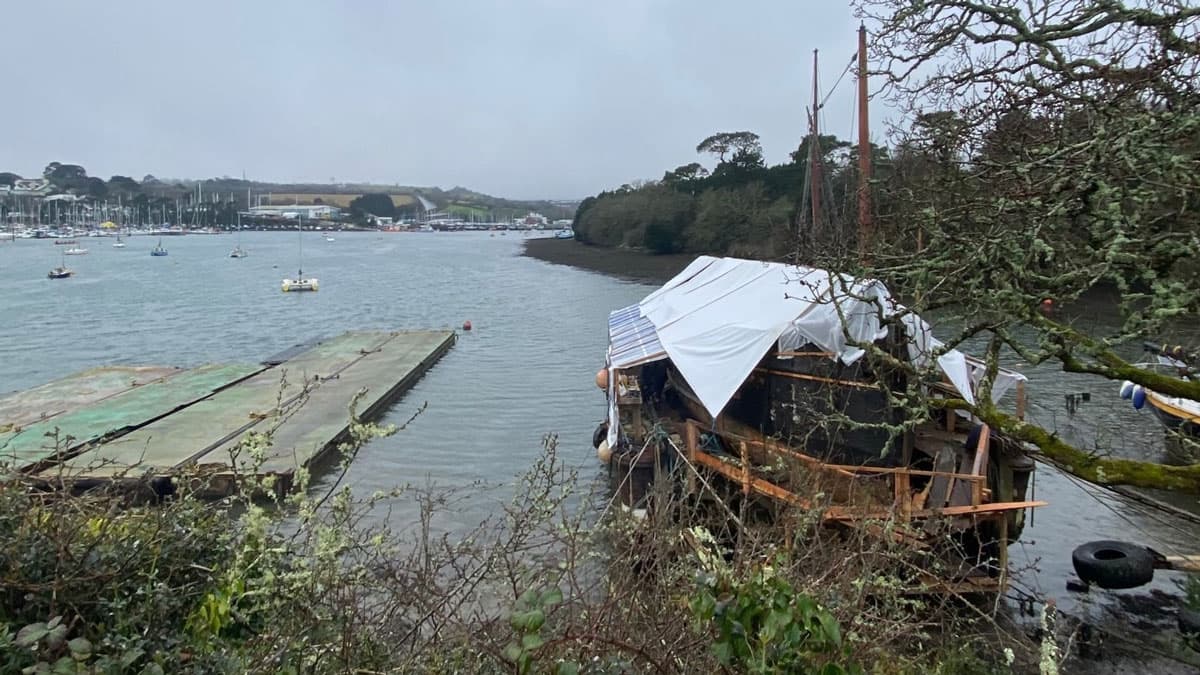
Cornwall Fire and Rescue Service deployed shore teams and its fire boat to Sailors Creek in Flushing on 19 February at about 12:30pm after receiving more than 40 public calls reporting a vessel fire aboard the 1913 Lowestoft trawler Keewaydin, which was two weeks from a planned re-floating after a two-year restoration.
Timeline and immediate response
The incident unfolded rapidly: volunteers had spent two years working on Keewaydin under the direction of master shipwright Spike Davies, with a launch scheduled for early March. Crews fought flames from land and sea, remained on site overnight to damp down hotspots, and South West Ambulance Service attended, with one person taken to hospital; the Sailors Creek CIC directors later confirmed no one was seriously injured.
Quick facts
- Vessel: Keewaydin (1913 Lowestoft wooden trawler)
- Owner / Lead shipwright: Spike Davies
- Location: Sailors Creek, Flushing, near Falmouth
- Date & time: 19 February, approx. 12:30pm
- Response: Cornwall Fire and Rescue Service + fire boat, South West Ambulance Service
- Condition: Declared totally unsalvageable
Community impact and statements
Sailors Creek CIC released a statement confirming the loss and noting that the fire is understood to have been accidental; they asked the public not to visit the site while safety assessments and investigations continue. National Historic Ships UK commented on the scale of emotional loss to volunteers and the owner after two years of painstaking restoration.
📚 También te puede interesar
Material losses and recovery steps
Beyond the hull itself, the blaze destroyed a shipwright’s workshop inventory. The directors emphasised immediate priorities: support for replacing tools, and ensuring the wreck site is made safe. A GoFundMe campaign has been launched to help Spike Davies replace equipment; the fundraiser had raised several thousand pounds toward a target of £5,500 within days.
| Item | Detail |
|---|---|
| Restoration duration | ~2 years |
| Launch date (planned) | Early March (two weeks after fire) |
| Public reports | 40+ calls to emergency services |
| Fundraiser target | £5,500 (partial total already raised) |
Salvage, environmental and regulatory considerations
When a wooden vessel of historic value is declared totally unsalvageable, several logistical and regulatory threads tighten up: hazardous material assessments, pollutant containment, disposal permits, and harbour authority coordination. In this case, Cornwall Fire and Rescue Service coordinated marine and shore operations, but long-term actions will involve local harbour masters, environmental officers, and possibly insurers.
Key operational steps for similar incidents
- Secure site and restrict public access to reduce risk and interference.
- Conduct pollution and contaminant assessments (fuels, oils, treated timbers).
- Coordinate with harbour authorities for wreck removal or on-site demolition.
- Document loss for insurance, heritage registries and potential criminal or accidental investigation.
Why this matters to marinas, charter operators and boat renters
Incidents like Keewaydin’s fire ripple across the local boating economy: insurance premiums, berth availability, workshop capacity and the availability of experienced shipwrights all factor into operational costs for marinas and charter fleets. When a skilled craftsman loses tools and a project, it can reduce local restoration capacity and push up turnaround times for refits—something every captain and charter operator notices. As they say, sometimes things go up in smoke, and the logistics tail gets longer.
Abandoned and end-of-life vessels — the wider problem
Abandoned boats and end-of-life vessels are a growing environmental and logistical issue for UK harbour authorities and community groups. A single wreck can block berths, contaminate water, and strain volunteer networks that often take on restoration projects. For coastal destinations reliant on tourism, fishing and yachting, the presence of unsafe, derelict boats is more than an eyesore — it is a practical and economic challenge.
Practical guidance for owners and communities
- Keep up-to-date inventories and tool insurance for craftsmen and yards.
- Maintain clear records for restoration projects to support funding and insurance claims.
- Local groups should coordinate with marinas and councils on contingency plans for derelict vessels.
For GetBoat.com readers and those involved in yacht charters or boat rentals, the Keewaydin outcome underlines how preservation, workshop resilience and safe mooring practices feed into wider availability of boats for rent, sale and charter. Losing a historic trawler is a blow to the community, and it’s a reminder that marine logistics—from marinas to master shipwrights—are the backbone of boating culture.
In summary, the 1913 trawler Keewaydin was destroyed by a fire fought by Cornwall Fire and Rescue Service and local volunteers; the vessel and shipwright’s tools are declared unsalvageable, a GoFundMe has been set up to help replace equipment, and authorities are managing site safety and investigation. The incident highlights crucial issues in salvage logistics, environmental controls and the impact on local boating infrastructure that affect yacht restoration, charter availability, marinas and wider boating activities—yacht, charter, boat, beach, rent, lake, sailing, captain, sale, Destinations, superyacht, activities, yachting, sea, ocean, boating, gulf, water, sunseeker, marinas, clearwater, fishing.


