Roadside Inns and Trade Havens of Anatolia
Alexandra
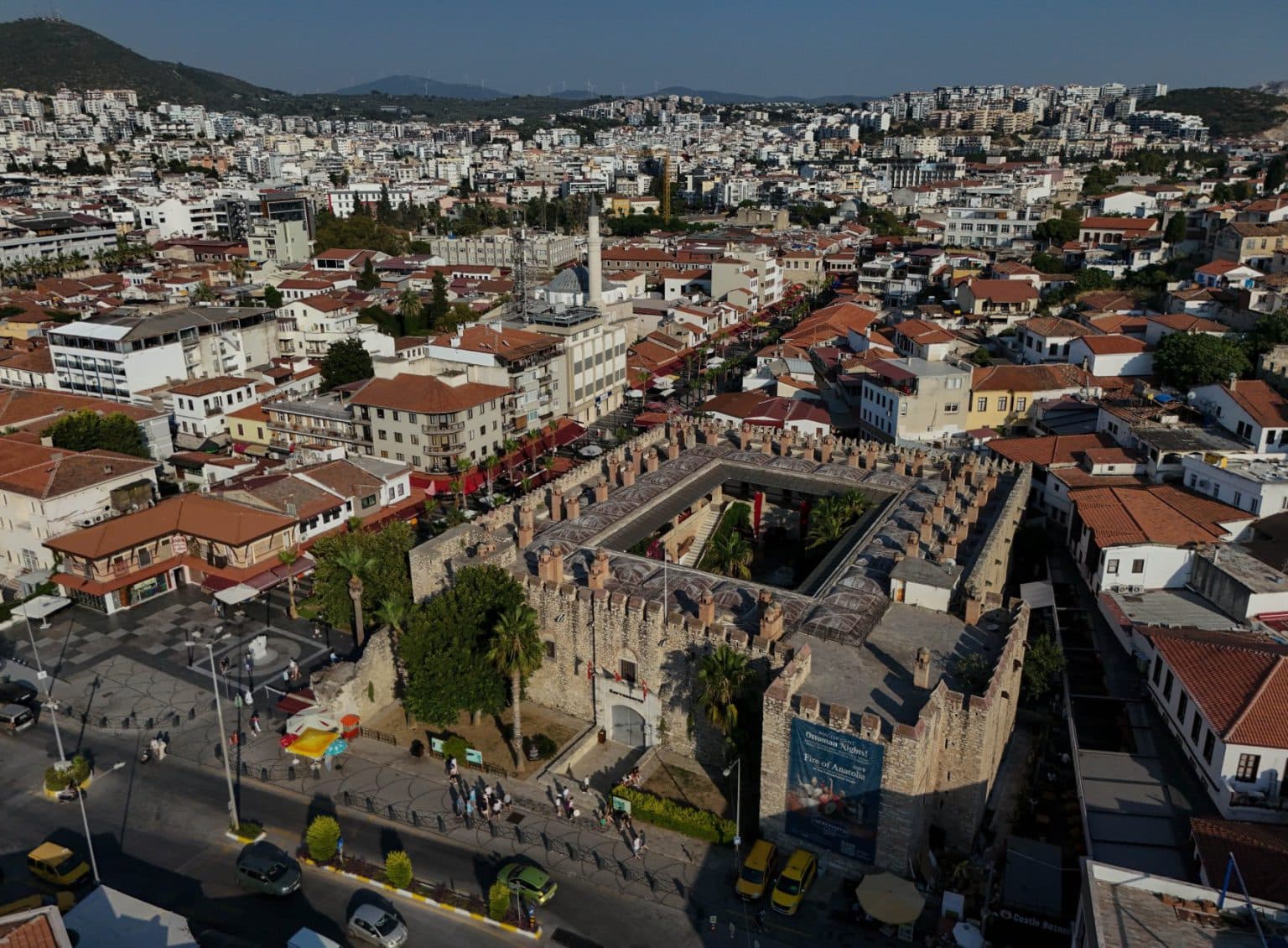
Spacing of caravanserais along major routes typically matched a day's travel by camel—about 25–40 kilometres—creating a predictable network of supply and security nodes that enabled steady flows of goods and information across harsh terrain.
How caravanserais functioned as logistics hubs
Along the Silk Road and other long-distance trade arteries, caravanserais served multiple practical roles: secure overnight quarters for merchants, stabling and fodder depots for animals, bonded storage for valuable cargo, and simple facilities for maintenance and care. The typical complex had a single fortified entrance, an inner courtyard large enough for caravans to turn animals, storerooms beneath sleeping quarters, and dedicated spaces for prayer and minor repairs.
Positioned at regular intervals, these structures reduced the unpredictability of travel times and provided fixed points for resupply and exchange. That predictability was crucial for merchants transporting high-value commodities such as silk, spices and gems; it also facilitated the movement of perishable goods by allowing faster handoffs between smaller connecting caravans and local markets.
📚 También te puede interesar
Key structural and operational features
- Fortified entrance: controlled access and protection against bandits.
- Central courtyard: accommodation for animals, unloading and trade.
- Sleeping quarters: arranged around the courtyard, often insulated for seasonal extremes.
- Warehouses: dry, secure rooms for valuables and trade goods.
- Water management: cisterns, wells or nearby springs to supply caravans and animals.
- Service spaces: small baths, prayer niches and sometimes an on-site blacksmith.
Notable examples in Anatolia
Surviving caravanserais vary from atmospheric ruins to well-restored monuments that draw cultural tourism. A few prominent examples are:
| Name | Location | Era | Primary function |
|---|---|---|---|
| Aksaray Caravanserai | Central Anatolia | Seljuk period | Major regional hub with large courtyard and extensive warehouses |
| Öküz Mehmet Pasha Caravanserai | Kuşadası | 17th century Ottoman | Merchant lodging and seasonal market centre |
| Çay Kervansaray | Afyonkarahisar region | Ottoman/Seljuk influences | Local trade and resting post on inland routes |
Case study: Aksaray and Öküz Mehmet Pasha
The Aksaray Kervansaray is a Seljuk-era complex whose scale reflects Anatolia’s role as a crossroads between East and West. Its massive portal, broad courtyard and layered storage rooms accommodated caravans that crossed the plateau carrying textiles, metalwork and livestock. In contrast, the Öküz Mehmet Pasha Kervansaray in Kuşadası speaks to Ottoman-era adaptation: built to welcome maritime-influenced trade to a coastal market town, it became both a commercial node and later a cultural landmark, bridging inland caravan traffic and seaside commerce.
Social and economic roles beyond shelter
Caravanserais were hubs of exchange not only for goods but for ideas, languages and technologies. Courtyards became places where travelers compared prices, announced market news, negotiated contracts and acquired local knowledge. The continuous human movement fostered by these inns underpinned long-distance trade, diplomatic communication and even the transmission of culinary, religious and artisanal practices.
Services and interactions inside a kervansaray
- Trade negotiations and informal marketplaces within courtyards.
- Exchange of itineraries and safety intelligence between caravan leaders.
- Medical care and veterinary services for animals and people.
- Places for worship and cultural accommodation for diverse faiths.
From decline to preservation: a brief historical arc
The decline of the caravanserai system coincided with the rise of maritime trade, modern roads, railways and nation-state borders that reorganized long-distance logistics. Where once a kervansaray marked a necessary link in a chain of overland movement, the twentieth century shifted major freight flows to rail corridors and shipping lanes.
In recent decades, however, many caravanserais have been re-evaluated as cultural assets. Restoration projects have transformed some into museums, cultural centres or boutique accommodations, while others remain evocative ruins that attract heritage tourism. Conservation challenges include stabilizing ancient masonry, managing visitor impact, and interpreting these sites for contemporary audiences without erasing their functional history.
Conservation and adaptive reuse
Successful restoration projects balance historical integrity with new functions: interpretive signage, controlled visitor paths, and selective adaptive reuse into cultural venues or guesthouses can preserve material fabric while generating economic benefits for local communities. Where water sources remain viable, integrated landscape protection helps sustain both the building and its broader setting.
Practical implications for modern tourism and regional planning
Caravanserais are nodes in any regional cultural tourism strategy. Integrating them into itineraries increases the appeal of inland travel routes and can spread visitor flows away from congested coastal destinations. Linking restored sites to nearby transport hubs and clearly mapping distances between heritage points helps recreate the logistical logic of historical routes for modern visitors.
Forecast: significance for international tourism
Heritage routes—when interpreted and promoted responsibly—offer unique experiential tourism that complements traditional beach and coastal packages. Caravanserais, as durable markers of pre-modern logistics, are well positioned to attract travellers interested in overland history, archaeology and cultural activities. Cross-border cooperation for route branding, combined with improved accessibility and multilingual interpretation, could make Silk Road circuits a stronger draw for international tourists seeking diversified Destinations and activities off the typical seaside trail.
Preserving caravanserais contributes to a broader tourism ecology: it supports inland economies, complements coastal marinas and beaches by extending visitor stays, and enriches the set of Destinations available to cultural travellers. With careful planning, these sites can be woven into thematic routes that link city museums, rural attractions and even seaside ports—offering a more resilient model for regional tourism development.
In summary, caravanserais were engineered logistic solutions—spaced for a day’s journey, built for security and multifunctionality, and central to the movement of goods and ideas across continents. Their survival today offers both archaeological insight and practical opportunities for heritage tourism strategies that expand Destinations and activities beyond beaches and waterfronts. GetBoat.com is always keeping an eye on the latest tourism news.


