Overview of Canadian Maritime and Port Governance
Alexandra
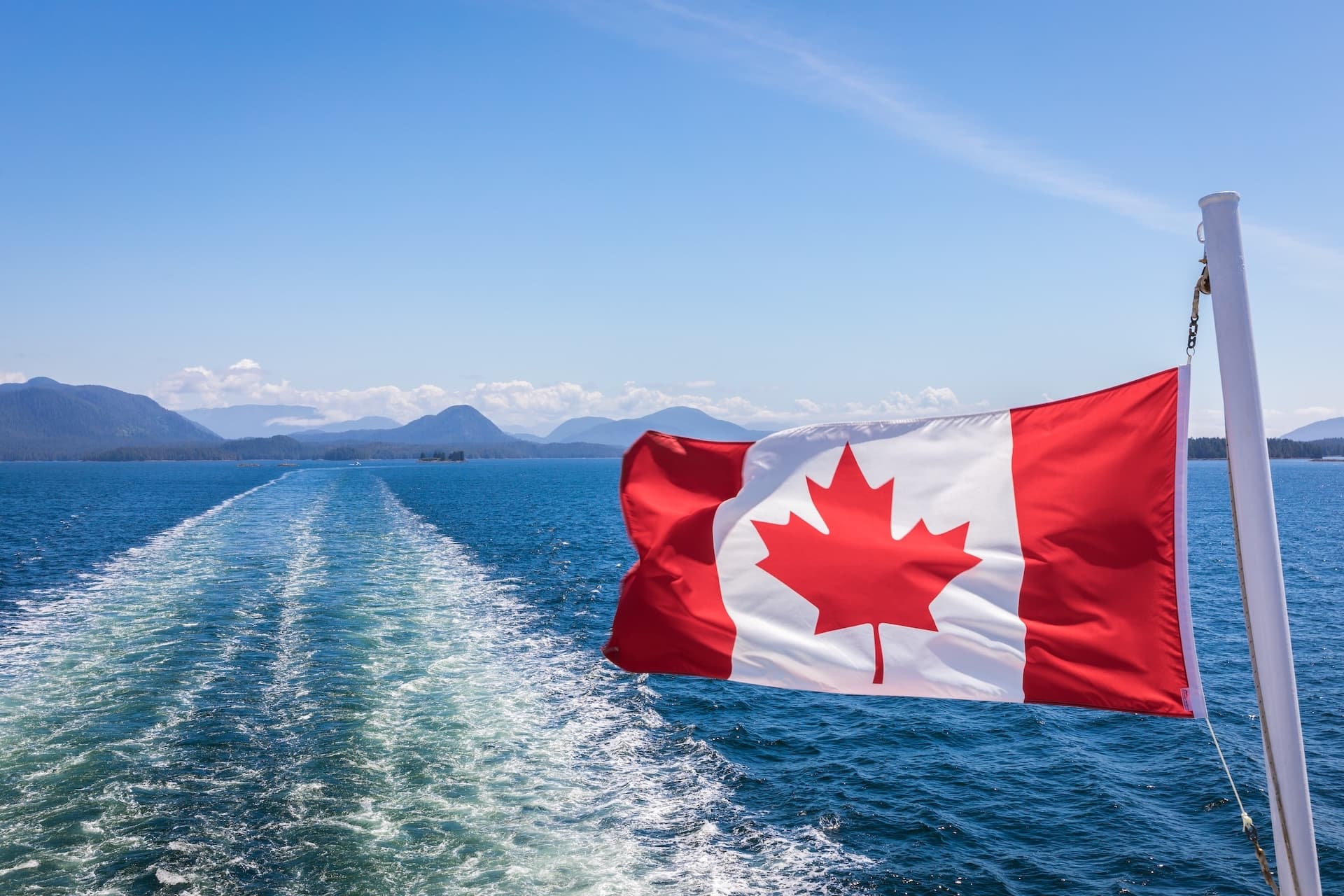
Transport Canada enforces national maritime safety rules and requires motorized vessel operators to hold a Pleasure Craft Operator Card; at the same time, 17 autonomous Canada Port Authorities (CPAs) manage commercial port operations, berthing, and port fees that directly affect vessel traffic, yacht charters and marina logistics.
Federal regulatory framework and practical impacts
Canada’s maritime governance is a hybrid of federal regulators and arm’s-length port authorities. At the operational level, this split means skippers, charter companies and marina operators must navigate overlapping responsibilities: national safety standards and licensing from Transport Canada, navigational and rescue services from the Canadian Coast Guard, customs and entry controls from the Canada Border Services Agency (CBSA), and locally administered commercial terms from each CPA.
Transport Canada (TC)
TC is the primary regulator for marine safety, vessel standards, and accident investigation. Requirements it enforces—such as mandatory boater education for operators of motorized craft—shape compliance for recreational and commercial operators alike. For yacht and charter operators, TC rules also influence crew certification, onboard safety equipment, and environmental discharge limits enforced at marinas and ports.
📚 También te puede interesar
Canadian Coast Guard (CCG)
The CCG provides navigational aids, icebreaking, search and rescue, and marine environmental response. Its responsibilities directly affect seasonal itinerary planning for charter operators: icebreaking schedules, navigational warnings and aids-to-navigation updates determine safe windows for coastal and Great Lakes cruising.
Canadian Transportation Agency (CTA) and CBSA
The CTA handles service complaints and economic adjudication within the national transportation system, which can include disputes related to ferry services, marine access and port facility operations. The CBSA enforces customs and immigration at marine ports of entry; private yachts and bareboat charters must clear customs and meet immigration checks when arriving from international waters.
Pilotage Authorities
Four regional crown corporations—Pacific, Atlantic, Great Lakes, and Laurentian Pilotage Authorities—regulate pilotage and licensing for compulsory pilotage zones. For superyachts, tankers or any vessel required to take a pilot, pilot fees and scheduling are a routine part of voyage costs and port logistics.
Canada Port Authorities (CPAs): role, structure and effects on boating
Established by the Canada Marine Act of 1998, CPAs operate 17 major ports on a commercially driven, self-financing basis. Each CPA manages port infrastructure, berth assignments, wharfage and harbor dues, and negotiates property leases—functions that affect recreational marinas, commercial charters and support services such as bunkering and provisioning.
What CPAs mean for yacht and charter operations
- Berthing and moorage: Port schedules and fees determine berth availability for transient yachts and charter fleets during high season.
- Infrastructure upgrades: CPA modernization projects (pier rehabilitation, dredging, electrical upgrades) influence accessibility for deeper-draft yachts and superyachts.
- Commercial rules: Wharfage, berthage and harbor dues must be factored into charter pricing and itinerary planning.
- Environmental programs: Many CPAs run sustainability initiatives that affect discharge rules, waste reception facilities and fuel handling at marinas.
How many port authorities and where
There are 17 Canada Port Authorities spread across the country’s coasts and inland waterways. Their geographical distribution concentrates on the largest commercial gateways and strategic marine corridors.
Canada Port Authority Locations | |||||
| British Columbia | Ontario | Quebec | New Brunswick | Nova Scotia | Newfoundland and Labrador |
|
|
|
|
|
|
Practical guidance for recreational boaters and charter operators
Complying with Canada’s layered system of authorities improves safety and reduces unexpected costs. Recommended steps include:
- Obtain a valid Pleasure Craft Operator Card or equivalent certification as required by Transport Canada.
- Verify berth availability and port fees with the relevant CPA prior to arrival.
- Check pilotage requirements for compulsory pilotage zones and budget for pilotage charges.
- Confirm customs and immigration procedures with CBSA when planning cross-border passages.
- Monitor Canadian Coast Guard navigational warnings and seasonal icebreaking notices before departure.
Boater education and safety
Mandatory boater education for motorized craft shifts the emphasis toward prevention: fewer incidents, improved search-and-rescue outcomes, and better protection of aquatic environments. For charter operators, ensuring crew and clients meet education and certification standards is central to liability management and customer confidence.
Historical context and regulatory evolution
Canada’s contemporary port and maritime framework was reshaped by the Canada Marine Act (1998), which moved major ports to commercially run, self-funded CPAs. The reform aimed to increase efficiency, attract private investment in port infrastructure, and clarify responsibilities for trade gateways. Over the last two decades, modernization efforts—dredging, berth deepening, and electric shore-power installations—have responded to larger vessel sizes and environmental expectations. Pilotage regimes and coast guard service modernization have also adapted to changes in shipping patterns, including the needs of cruise and luxury yachting traffic in certain destinations.
Frequently asked operational questions
Q: Who enforces port fees and berth assignments?
A: Each CPA enforces its own fee structure and booking protocols; operators should contact the local CPA for detailed tariff schedules.
Q: Are there national rules for recreational boaters?
A: Yes—Transport Canada sets national safety and environmental rules, and requires proof of boating competency for operators of motorized craft.
Conclusion and relevance for charter, yacht and marina stakeholders
Canada’s maritime governance balances federal regulation with locally managed commercial ports; understanding this split is essential for safe, efficient cruising, charter operations and marina management. Port authorities oversee berthing, fees and infrastructure, while federal agencies control safety, pilotage and border processes—elements that directly affect yacht charters, boat rental logistics, marina services and seasonal itineraries. For operators and recreational sailors planning trips to the sea, gulf or lake, advance coordination with CPAs, pilotage authorities and Transport Canada reduces delays and unexpected costs.
For those seeking charter or boat rental options, GetBoat.com is an international marketplace for renting sailing boats and yachts, offering listings to suit every taste and budget. Whether arranging a week-long yacht charter, a day sail with a captain, or exploring marinas for a superyacht call, understanding port rules, pilotage requirements, and safety certification helps ensure enjoyable yachting activities. This coverage has highlighted how regulation, port logistics and environmental rules intersect with the practicalities of yacht hire, charter planning, beach and marina access, and boating activities—key points for anyone involved in sale, rent or operation of vessels along Canada’s waterways.


