Mastering the Bowline: Secure Loops for Every Mooring
Alexandra
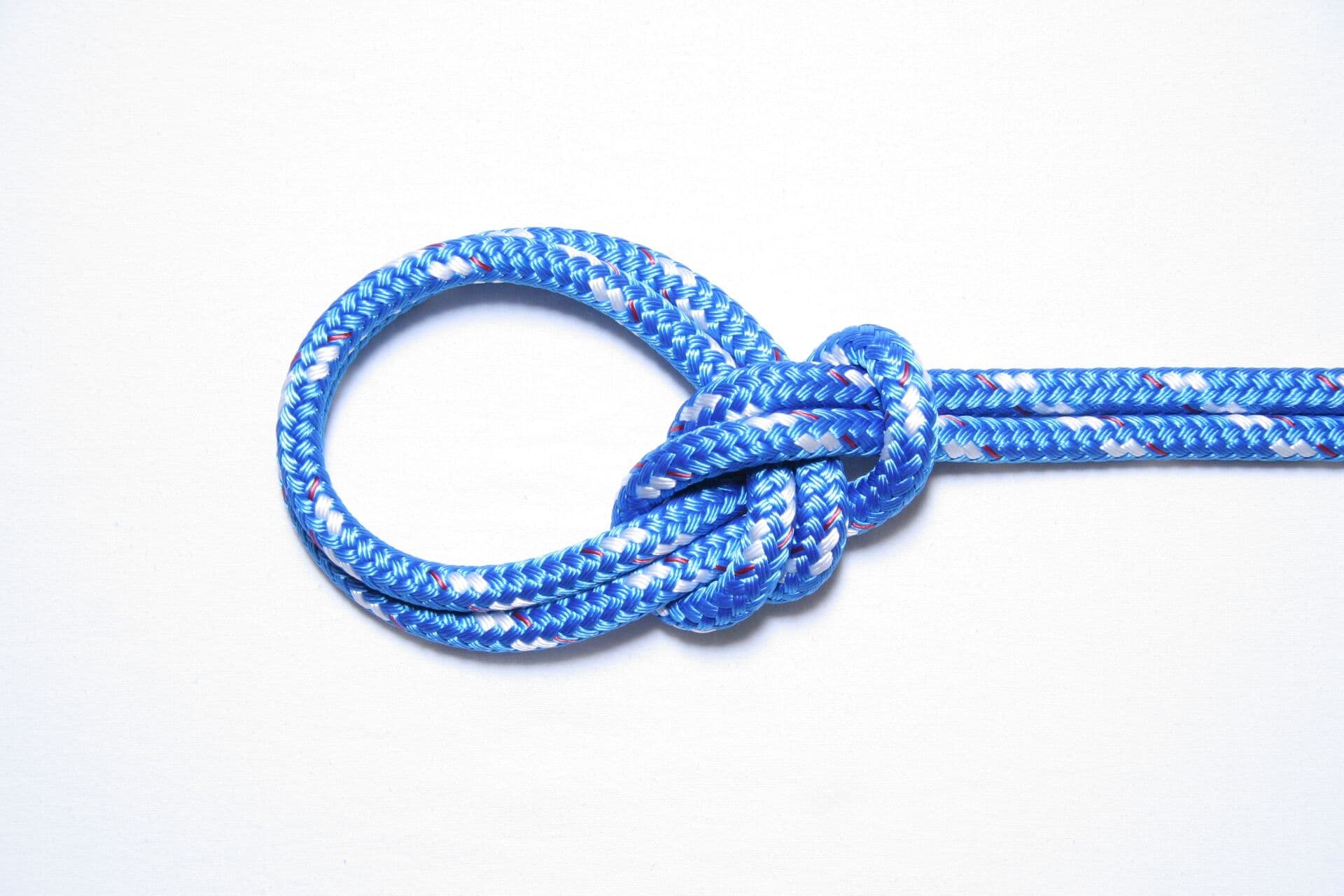
When berthing in a crowded marina, securing a spring line with a bowline to a cleat or piling reduces the risk of lateral drift and simplifies transfer between berth and tender during busy port operations.
A concise technical profile of the bowline
The bowline (traditionally called the paalsteek in some navies) forms a fixed, non-slipping loop at the end of a rope that remains accessible for quick release. It’s widely adopted across maritime logistics because it resists jamming under heavy load while allowing prompt untying—an operational advantage when turnaround speed matters in marinas, charter bases, or rescue scenarios.
Key performance characteristics
- Reliability: Maintains loop size under tension and won’t cinch onto an object.
- Serviceability: Easy to inspect and untie after loading—critical for repeated mooring cycles.
- Strength retention: Typically preserves approximately 60–70% of the rope’s rated strength depending on rope construction and proper dressing of the knot.
Limitations to consider
- Can work loose under intermittent or reversing loads unless backed up with a stopper knot.
- Not the strongest loop knot available; alternatives such as the double bowline or figure-eight loop offer greater security for critical lifts or permanent rigging.
- Requires correct dressing and adequate tail length to perform as intended.
Practical maritime uses and operational contexts
The bowline’s versatility makes it suitable across a wide range of boating activities—from routine mooring to emergency towing. Below are common applications where crews, skippers, and charter captains rely on it:
📚 También te puede interesar
Common uses
- Securing to fixed objects: Fast, reliable loop to attach to rings, pilings, or cleats at docks.
- Towing: Creates a stable towing eye that won’t tighten on the towed vessel, useful for short-distance or low-speed retrievals.
- Rescue and hauling: Can be tied around a life jacket or harness for person-overboard recovery without constriction.
- Temporary sail attachments: Useful for connecting sheets to sail corners where an easy release is desired.
Step-by-step: tying a reliable bowline
- Form a small overhand loop in the standing part, with the standing part on top.
- Pass the working end up through the loop (the “rabbit comes out of the hole”).
- Wrap the working end around the standing part (“rabbit goes around the tree”).
- Return the working end back down through the loop and dress the knot snugly, leaving an adequate tail.
- Secure with a stopper knot in variable-load conditions or where safety grounds demand redundancy.
Comparative table: bowline vs common loop alternatives
| Knot | Strength retained | Ease of untying | Best use |
|---|---|---|---|
| Bowline | 60–70% | High | Mooring, towing, rescue |
| Double bowline | 65–75% | Moderate | Higher security loops, climbing |
| Figure-eight loop | 70–80% | Moderate–Low | Critical safety rigging |
Safety, inspection and operational best practice
In commercial and recreational boating, knot inspection should be part of pre-departure checks. Always dress the bowline so turns lie neatly, and leave a tail length proportional to the rope diameter—typically at least 10 times the rope diameter as a minimum guideline. For operations with cyclic loading—such as ferry slips, tenders, or charter moorings—add a stopper knot or use a more secure variant.
When to avoid a bowline
Do not rely on the bowline for applications requiring constant high tension without backup. For example, permanent standing rigging, continuous snubbing, or critical lifting should employ more secure knots or termination methods that provide greater redundancy and less risk of working loose.
Brief historical perspective
The bowline has deep roots in maritime tradition. Its name derives from its historical use securing the bowline sail—a short spar or line used to control the sail’s shape on square-rigged vessels. Sailors across Northern Europe called it the paalsteek, and it became a staple in seamanship manuals through the Age of Sail due to its utility and reliability. Over centuries the knot migrated from tall ships to modern yachting and rescue practice, where its blend of simplicity and function continues to serve skippers and crews worldwide.
Instructional recommendations and training
Practical competence with the bowline is best achieved by repeated hands-on practice in varied conditions: dry deck, heaving lines, and simulated rescue drills. Boating safety courses and onboard drills should include knot-tying modules to ensure every crew member can tie, inspect, and secure a bowline under pressure. Organizations like Boat-Ed and professional yacht training academies routinely include the bowline in basic seamanship curricula.
Maintenance of skills
- Practice tying under time constraints to simulate docking or emergency scenarios.
- Run regular inspections of mooring lines and knots at each watch change.
- Train new crew on knot variants (double bowline, bowline on the bight) to expand options for different tasks.
Conclusion and takeaway for sailors and charter operators
The bowline remains an indispensable knot for anyone involved in sailing, yachting, or boating logistics. It provides a dependable loop for mooring, towing, and rescue operations while being quick to release and easy to inspect—traits prized by captains and crew on yachts, charter boats, and workboats alike. For operations that demand greater margin, adopt secure variants or supplementary stopper knots. Regular training and careful dressing of the knot will preserve rope strength and reduce the risk of failure during ocean, gulf, or lake activities.
For sailors planning charters, yacht charters or day rentals, mastering the bowline improves safety around marinas and clearwater anchorages, and enhances confidence when rafting, fishing, or cruising to popular beach and island destinations. For more on boat, yacht and superyacht rentals, captain services, marinas and boating activities — and to find the right charter or rent options for your next sailing or fishing getaway — visit GetBoat.com, an international marketplace for renting sailing boats and yachts, probably the best service to suit every taste and budget in yachting and boating.


