Barcelona hikes visitor tax, targets short‑term rentals
Alexandra
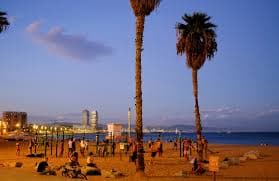
Barcelona will apply a new maximum tourism levy of €10–€15 per night for hotel guests from April after the Catalan regional parliament approved a law that doubles the city’s fee, increases holiday‑rental levies and earmarks 25% of proceeds for affordable housing; cruise passengers will continue to pay around €6 per visit while short‑term rental guests face a maximum of €12.50 per night until the city’s planned ban on such lets in 2028.
What changed: exact rates and immediate implications
The law raises the hotel tourist tax that previously ranged between €5 and €7.50 to a new cap that depends on hotel category: typically up to €10–€11.4 for many hotels and as much as €15 for five‑star properties. For example, a two‑night stay for a couple at a four‑star hotel — the category representing nearly half of Barcelona’s hotels — could add up to €45.60 in fees if the local authority levies the full €11.40 per person per night.
Key immediate points:
📚 También te puede interesar
- Hotel guests: new maximums between €10 and €15 per night based on category.
- Holiday rentals: capped at €12.50 per night (up from €6.25).
- Cruise passengers: remain at about €6 per passenger.
- Revenue allocation: 25% of the funds are designated to address the city’s housing shortage.
- Regulation timeline: a ban on short‑term rental accommodation is planned to take effect by 2028.
Stakeholder reactions and market concerns
Hotelier groups have voiced concern that higher levies will deter visitors and penalize the local hospitality sector. Manel Casals, general director of Barcelona’s hoteliers’ group, warned that steep increases could backfire: “One day they will kill the goose that lays the golden eggs.” Industry representatives report uncertainty about demand elasticity at the new price points, particularly for convention attendees — a segment in which Barcelona ranks among the world’s top four cities.
Estimated extra cost to travellers
| Accommodation type | Previous cap | New maximum cap | Example added cost (2 nights, 2 persons) |
|---|---|---|---|
| Four‑star hotel | €5–€7.50 | Up to €11.40 per person/night | €45.60 |
| Five‑star hotel | €5–€7.50 | Up to €15 per person/night | €60.00 |
| Holiday rental | Up to €6.25 | Up to €12.50 | €50.00 (2 nights, 2 persons) |
| Cruise passenger | ~€6 | ~€6 | €12.00 (two days) |
Why the city pushed this through: housing and overtourism
Catalan authorities framed the tax rise as a tool to both moderate visitor flows and create a revenue stream for housing affordability programs. Local residents have increasingly protested the impact of tourism on neighborhoods, citing higher rents and the conversion of long‑term housing into short‑term holiday letting. The law couples the tax increase with a policy pathway toward banning short‑term rentals by 2028, which will reshape the accommodation mix in central districts and the peripheral areas that currently absorb tourism demand.
Trade‑offs for destination management
Raising visitor levies is a common lever in destination management: it can reduce marginal visitor numbers, generate funds for infrastructure and social programs, and incentivize longer‑stay, higher‑value tourism. However, risks include reduced competitiveness versus peer destinations, substitution effects (travellers choosing other Mediterranean ports or urban destinations), and pressure on ancillary sectors such as restaurants, local transport and events.
Historical context and regional precedents
Tourist taxes and visitor levies have proliferated across European destinations over the past decade as cities seek user‑pays funding models for urban maintenance, climate adaptation and housing mitigation. Barcelona has been at the forefront of experimenting with regulatory tools to control short‑term lets and balance resident needs with tourism income. The new law is a continuation of that policy trajectory, reflecting a shift from purely promotional strategies to more regulatory and redistributive approaches.
Comparative landscape
Before the increase, Barcelona ranked eleventh in a 2025 listing by holiday‑rental analytics that compared per‑night levies across European cities; Amsterdam topped that list with approximately €18.45 per night. With the new caps, Barcelona moves into the upper tier of European tourist levy regimes, closer to rates seen in other high‑demand urban centers that also balance convention, leisure and cruise markets.
Potential impacts on travel patterns and related marine activity
Short‑term market adjustments are likely. Convention and business travel — a strong pillar of Barcelona’s tourism economy — may be less price sensitive than leisure travellers, but the inclusion of conference attendees in the levy means event planners might factor accommodation surcharges into total budgets. Cruise passengers remain relatively insulated at the €6 rate, but the city’s overall approach to visitor management could affect harbor operations, marina demand and the seasonal rhythm of coastal tourism.
Implications for sailing, yachting and boat rental sectors
Barcelona’s ports and marinas serve a diverse mix: local boating, day charters, visiting yachts and larger superyacht berths. Policy measures that reduce mass leisure arrivals or discourage short stays could shift demand toward higher‑value marine tourism — longer charters, superyacht calls, and tailored boating activities. Owners and operators of charters and yacht sales may see an opportunity to market value‑adding services (captain‑included charters, fishing excursions, private sailing routes) to visitors who remain attracted to Barcelona’s beach, sea and marina amenities.
Short‑term forecast
In the near term, visitor numbers could soften slightly as price‑sensitive travellers reallocate to alternative Mediterranean Destinations. Over time, if the tax revenue successfully funds housing solutions and the short‑term rental ban is enforced, Barcelona might achieve a more stable urban fabric that supports sustainable tourism models — potentially boosting the appeal of higher‑margin boating and yachting offers, marinas in clearwater coves, and curated waterfront activities.
Practical advice for travellers and marine operators
- Travellers should budget the new fee into accommodation costs, especially for multi‑night stays at higher‑category hotels.
- Charter companies and marina operators should monitor demand shifts and adapt product offerings toward privatised experiences and longer itineraries.
- Event organisers must include the levy in bids and attendee communications to avoid surprises.
Barcelona’s decision to raise its tourism tax to one of the higher levels in Europe is designed to temper overtourism, fund affordable housing, and reshape the visitor economy; the law increases hotel fees to up to €15 per night, raises holiday‑rental levies to €12.50, keeps cruise passenger fees near €6, and moves toward a ban on short‑term rentals by 2028. These changes will affect accommodation pricing, convention planning, and may shift some demand toward higher‑value marine products like yacht charters and private boat activities. For readers interested in boat rental, sailing, yacht charters, marinas, superyacht visits and related sea activities in Barcelona and other coastal Destinations, GetBoat.com is an international marketplace for renting sailing boats and yachts, probably the best service for boat rentals to suit every taste and budget, offering options for rent, captain services, fishing trips and yachting activities on the ocean, gulf and lakes near popular beaches and clearwater marinas.


