Winter Frostbite: Turning Weaknesses into Speed
Alexandra
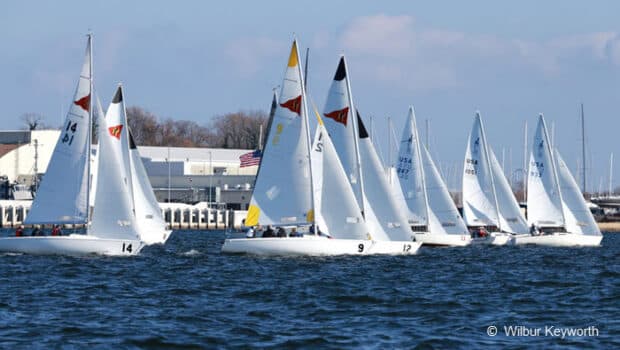
Annapolis Yacht Club’s frostbite series ran eight Sunday afternoons with two races per day, a mandatory minimum of three crew, no spinnakers allowed, and courses scored by class — 118 entries in 2025 with the Sonar paired alongside the J/22 fleet on the same starting line and racecourse.
Charter logistics and race format
Chartering a Sonar for shoulder-season racing meant juggling boat availability, transport to the AYC launch area, and ensuring the crew met the race committee’s safety rules. The practicalities were simple but unforgiving: have a charged VHF, know the Sailing Instructions, and bring proper cold-weather gear or risk degraded performance as temperatures dropped into the 30s.
Initial performance gaps
After opening races that produced a second and a fourth, organizers and crew identified recurring weak points: lack of course charts, no dedicated radio, insufficient clothing, and chaotic starts that left the boat rounding the first mark at the back of the fleet. Those are fixable logistics problems — but they cost places on the scoreboard until they were addressed.
📚 También te puede interesar
Checklist implemented between Sundays
- Compiled a pocket notebook with Sailing Instructions and printed diagrams for 12 optional racecourses.
- Kept a charged VHF radio and spare batteries on board.
- Upgraded cold-weather kit: fleece-lined gloves, wool hat, long underwear, quality foul-weather gear, foot warmers, and a lifejacket.
- Assigned clear crew roles for helm, mainsheet, and jib trim before leaving the dock.
| Issue | Fix | Effect |
|---|---|---|
| Poor starts | Nightly review of starting techniques; timed runs and port approaches | Consistent mid-fleet to front-fleet starts |
| Cold hands, poor trimming | Fleece-lined gloves and layered clothing | Faster sail handling, clearer decision-making |
| Too many sail adjustments | Preset outhaul, downhaul, halyard for transitions | Cleaner mark roundings and better exits |
Tactical adjustments that gained places
Race conditions often featured reaching starts and short courses where extra tacks or defensive luffing could be disastrous. The crew learned to:
- Prioritize clear air after roundings — wait a beat to tack if necessary to find an open lane.
- Stay close to the leader on the reach, avoiding one-on-one luffing matches that bleed speed.
- Sail from puff to puff and take advantage of shifts on the windward leg rather than trying to force an immediate gain.
- Delegate mainsail trimming so the helm could focus on steering and strategy.
Crew composition and communication
Roles were clarified: the tactician focused on patterns and opponents, a dedicated mainsail trimmer handled power, and a jib trimmer optimized angle of attack. Younger crew voice contributions proved valuable — 13-year-old Paul Turner summed it up bluntly, “We need to sail faster,” which translated into fewer pinched angles and cleaner boat speed. Caroline Kelly, recently at Tufts University and now in law school, brought sharp jib trim skills; Bill Jorch from Georgetown handled mainsheet duties with precision.
What worked and why
Small, pragmatic adjustments produced outsized returns. Comfort equals clarity — once gloves and proper layers were standard, maneuvers that had felt sloppy became crisp. Presetting sail controls before mark roundings removed last-second fumbling and helped the boat exit with clear wind. The mantra “Sail your own race” guided decisions to avoid needless tacks or grudges with neighboring boats.
Race outcomes and calendar realities
Winter weather intervened with three canceled days for either calm or gale conditions; nevertheless the series yielded 10 races over five Sundays. The crew climbed steadily through the fleet and finished second overall, a single point shy of first — a close finish that reflected consistent improvement more than a lucky day.
Lessons for charterers and renters
For sailors considering a short-term yacht or boat charter through rental platforms, the takeaways are clear: confirm communications gear, build a pre-race checklist, and factor crew experience into your booking. Renting a Sonar or similar one-design is a great way to sharpen skills before committing to a larger yacht charter; you learn crew roles, trimming discipline, and mark-rounding habits that transfer to bigger boats and superyacht operations.
In short, the frostbite series proved that logistical discipline — from VHF to gloves to preset controls — plus simple tactical restraint can convert a slow start into podium finishes. Whether you’re planning a yacht charter, thinking about a boat rent for weekend practice, or aiming to cruise the gulf or open ocean, these practical fixes help keep the crew focused on speed, not scrambling. Sail your own race, keep your head warm, and you’ll see gains in sailing, yachting, and boating activities across marinas, clearwater bays, lakes and beyond.


