The Art of Naming Boats
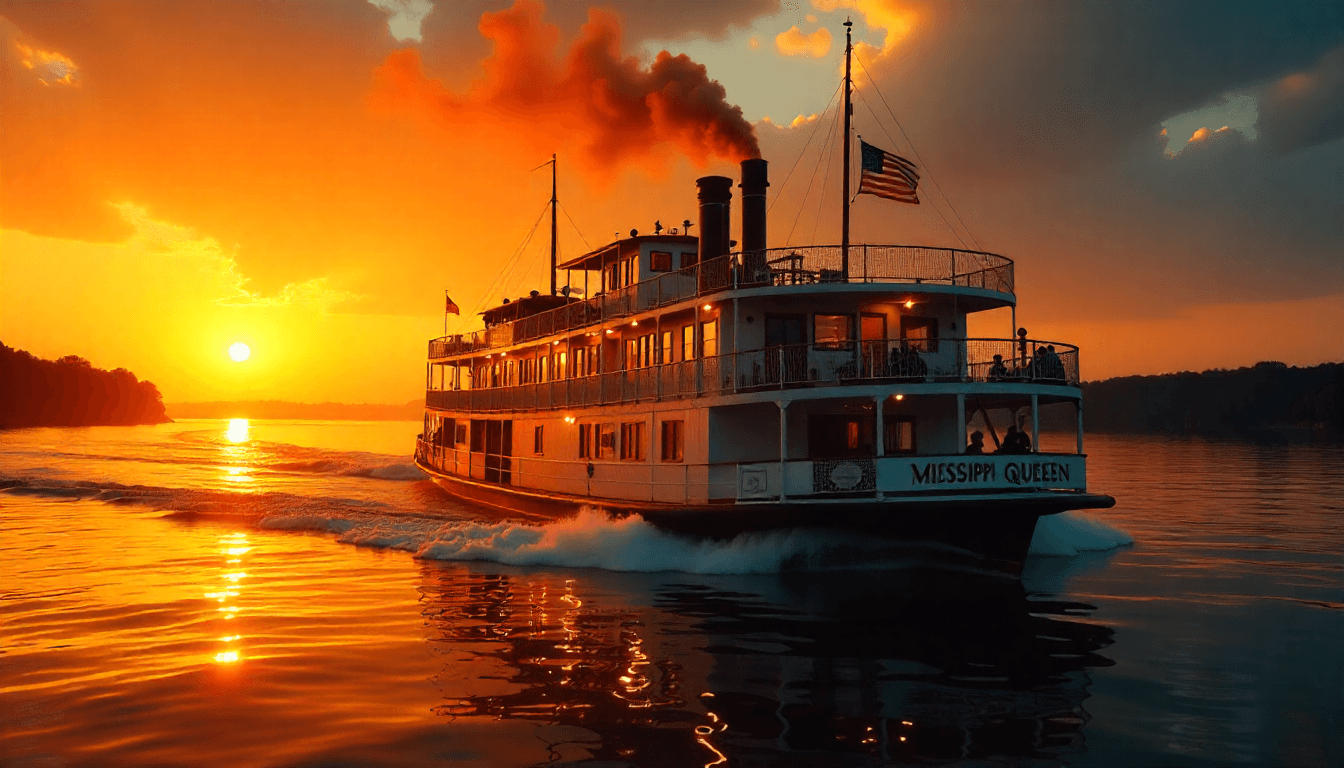
Boat naming gives owners a chance to mark a vessel as their own. The choice often draws from family stories, favorite places, or simply a phrase that feels right when spoken on the water. Some names stay quiet and personal while others invite a smile from anyone who reads them on the transom.
Why a Name Matters on the Water
A boat spends most of its life identified by its name rather than a hull number. That single line of text becomes the way other boaters hail you on the radio, how marinas record your slip, and how friends remember the weekend they spent aboard. Because the name travels with the boat, many owners treat the decision as a small but lasting form of self-expression.
Tradition plays a steady role. Coastal communities have passed down naming customs for generations, and plenty of owners still follow them in some form. At the same time, modern owners feel free to bend those customs toward humor or private references that only their circle will recognize.
📚 You may also like
Common Themes That Keep Appearing
Nature remains one of the most frequent sources. Words that evoke wind, tide, or open water appear again and again because they match the setting where the boat actually operates. Nautical terms also stay popular; short, clear phrases that read well from a distance tend to win out over longer or more complicated constructions.
Humor shows up regularly too. A light-hearted name can ease tension after a long day or simply signal that the owner does not take the whole enterprise too seriously. The best of these names still remain easy to pronounce and spell so they do not create confusion during radio calls or paperwork.
Owners sometimes look at boats listed for charter to gather ideas. Seeing how different vessels are presented can help clarify what style feels comfortable before committing to lettering on their own hull.
Legal Steps That Protect the Name
Most regions require boat names to be registered with the local authority that handles vessel documentation. The main practical goal is to avoid exact duplicates within the same registration area, since two boats sharing an identical name can create mix-ups in official records and radio traffic. Checking availability early prevents later headaches.
Once a name is approved, owners usually need to display it in lettering that meets size and contrast rules set by the same authority. These rules exist so that coast guard or harbor patrol vessels can identify a boat quickly from a reasonable distance. Materials that hold up to sun and salt water are worth the extra cost; cheap vinyl often fades or peels within a season.
Cultural and Personal Influences
Coastal regions tend to favor names tied to local geography or sea conditions, while owners farther inland sometimes choose references to lakes, rivers, or even land-based hobbies. Literature, music, and family history all surface as well. The common thread is that the name should still make sense when spoken by someone who has never met the owner.
Many people involve family members in the final choice. A name that carries shared meaning often feels more satisfying over the years than one chosen in isolation. At the same time, it helps to test the name out loud and to imagine it being used in routine situations such as calling the fuel dock or filing a float plan.
Frequently Asked Questions
How long should a boat name be?
Shorter names are easier to letter clearly and simpler for other boaters to remember. Most owners aim for two or three words that fit comfortably across the transom without crowding.
Can I reuse a name from a previous boat?
Many owners do carry a favorite name from one vessel to the next. The main requirement is to confirm that the name remains available in the new registration area and that any old documentation is properly closed out.
What happens if two boats end up with the same name?
Local registration offices usually catch duplicates before approval. If an identical name slips through, the vessels must add a distinguishing mark, such as a roman numeral, to keep records separate.
Do charter boats follow the same naming rules?
Charter vessels often carry names chosen by the management company rather than individual owners. The same registration and display rules still apply, though the name may change when the boat moves between fleets.