How to Buy a Used Boat: Complete Buyer’s Guide
Alexandra
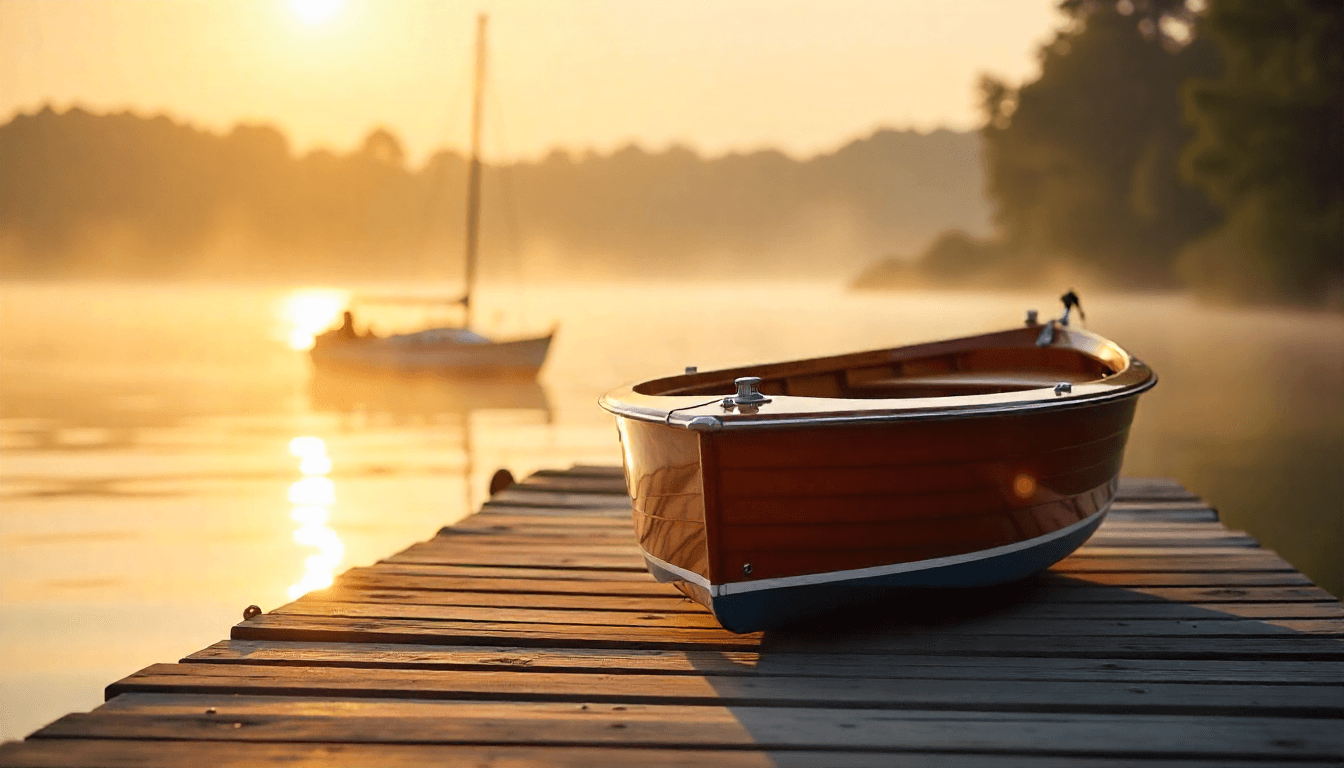
Buying a boat is a big decision, and learning how to buy a used boat can save you money while still getting you on the water with confidence. A pre-owned vessel can be a great investment if you know what to look for, how to inspect it, and how to negotiate with the seller. This complete buyer’s guide will walk you through every step of the process, from choosing the right model to conducting a sea trial before signing the paperwork.
Why Learning How to Buy a Used Boat Matters
Many first-time buyers get caught up in the excitement of ownership and rush into a deal without doing proper research. When you buy a used boat, you’re not just paying for a watercraft—you’re also inheriting its history, condition, and maintenance record. That’s why it’s critical to know how to check the hull, verify the hull identification number, and perform a sea trial before finalizing the purchase price.
A well maintained used boat can last 20 years or more, giving you endless opportunities for boating adventures at a fraction of the cost of a new model. However, a poor choice can leave you stuck with unexpected repairs, hidden liens, or even unsafe conditions.
📚 You may also like
Choosing the Right Boat for Your Needs
Types of Boats to Consider
Before you begin shopping, think about the type of boating you want to do. Are you planning fishing trips, water sports, or long coastal cruises? Different boats serve different purposes:
- Fishing boats: Built with open layouts and storage for rods.
- Ski boats: Perfect for water sports like wakeboarding and skiing. If you’re considering buying a used ski boat, pay close attention to the engine condition and wake features.
- Cruisers: Larger vessels designed for overnight trips.
- Sailboats: Great for those who enjoy wind-powered travel.
Each type comes with its own set of maintenance challenges, so think carefully before deciding which boat suits your lifestyle.
Size and Features
For beginners, a 16 feet boat is often a manageable size. It’s easier to trailer, store, and maintain compared to larger vessels. You’ll also want to consider the features you need—such as seating capacity, engine horsepower, and onboard amenities.
How to Inspect the Boat Before Buying
Exterior and Hull Condition
The hull is the foundation of any boat. Carefully check for cracks, blisters, or signs of repairs. Uneven paint or patchwork may also signal prior damage. Don’t forget to look at the hulls below the waterline, as this is where problems often hide.
If the hull shows signs of neglect, it could mean the owner didn’t properly maintain the boat. Ask questions and request maintenance records. Remember: always inspect the boat thoroughly, because issues here can be costly to fix.
Engine and Mechanical Systems
Engines are one of the most expensive components to replace. Listen carefully for irregular noises, smoke, or vibrations. Check the oil color, belts, and hoses. If possible, bring a marine surveyor along—they can detect problems you might miss.
Electrical and Interior Features
From navigation lights to onboard electronics, every system should be tested. Corrosion around wires may also indicate water intrusion. Inside the boat, check the seats, flooring, and storage compartments for mold or rot.
Documentation and Legal Checks
Hull Identification Number
Every vessel built after 1972 carries a hull identification number, much like a car’s VIN. Make sure this number matches the paperwork. A mismatch could mean the boat was stolen, salvaged, or has unresolved legal issues.
Title and Liens
Ask to see the boat’s title. Liens may still be attached to the vessel, meaning you could end up responsible for someone else’s debt. This is where working with a reputable seller helps protect your investment.
The Importance of a Sea Trial
No matter how good a boat looks on land, nothing replaces testing it on the water. A sea trial allows you to check handling, performance, and comfort firsthand.
During the sea trial, pay attention to:
- Engine responsiveness
- Steering and control
- Noise and vibration levels
- Stability and handling in different conditions
Conducting at least one sea trial is essential, and many experts recommend more than one, especially if you’re comparing multiple boats. A survey and sea trial together give you a complete picture of the boat’s condition before you commit to the purchase price.
Working With Sellers
Private Sellers vs. Dealers
You’ll find boats for sale through private listings, dealers, or online marketplaces. Each has pros and cons.
- Private sellers often offer better prices but less legal protection.
- Dealers may also provide warranties and financing options but usually at a higher market price.
Regardless of where you shop, remember that the seller may not always disclose every problem. That’s why inspections and sea trials are non-negotiable steps.
Negotiating the Purchase Price
Boat buying is much like car buying—there’s room for negotiation. Use what you’ve learned during inspections and the sea trial to adjust the purchase price. A seller who wants to sell the boat quickly may also accept less than the asking price.
Financing and Insurance
How to Pre Qualify for a Loan
If you’re not paying cash, it’s smart to pre qualify with a lender. Marine loans often come with terms different from car loans, and banks may require a survey before financing.
Protecting Your Investment
Insurance is another critical step. Policies vary depending on boat size, age, and location. Don’t forget to ask questions about coverage during hurricanes, theft, and accidents.
Final Steps Before You Buy
- Perform a last inspection with your marine surveyor.
- Confirm the hull identification and serial numbers match the title.
- Make sure the trailer (if included) is in good condition.
- Review all paperwork carefully before signing.
At this stage, you’ll want to answer your questions about the boat’s history and verify that the seller can legally sell the boat without restrictions.
Common Mistakes to Avoid
- Rushing into a deal without a sea trial
- Ignoring the hull condition
- Forgetting to check liens or title history
- Not asking for maintenance records
- Overpaying because you didn’t research the market price
These mistakes can easily turn an exciting purchase into a financial headache.
When It’s Time to Sell the Boat
Eventually, you may want to upgrade or step away from boating. When that time comes, you’ll need to sell the boat. Many owners sell boats through brokers, online listings, or directly to buyers. Just like when buying, you’ll need to provide documentation, answer buyer questions, and set a realistic price.
Conclusion: Start Your Boat Buying Journey
Learning how to buy a used boat is about patience, preparation, and knowledge. By conducting a sea trial, verifying the hull identification number, and carefully negotiating with the seller, you’ll avoid costly mistakes and ensure your purchase brings years of enjoyment.
Whether you’re buying a used ski boat for weekend fun or considering larger vessels for long journeys, the steps remain the same: research, inspect, test, and finalize with confidence. If you follow this complete buyer’s guide, you’ll be ready to take the helm and enjoy the water knowing you made a smart decision.