The Impact of Climate Change on Yachting and Boating: Navigating a Changing Sea
For centuries, the sea has been a symbol of freedom, adventure, and exploration. But today, those who sail its waters are witnessing firsthand the growing effects of climate change on yachting and boating. From shifting weather patterns to rising sea levels, the marine environment is undergoing profound transformations — and the yachting community must adapt.
Whether you're a seasoned sailor, a weekend cruiser, or a luxury charter guest, understanding how climate change impacts your time on the water is no longer optional. It's essential.
In this article, we explore the most pressing environmental shifts affecting the world of yachting and boating, and what it means for the future of life at sea.
📚 You may also like
Rising Sea Levels and Coastal Navigation Challenges
One of the most visible consequences of climate change is the steady rise in global sea levels. As polar ice caps melt and ocean temperatures warm, coastlines around the world are slowly retreating inland. This shift poses serious implications for both commercial and private boaters.
Marinas, docks, and slipways built decades ago may now be at risk of flooding during high tides or storm surges. In some regions, especially low-lying island nations, entire harbors have had to be elevated or relocated to remain functional.
For yachters, rising sea levels can alter navigational charts and create new hazards like submerged structures or shallower channels than previously recorded. Those who rely on tidal windows to pass through narrow inlets or sandbars must now contend with increasingly unpredictable conditions.
More Frequent and Intense Storms
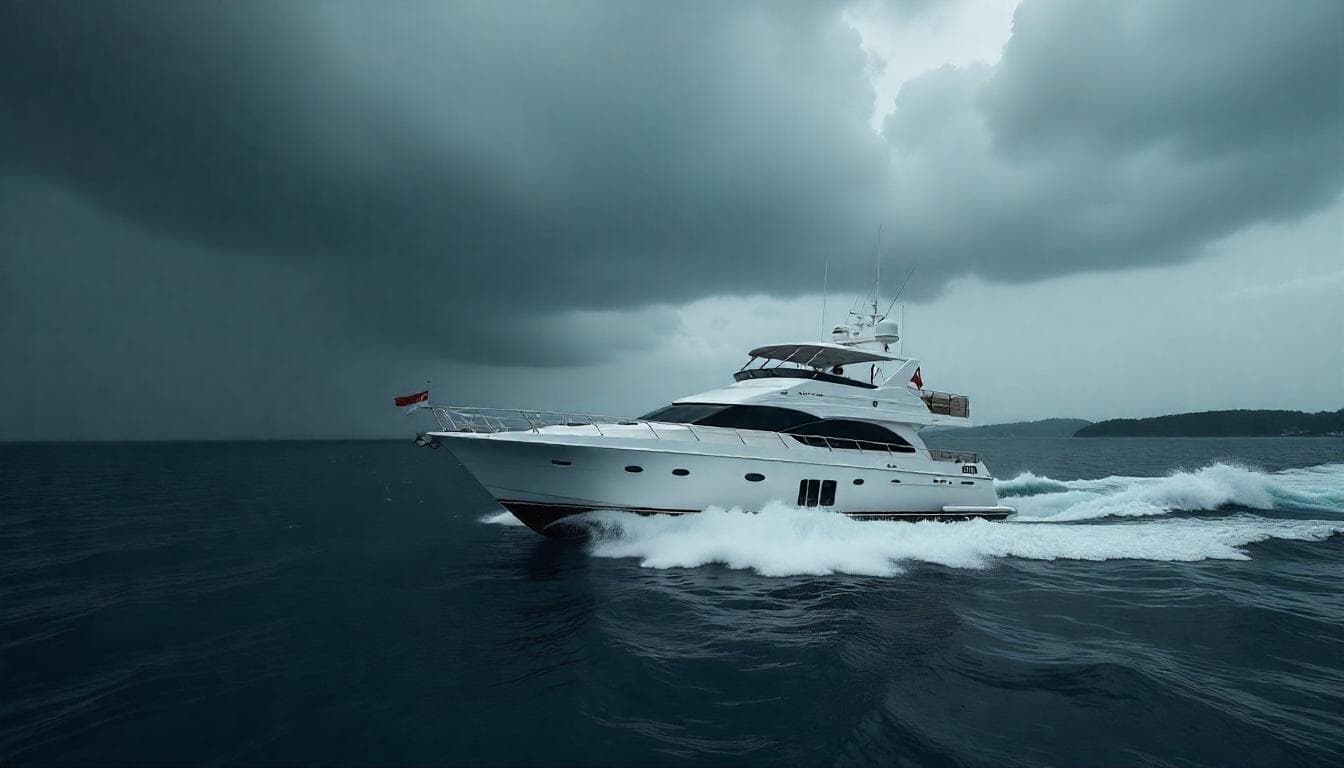
As global temperatures climb, so too does the intensity and frequency of tropical storms and hurricanes. These powerful weather systems not only threaten coastal infrastructure but also pose serious risks to vessels at sea or moored in marinas.
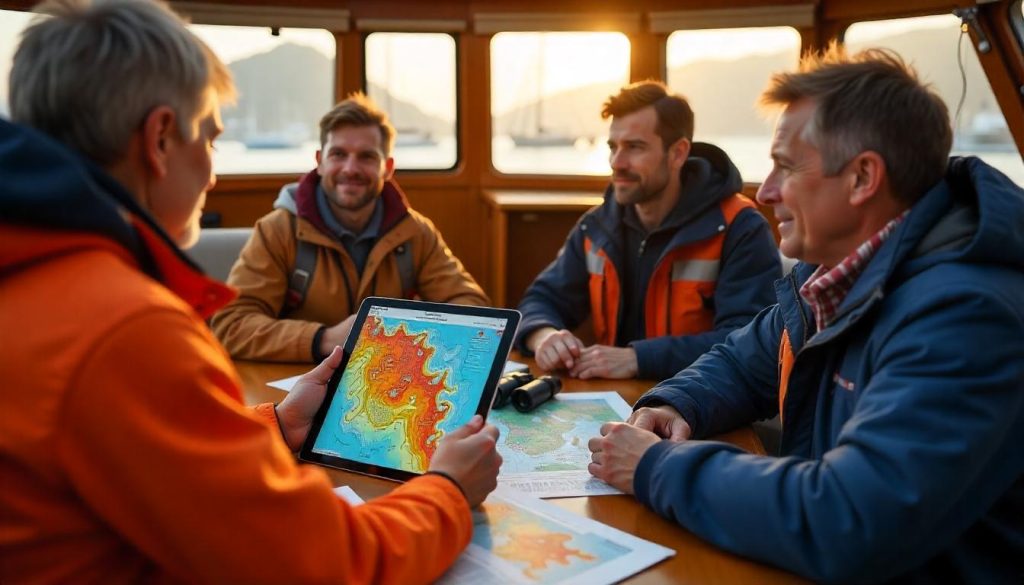
Yacht owners and charter operators are now paying closer attention to seasonal forecasts and storm tracks. Insurance premiums have risen accordingly, and many are investing in reinforced hulls, improved anchoring systems, and advanced weather monitoring technology.
For recreational boaters, this means planning trips with greater caution, checking real-time weather data more frequently, and sometimes canceling outings altogether when conditions become too volatile.
Warmer Waters and Altered Marine Ecosystems
The oceans absorb over 90% of the excess heat trapped by greenhouse gases, leading to warmer surface temperatures. While this might sound appealing to sun-loving sailors, it comes with significant ecological consequences.
Warmer waters disrupt marine ecosystems, causing fish populations to migrate to cooler areas and coral reefs to bleach and die. For yachters who enjoy snorkeling, diving, or fishing, these changes can diminish the richness of underwater experiences.
Additionally, algal blooms and jellyfish swarms are becoming more common in certain regions due to changing temperatures and nutrient imbalances. These phenomena can clog seawater intakes, damage engines, and even affect onboard desalination systems.
Changing Wind Patterns and Sailing Conditions
Sailing has always relied on the consistency of wind patterns — from trade winds that powered historic voyages to the reliable breezes that modern racers and cruisers depend on. But climate change is altering these patterns in ways that are difficult to predict.
Some regions report stronger and more erratic winds, while others experience prolonged periods of calm. These variations make route planning more complex and increase fuel consumption for motor-sailers and yachts relying on auxiliary power.
Long-distance sailors and regatta competitors alike are having to adjust their strategies and timelines, often consulting updated meteorological models before setting out on open water crossings.
Environmental Regulations and Sustainable Practices
With the growing awareness of climate change impact on yachting and boating, governments and maritime organizations are implementing stricter environmental regulations. Many countries now enforce limits on emissions, fuel types, and waste disposal practices for all vessels, including private yachts.
Ports and marinas are also adopting green policies, such as requiring shore power connections instead of generator use, offering waste recycling facilities, and promoting eco-friendly cleaning products.
In response, the yachting industry is innovating rapidly. Hybrid propulsion systems, solar-powered navigation tools, and electric tenders are becoming more mainstream. Some shipyards are experimenting with carbon-neutral materials and hydrogen fuel cells for future builds.
Economic and Social Implications for the Yachting Industry
Beyond the physical changes to the marine environment, there’s an economic dimension to the climate change impact on yachting and boating. Rising insurance costs, increased maintenance due to harsher conditions, and higher fuel prices are putting pressure on both boat owners and charter companies.
At the same time, there’s a growing consumer demand for sustainable travel options. Charter guests are asking questions about a vessel’s carbon footprint, energy sources, and environmental certifications. Companies that embrace sustainability not only reduce their ecological impact but also attract a new generation of conscious travelers.
This shift is encouraging innovation across the board — from zero-emission yacht charters to eco-conscious marina developments and carbon-offset programs for private yacht owners.
Adapting to a New Era of Seafaring
While the challenges posed by climate change are undeniable, the yachting and boating communities are proving resilient and adaptable. By embracing new technologies, following evolving safety protocols, and advocating for responsible stewardship of the oceans, sailors can continue to enjoy life on the water — just with a heightened sense of awareness and responsibility.
Education plays a key role. More skippers are taking courses in climate-informed navigation, and yacht clubs are hosting discussions on sustainable boating practices. Even casual weekend sailors are learning how small actions — like reducing plastic use or choosing biodegradable sunscreen — can collectively make a big difference.
Final Thoughts: A Call to Action for Every Sailor
The sea has always been a place of wonder and escape, but it’s also one of the first places to show the signs of our changing planet. The impact of climate change on yachting and boating is not a distant threat — it’s happening now.
By staying informed, making conscious choices, and supporting initiatives that protect marine environments, every sailor can help ensure that the oceans remain vibrant and accessible for generations to come.
So whether you’re preparing for a sunset cruise or planning a transatlantic voyage, remember: the way we navigate today shapes the future of yachting tomorrow.