


 简体中文
简体中文  English (UK)
  Русский
  العربية
  日本語
日本語  한국어
한국어  Magyar
  Türkçe
  Español
  Čeština
  Svenska
  Português
  Ελληνικά
  Suomi
Suomi  Nederlands
  Română
  Italiano
  Français
  Polski
  Українська
  Deutsch
  Slovenčina
 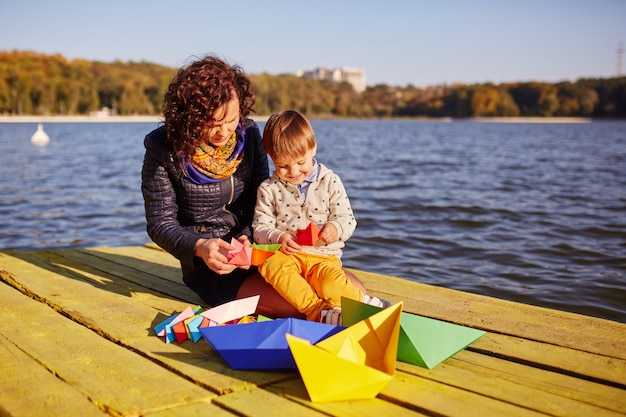 Top Tips for a Successful Family Yacht Charter with Children">

选择一个有遮蔽的旅游目的地 泳滩 以及平静的水面;确保舱室有 beds 以及一个紧凑的就座区;打包一个 jacket 在晚上;请确认 services 适合儿童;检查抵达和入住 times.
准备就绪意味着一切。 life jacket 适合儿童尺寸,在任何甲板活动中佩戴;验证儿童安全规则和船上须知。 services 符合当地法规;审查 意想不到 情景和简单的退出计划。.
围绕阳光和水建立每日节律;包括午睡时间、安静的活动和零食时间;准备一些简单的游戏和涂色纸。 beds 或在沙龙里以缓和过渡。.
选择膳食时,选择儿童友好的选项,并准备一些防水的零食;确认餐厅或 service 船上提供新鲜水果、三明治和饮料;确保有人负责烹饪和清洁工作,以便同伴们可以在水上和海滩附近放松身心。.
储物和床铺,一个紧凑的衣柜,以及一个轻便的夹克储藏处,有助于在海面变得顽皮时做好准备,或者 意想不到; 选择 services 超出日常的漂浮物,包括医疗包、备用电池和一个儿童安全锚固装置;始终准备好围绕安全目的地和值得信赖的船员的计划,以监督用餐和玩耍时间。.
妥善收集垃圾,保持船上环境。 泳滩, ,使用可重复使用的瓶子,并整理公共空间;平静的日子源于繁忙一年中整洁的船舱。.
为孩子们策划有趣的活动
建议:在载人船上设置一个90分钟的轮换项目:三个站点,每个站点25分钟,过渡时间5分钟。这能让精力充沛的年轻人保持参与度,通过在阴凉的船舱和甲板之间移动来最大程度地降低晒伤风险,并为家长提供可靠的监督点。带上必需品:水、防晒霜、帽子、饮料、毛巾和小型急救包;将他们带到遮蔽的码头可以使后勤工作更加顺畅,并确保站点之间的顺利交接。.
第一站 – 甲板寻宝游戏:创建与船只特征(舵、系缆柱、救生圈、绞盘)相关的、适合儿童的、宽松式线索。提供防水记录和铅笔。提供小奖品,例如英式主题贴纸,以庆祝准确性。由船员团队或家长的指定负责人观看该小组,以维持安全。.
第二站 – 手工与色彩:海洋主题拼贴画,使用回收瓶盖、纸张和胶水。这项传统活动将精力转化为创造力,并产生一份纪念品。确保提供充足的湿巾和可清洗的表面,并指派一位家长作为监督员,协助使用剪刀和胶水。.
第三站 - 快速科学与游戏:泡泡棒、使用食用色素的变色水测试以及一个简单的泡沫球接力赛。 将所有任务保持在栏杆和救生衣架附近,并确保每时每刻都有人在监督。 使用松散的设备,避免使用重型道具,以防止在巡航期间在甲板上滑倒。.
后勤与安全:租赁悬挂英国国旗、配备船员的选项可在活动期间提供训练有素的指导;在任何饮品休息前,指定一个最终安全检查点。确保防晒、补水和遮阳,以防晒伤;保持固定的活动选择,以便在天气变化时可以更换。当父母加入时,会建立情感纽带,分享这一时刻会加深信任,并使年轻人在整个旅程中保持参与。.
基于年龄的行程安排:根据孩子的年龄定制路线和岸上游览
从小小航海家(0-5岁)、好奇探险家(6-11岁)到大胆少年(12-15岁)三个年龄段。航线选择和岸上游览都针对每个群体进行调整,同时确保甲板上的休息区和阴凉区域都在视线范围内,从而保证在整个行程中的安全水上探险趣味盎然。.
-
小小旅行家(0–5岁)
-
策略:保持短途航行,在平静的海湾抛锚,并在甲板上设置遮蔽座位;在如家般的休息区安排小憩和安静的探索;在阴凉处计划亲近自然的时刻,同时享用清淡的饮料和小吃。包括小小的宝藏,如贝壳和安全的海岸线海洋生物一瞥。随身携带许可证件,以涵盖所有岸上活动;船员始终监督。.
-
后勤:选择1–2小时内的岸上游览,避免过度劳累;指定一个阴凉的甲板区域作为休息站,并设立一个靠近水边的专用游戏角,以确保安全。.
-
-
好奇的探险家 (6–11)
-
路线设计:延长岸上时间;自然漫步、浅水浮潜和简单的寻宝游戏教授环境和野生动物知识,保持步调稳定。使用由值得信赖的导游团队引导的方式;确保许可证已更新;如果意愿允许,至少包括一次在监督下的简短潜水入门。.
-
学习时刻:鼓励提问,记录想法,并在每站结束时总结所学;随身携带一个小工具包,用于收集自然标本,以及一份附近热门景点的地图。.
-
-
大胆的青少年(12–15岁)
-
探险窗口:沿着海岸线走更远的路,体验桨板冲浪、皮划艇和船员监督下的潜水;策划岸上徒步旅行,揭示当地历史和自然风光。准备充足的水,轻便的遮阳物,以及安排好的座位,供小组成员在探险间隙进行讨论休息。分配一些小任务,在路线上营造一种寻宝的感觉,并鼓励在确保安全的前提下进行独立探索。.
-
实用事项:穿戴合适的装备,携带小型急救包和防晒霜,并制定灵活的计划,以便在许可证和条件允许的情况下进行额外的短途旅行。.
-
安全简报和装备清单:每次出行应包含的内容和打包事项
首先进行一个简短的3分钟情况介绍,明确哪位客人负责无线电,谁负责照看学龄前儿童,以及哪里可以找到紧急出口和救生衣。.
安全装备和甲板穿着两部分装备日志:储存在防水箱内,表面保持清洁。.
简报涵盖规章制度、甲板上的隐私、儿童安全措施,以及船只布局、逃生路线、集合点和超级游艇礼仪的介绍。.
学龄前儿童需要防水雨具、防滑耐磨的衣物和安全的鞋类;保持尿布触手可及,并确保始终穿着尺寸合适的救生衣。.
租赁应来自经过认证的供应商;出发前测试无线电设备,检查儿童安全锁,并确认安全装备符合规定。.
将饮品储存在远离热源的冷藏箱中可减少溢出;更好的规划可以保护表面和甲板的美观;并且可以通过棋盘游戏或防水纸牌保持娱乐的简单性。.
锚的检查:确认锚具尺寸合适、已妥善存放且已准备就绪;检查锚链、锚绳和起锚机控制装置。.
靠岸后的存储计划:清除任何泄漏风险,擦干表面,并将尿布、电池和无线电配件存储在注重隐私的隔间中。.
快速入门活动:简短的手工艺、游戏和讲故事创意
从一个15分钟的轮换开始:一个快速的手工制作、一个小游戏,然后是一轮讲故事;这可以保持快节奏,同时确保每个人都安全地参与到甲板上的活动中。包租服务受益于一个清晰的、基于轮换的计划。这适用于各种船只和小型船艇。.
手工艺点子包括折叠餐巾纸帆船、泡沫指南针徽章,以及使用彩色纸、安全胶水和钝头剪刀制作的海洋场景拼贴画。准备一个包含这些用品的紧凑工具包,可以即时带来切实的成就感;包含一个小袋子,用于存放完成的作品作为纪念品。来源:简单、快速获取的想法,激发动手能力。增加颜色选择可以保持孩子们的参与度。选择适合年龄范围的手工艺品和游戏。.
迷你游戏:使用六个贝壳进行贝壳扫描记忆游戏,在安全甲板区域进行快速统计比赛,以及船长呼叫角色扮演游戏,其中一个孩子发出信号,其他孩子大声回应。每轮结束后查看时间以保持流畅性;计划轮换可以保持高能量,同时确保休息时间。他们轮流选择物品,所有动作都保持在安全设备触手可及的范围内。通过在甲板上提供浮潜和水肺主题的道具来增加多样性。设置一个孩子们切换任务的点。.
故事构思:与当日航行相关的快速提示,例如关于灯塔和友善海豚的传说;一人讲述多人接力的形式可以产生共享的故事。他们可以构建一个简短的情节,然后用一句话概括出一个寓意。提前计划很有帮助,检查零食、尿布(如果需要);当然,平静的海面有助于倾听。精力充沛的讲述者更能吸引注意力;这种方法具有极好的潜力,在娱乐的同时教授海洋知识和当地历史。尽管风平浪静,也要保持计划简单。建议每个人都待在视线范围内。强调短暂休息的重要性。根据孩子们的需要和精力来调整选择。包括以航行为主题的提示。.
Structured Daily Schedules: Time blocks for rest, play, and exploration
Advise a minimum 75-minute rest block after breakfast to reset energy and keep guests entertained through afternoon adventures.
Three core blocks anchor the day: rest, play, exploration. Above the routine, adapt times to the familys age spread and the destination. The amenities aboard support a steady pace on both yachts and catamarans, keeping safety, comfort, and rhythm in view.
Assign roles: one adult guides exploration, another coordinates drinks and snacks from the on-board amenities; kids help packing, organize gear, and stay entertained within limits.
Weather-ready planning: keep a temporary plan ready; if calm seas, extend exploration blocks; if wind rises, shift to shorter play blocks and more rest. This flexibility is common aboard experienced crews.
Guidance on gear and routines: a proper-size life jacket is mandatory; pack a compact kit; traditional routines such as sunset beverages happen on deck; keep drinks secure during movement; hold the line to keep kids safe; the guide ensures safe transitions between pontoon shore excursions and quiet anchor stays.
Designed to feel homelike on this vessel, the rhythm invites familys to share roles, remain engaged, and enjoy cruising toward the destination.
| Time | Block | 说明 |
|---|---|---|
| 08:00–09:15 | Rest and reset | Quiet time, stories, nap; ensure minimum rest; amenities such as fans or shade aid comfort. |
| 09:30–11:00 | Exploration on pontoon or catamarans | Guided marina stroll; above deck safety; roles assigned to adults and older kids. |
| 11:15–12:15 | Creative play | Arts, crafts; packing practice; prepare proper-size gear used in water activities. |
| 12:30–13:30 | Lunch and drinks | Light meals; salad, fruit; hydration kept up; amenities help. |
| 14:00–15:30 | Water-based exploration or shore visit | Short excursion; traditional experiences; supervise within sight. |
| 16:00–17:15 | Downtime | Reading; quiet games; temporary plan ready in case weather changes. |
| 18:00–19:30 | Dinner and wind-down | Group chat time; share stories; pack down; end at restful routine. |
Kids in the Crew: Easy chores, menu choices, and decision tasks
Set a 15–20 minute morning chores rotation posted on the guide board to look organized and to support steady motion between tasks; this service mindset keeps inside spaces tidy, reduces supervision needs, and matches traditional onboard routines, while listing amenities like life jackets, cleaning kits, and spare basic items on a visible board, including temporary labels for stations.
Assign roles using simple titles: Dish Captain, Deck Ranger, Bottle Monitor. Rotate leadership daily; their confidence grows, learning accelerates, and precious responsibility feels rewarding rather than punitive.
- Inside tasks: tidy cabins, straighten pillows, clear surfaces, sort small items, put away bottles and water jugs, check storage boxes, secure precious keepsakes, and ensure personal belongings stay in their place.
- Deck and floating areas: wipe rails, sweep, collect towels, secure cushions, inspect safety kit, and align fenders for easy look during mooring.
- Kitchen and mess control: rinse dishes and bottles, dry and store, wipe counters, set the table for meals, log course selections on the guide, and restock cleaning supplies in the facility closet.
- Breakfast options: quick oats with dried fruit, yogurt cups, fresh fruit, milk; assign a rotating kid to plate and serve under supervision.
- Lunch course ideas: fish tacos with corn salsa, veggie wraps, pasta with tomato sauce; include allergies and preferences; offer a popular option every rotation.
- Dessert and snacks: fruits, yogurt, crackers, cheese; beverages: water, juice, milk; label bottles to avoid mix-ups.
- Planning and provisioning: use the online website to pre-order groceries, renting a cooler or small grill can be handy; temporary shopping lists on the guide keep storage tidy.
- Decision tasks: present two or three options for the next activity; use a wipe-clean card to vote; the majority decides, with supervision to ensure safety.
- Ashore days: plan a half-day on beaches; rotate who chooses the site; document decisions on the guide.
- Evening options: movie night, quiz, or storytelling; schedule nights to keep routine calm and exciting learning moments about marine life.