


 简体中文
简体中文  English (UK)
  Русский
  العربية
  日本語
日本語  한국어
한국어  Magyar
  Türkçe
  Español
  Čeština
  Svenska
  Português
  Ελληνικά
  Suomi
Suomi  Nederlands
  Română
  Italiano
  Français
  Polski
  Українська
  Deutsch
  Slovenčina
  The Sailing Seasons Around the World – Best Times to Sail Worldwide">

Book Caribbean sails December through April to catch calm trades and reliable winds. This pace keeps your ship gliding through salt air at a steady tempo, and it avoids the rough bursts that come with the hurricane season. From roseau harbour to nearby coves, such a window makes port-hopping simple and enjoyable, with each day delivering a fine balance of sun and shelter.
In the northern region, late spring and early autumn offer dependable sailing along the Mediterranean, Aegean, and Atlantic coasts. Typical windows run from April to June and from September to October, which helps crews stay fresh and avoid the hottest midsummer days. That timing also tends to keep the seas calm, facilitating precise handling for smooth passages between each harbour and island. These itineraries require careful planning as you link multiple legs and plan weather windows.
In the Pacific and Indian oceans, windows from May through October tend to offer steady trade winds and clear passages, especially along the central and eastern routes. The bleu seas here move with predictable roll, and many anchors fall into secluded coves that protect crews from squalls. Always check nearby weather forecasts and choose harbours which provide safe shelter; a quiet park by the shore is perfect for stretching legs and swapping tales after a day on the helm.
Beyond the obvious routes, loiza on Puerto Rico’s coast and roseau in Dominica anchor cultural legs of the voyage. Each harbour and market nearby offers fresh food and friendly faces, a reminder that sustainability guides every choice–from reef-friendly anchors to waste separation. Such details help protect the 海洋 and keep sailing inviting for future crews.
Plan with the seasons of each region, keep a flexible pace和 respect forecasts to maximize safety and enjoyment on a global sailing itinerary.
Global Sailing Seasons Guide
Take December to April in the Caribbean for a luxury sail with a beautiful atmosphere, quiet anchorages, and open waters that keep your pace relaxed and your crew refreshed.
From virgin islands toward highbourne, plan a 7–14 day loop with connex trips between islets; you can anchor in parks and sheltered coves, letting deep blue water and steady trade winds shape a smooth ride. In peak weeks, ports can jost for space.
Mediterranean shoulder seasons–May, June, and September–offer mild days, manageable heat, and reliable seabreeze; choose open-water hops between Greece, Sicily, and the Adriatic to keep the luxury atmosphere and a strong feeling of ease.
Nordic routes shine from June to August with long daylight and fewer crowds; anchor in archipelago parks around Stockholm or Helsinki and enjoy a quiet, open ambiance that suits expert skippers and curious newcomers alike. These windows must be paired with a capable captain.
Indian Ocean options run strongest from October to April in Seychelles and Mauritius, with steady winds and clear lagoons; the Maldives peaks from November to April, while the May monsoon lowers visibility and crowds but opens remote coves for a fine escape.
South East Asia rewards Andaman Sea and Phuket from November to March; plan around the northeast monsoon and use sheltered bays for calm days, letting you take time for quiet snorkels and open-water sails.
South Pacific and Australasia offer a winter-to-spring window: Fiji, Tahiti, and the Great Barrier Reef shine from May to October; New Zealand and southern Australia are best from November to March, ideal for deep-water exploration and relaxed anchor stops.
Build your year-round plan with 2–3 regions, take fine trips, and let expert crews guide you toward them for a memorable experience. If youre planning, keep pace with the seasons and secure spaces early to enjoy the best berths and open horizons.
Best Months to Sail by Ocean Region
Caribbean sailing shines December through April, offering calm seas and steady trades across the antilles. If youre planning island‑hops between Saint Martin, Saint Barthélemy, Guadeloupe, and nearby islands, this window provides the safest, most predictable conditions. Book berths early, check paperwork for customs and pets, and stay flexible if weather turns require it.
Caribbean & Antilles
- Best months: December–April. Dry season brings reliable trades, calmer anchorages, and easier safety margins for a操作ful voyage.
- Why it works: known wind patterns support island-hopping between island groups; Saint destinations and the french Antilles are popular reference points for plan‑ning.
- Tips: monitor forecasts daily; for beginners, keep legs short and stay near protected bays; if youre seasoned, you can extend routes toward the antilles’ more exposed islets, but watch for late-season squalls. Ensure paperwork is in order before moving between territories, especially with pets aboard.
North Atlantic & Canary Islands

- Best months: May–July for crossings from the Azores/Portugal toward the canary; September–October offer a secondary window with milder northward pushes as storms ease.
- Why it works: the canary region enjoys relatively stable trade winds and milder temperatures, making a steady pace along mountain-fringed coasts more comfortable for a long vessel voyage.
- Tips: sail from portsmouth‑area hubs or western Europe only after a careful weather monitor; plan reserve days for layovers on island arcs; use reference charts for anchorage options on each island stop; keep your vessel’ safety gear ready and check mountain‑adjacent winds that can turn quickly.
Indian Ocean & Indian Subcontinent
- Best months: October–April for northern routes and Madagascar–Mauritius lanes; May–September is challenging along western coasts due to heavier rains and storms.
- Why it works: the NE monsoon season creates favorable winds for some routes, while the SW monsoon intensifies seas in others; plan by subregion and avoid peak rain periods.
- Tips: French‑influenced ports and island groups (like the french territories in the region) offer good stopovers for provisioning; monitor weather models closely and stay compliant with local paperwork when entering new jurisdictions.
Pacific Ocean
- North Pacific: May–September provide the best sailing conditions; avoid peak typhoon risk in July–September by timing departures toward late spring or early fall where feasible.
- South Pacific: April–October delivers drier tradewinds and calmer nights for island-hopping among island groups across the vast expanse.
- Tips: in both hemispheres, keep an eye on cyclone or typhoon forecasts and have contingency ports in mind; for long passages, a well‑planned schedule helps you stay on track with multiple sheltered anchorages and safe havens along the way.
General notes: start with a solid reference plan, monitor forecasts daily, and book early for peak seasons. For crossing routes or extended legs, discuss routes with an experienced skipper, keep your paperwork up to date, and ensure your vessel is ready for long legs or pets aboard where allowed. Mountains and island groups can create local wind shifts, so keep a flexible plan and stay safety‑minded throughout the season. If you want a quick check, keep a paper backup of your itinerary and a digital log you can share with a port authority or an adviser.
Trade Winds, Currents, and Sea State You Can Count On
Choose june for the crossing when trade winds are steady and currents align for a smooth trip. This period minimizes slow tacking and keeps seas quiet enough for a comfortable hop between isles, with opportunities to join jolly festivals ashore. This period is ideal for long hops.
In the tropics, the classic trade winds blow from the northeast, delivering a reliable breeze of roughly 15–25 knots on most days; the breeze shapes every leg of a coastal hop and helps you time sails with tidal changes. Currents run NW through the Caribbean at roughly 0.5–2 knots near the surface; near the Florida–Bahamas edge, the Gulf Stream can tighten the seam of the route, so plan to ride with the wind to make the most of it.
Sea state tracks the wind and fetch: NE trades produce chop that is typically 2–4 ft offshore, increasing to 4–6 ft with stronger trades or squalls; storms fade as the season shifts, but you should still check the forecast daily and be ready to shorten or reroute legs if needed. For calm starts, pick sheltered harbour approaches where the breeze settles and anchorages feel quiet.
Harbours, facilities, and ports along the way create reliable stops: Highbourne and Saint Vincent offer quiet anchorages with easy access to island services; portsmouth harbour in the UK provides robust facilities, fuel, and repair options, handy for long-haul trips that run through Atlantic entrances. Each leg earns its own name on the logbook, a small milestone you can celebrate with a clean, efficient ride and a balanced crew mindset. Because the wind depends on the season and region, plan with a flexible route that lets you switch to an easier leg if currents shift or a squall forms.
| Region | Prevailing Winds | Current Notes | Sea State | Best Window | 说明 |
|---|---|---|---|---|---|
| 加勒比地区 | NE trades, 15–25 kt | Caribbean Current NW 0.5–2 kt; Gulf Stream influence near edge | 2–6 ft offshore; squalls can push to 6–8 ft | December–May | Isles hops; plan june to hit festivals; sheltered harbours help start legs |
| Highbourne / Bahamas area | Moderate NE–E trades, 12–22 kt | Shallow banks modulate local currents | 1–3 ft typical | Nov–May | Harbour facilities; easy access to Nassau and protected approaches |
| Saint Vincent & Grenadines area | Trade winds 15–22 kt | Local currents align with isles | 2–4 ft | Nov–Apr | Ideal for isles hops, quiet anchorages, good sailing rhythm |
| Portsmouth harbour (UK) | Westerlies, 12–28 kt | Channel currents and tidal streams | 3–5 ft in westerlies | May–Sep | Facility-rich stop with fuel, repairs, and easy rail/road access |
Storm Risk Windows: Hurricanes, Typhoons, and Cyclones by Destination
Plan Caribbean voyages in late May to early June or late November to early December to stay well clear of peak storm risk. The risk window consists of two broad periods: late spring and late autumn. In the waters across the Caribbean and the wider Atlantic, the core hurricane window runs June 1–Nov 30, with the most activity August through October; choosing these slots keeps seas calmer and your summer sailing full of smooth passages.
For Juan and other Caribbean itineraries, check forecasts weekly and keep hops smaller in peak risk months. May and December bring steadier trades, snorkeling conditions, and access to caves and palm-fringed coves; this reduces delays and helps your plan stay on track.
In the Western Pacific, typhoon risk peaks July–October. If you can, sail February–April or November–January to enjoy calmer seas and fewer disruptions; this often matches lower price windows and makes the voyage easier for anyone.
Cyclone risk in the Indian Ocean centers on the Bay of Bengal and Arabian Sea during April–May and October–December. February–April and December–February offer calmer seas and a more sustainable schedule for offshore explorations, with fewer large squalls and more chance to check caves and reefs when weather stays friendly. Heres a practical pointer: nonsuch calm weeks exist between monsoon pulses.
Australia’s cyclone season along the north coast runs November–April; plan May–October to sail around and across the islands with reduced risk, enjoying better visibility, cooler nights, and more reliable trades for long, full days of sailing.
Heres a practical checklist to navigate storm windows: use connex alerts, take a flexible plan, ensure safety gear, sustainability practices, check forecasts, and choose smaller sails to lower price and emissions. Across the world, this approach keeps waters safe for anyone and makes every voyage more enjoyable.
Itineraries by Skill Level: From Novice to Seasoned Sailors
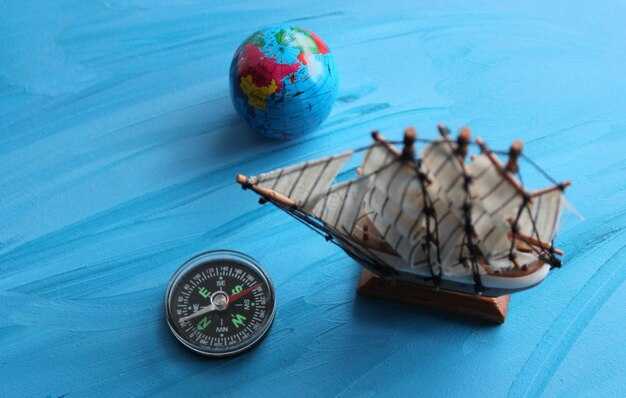
Begin with a 4–5 day roseau–portsmouth circuit in dominica to build confidence on sheltered water. Such routes keep you inside the island’s lee, with coco shops for provisioning, palm-fringed bays for anchorages, and little currents to manage when you move between stops. Winter winds here stay steady, making the times predictable and easy to follow. Markets offer beef, fresh fruit, and coco-based snacks, so plan a little extra room in the locker. This itinerary feels safe for first-timers and generally requires only light gear; mind the mooring lines and watch for changing weather as you sail between each stop.
Intermediate plan, 8–12 days, expands to a broader leeward loop: roseau to nonsuch bay (antigua) with a stop at wickhams cay for a sheltered night, then south toward wavine on grenada’s coast, and back up through cays and bays to finish where you began. Between stops you enjoy attractions such as local markets, calypso tunes, and reef dives, while keeping a comfortable pace that typically covers 25–40 nm per day. This itinerary feels like a natural step up from the novice loop and generally requires more planning and a little extra provisioning. When you cross into new jurisdictions, complete immigration formalities and clear at each port; the road ashore offers simple access to shops and eateries, and you can schedule a beach crawl while you wait for sails to dry.
Seasoned plan, 14–21 days, threads grenada, carriacou, petite martinique, dominica, guadeloupe, antigua, saint-barth, and saint-martin into a wide loop. You sail longer legs, typically 25–50 nm per day, with anchorages after sunset in palm-fringed coves. Between stops you sample attractions from cliff hikes to markets, and you refresh provisions at coco shops. This itinerary may include revisits to nonsuch and wickhams cay to split days and keep seas comfortable. A nova breeze often shifts in the afternoon, helping you cover more miles before dark. Winter windows broaden safe passages, but monitor swell and be ready to adjust. For border crossings, immigration paperwork and clear documentation must be in order at each new port; staying flexible and prepared makes the plan doable even on challenging days.
Prep Essentials: Gear, Navigation Apps, and Safety Plans
Choose a compact VHF handheld radio with spare battery and waterproof case for reliable comms at sea. Pack life jackets for every person, a throwable buoy, a signaling mirror, and a whistle. Include a PLB or EPIRB and a small first-aid kit with seasickness tablets. Add a dry bag for phones and maps, a compact toolkit, spare fuses, and a spare impeller. Bring a sturdy headlamp with extra batteries and a few chemical light sticks for emergencies after dusk. Carry water, energy bars, and a lightweight sun shade to stay comfortable during long hops between coves. When you chart a route through the eastern Caribbean toward culebra and lucia, mark buoys and hazards on your paper chart and then verify them on your chart app. This mix keeps you mostly prepared and ready for an exciting week of island-hopping, with last-minute changes handled calmly.
Install Navionics, iNavX, and Gaia GPS, and download offline charts for the eastern Caribbean, including basse-terre, culebra, and lucia. Create a waypoint list for anchorages and quiet spots, and save notes on currents and buoys. Keep your phone in a waterproof case and pair the device with a rugged power bank. Use a connex satellite hotspot to receive weather alerts and share your position when signal fades. Download depth and sea-state overlays to help plan longer hops and pick calmer harbors. Keep some backup maps in a dry pocket and rehearse a simple weather-check routine with the crew.
Safety plans: draft a float plan, share it with a trusted contact, and set daily check-ins. Practice a man-overboard drill in calmer bays and rehearse a quick radio call using your VHF. Assign roles at the nav station and keep a laminated list of steps. Adopt a sustainability mindset: minimize gear, reuse items, and favor moorings and reefs that reduce impact. Consult an expert skipper for local hazards along your route and adapt to conditions. With these steps, island-hopping stays exciting and nights stay calm.