


 简体中文
简体中文  English (UK)
  Русский
  العربية
  日本語
日本語  한국어
한국어  Magyar
  Türkçe
  Español
  Čeština
  Svenska
  Português
  Ελληνικά
  Suomi
Suomi  Nederlands
  Română
  Italiano
  Français
  Polski
  Українська
  Deutsch
  Slovenčina
 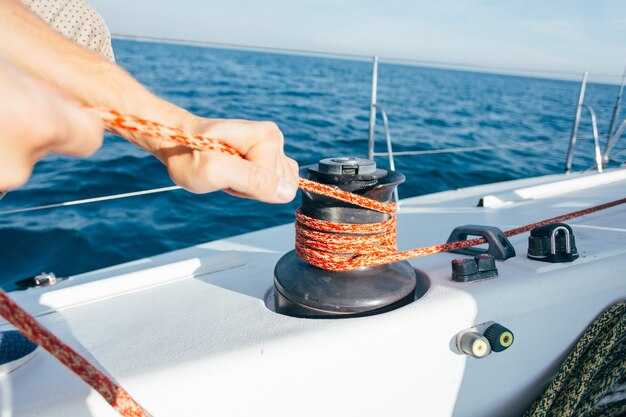 The Dos and Don’ts of Sailing Etiquette – A Comprehensive Guide">

Always announce your arrival on the dock and introduce yourself to someone nearby to prevent misunderstandings. A quick hello with your boat name sets a tone of courtesy and helps keep the harbor organized. It becomes natural once you practice it daily, and others will anticipate your moves, making the first minutes smoother.
Respect zones in marinas and on the water: sail within your designated area, yield to boats with limited maneuverability, and avoid crossing paths in busy channels. Know your responsibilities as a 船家: communicate clearly, keep decks organized, and secure rigging so lines won’t snag or drift. Joining clubs or enrolling in courses expands deeper knowledge and helps you learn proper etiquette through real scenarios.
Before departure, inspect rigging and safety gear, and perform antifouling checks if your area requires it. Use proper mooring techniques, and keep awnings and sails secured to prevent chafing in gusts. In friendly fleets, instructors emphasize routines that build an organized flow from docking to departure.
During maneuvers, communicate with crystal clarity using standard signals or radio calls. Be mindful of newcomers on arrival: avoid lingering near crowded pens, give space to larger vessels, and offer simple guidance to help them feel welcome. Reading the sense of the water and the crew around you makes every move smoother.
Make etiquette a routine by practicing with courses, mentoring new sailors, and sharing tips about antifouling, rigging, and dock manners in your clubs. Being organized, thoughtful, and approachable turns a casual day on the water into a safer, more enjoyable experience for everyone.
Sailing Etiquette and UK Sailing Rules: A Practical Reference
Always yield early near docks and busy channels. Set the wheel with a smooth touch, reduce engine power, and keep to no-wake speeds in harbour approaches to give other vessels time to respond. If you see a close pass coming, dont hesitate to slow further and adjust course.
As a sailboat, stay visible and predictable. Trained crews communicate clearly in the cockpit, calling out ‘starboard’ or ‘port’ and avoiding maneuvers that happen suddenly.
Signal intent: use VHF channel 16 for important messages, and highlight plans to improve utilization of the channel. Clear hand signals and spoken calls help other vessels follow your intentions.
No-wake zones near docks and moorings require steady speed. Provide space for swimmers, paddleboarders, kayaks, and other small craft; this reduces risk and makes exchanges smoother. Many skippers appreciate this courtesy.
Dock etiquette includes offers of a helping hand when landing lines, plus thanking others after a successful tie. This simple courtesy builds a cooperative atmosphere on the quay and at the helm.
Some crews train trainees in safety drills; inviting guests to explore the basics builds confidence and better seamanship. In a busy harbour, keep interactions calm and avoid blocking passing sailboat or motor vessels.
UK rules emphasize respect for larger vessels and byelaws. For a sailboat, keep to a safe distance from powered craft and avoid blocking channels; your vessel should stay above the wake to maintain visibility. This will reduce near-misses and improve traffic flow.
Return to your home port with tidy lines and a prepared cockpit. Before mooring, cover fenders, secure halyards, and confirm the wheel response. Providing orderly practice and good habits will leave many crew feeling ready to go again.
The Dos and Don’ts of Sailing Etiquette: A Practical Guide and UK Sailing Rules
Always announce your approach to a pontoon and wait for a clear gap before tying up or passing moorings.
In shared environments, sailors carry shared responsibilities. Keep wash gentle, limit speed near other boats, and stow lines and fenders so they don’t snag propellers or create hazards for sailors on the water.
Expectations in local waters emphasize courtesy: give way to sailboats under sail, communicate clearly with short signals or VHF, and keep a safe distance from the traffic. If fear arises in crowds, stay in sheltered areas and seek advice from local sailors before venturing into busy anchorages. This is a critical habit for protecting the environment and keeping communities welcoming.
UK rules rely on COLREGs and marina guidelines. Maintain a persistent lookout, use proper lights at night, and signal your intentions clearly before overtaking or crossing paths. Environmental awareness shapes every action when you share anchorages and channels, and this approach helps sailors coordinate on busy waters. On the water, sailboat crews should communicate early to adjust courses smoothly.
Environmental care matters as much as seamanship. Use antifouling practices that comply with local guidelines; wash hulls only where allowed, collect wash water, and dispose of waste at approved facilities. Remember, environmental choices affect the shared environments you explore as a sailboat crew.
Dress for deck safety with non-slip clothes and appropriate life jackets; keep lines coiled and footwear secure; avoid loose clothing or jewelry that can snag winches or cleats.
When approaching anchorages, steer a controlled course and give space to the boats already at anchor; select a seabed suitable for anchoring and set the anchor with enough scope to hold position in tidal flows. Check local restrictions and maintain a respectful distance from shorelines and other craft.
You’re more confident on deck when you plan and communicate with the crew and nearby sailors, which makes everyday operations smoother and safer.
| Do | Don’t |
|---|---|
| Announce approach to a pontoon or mooring with a clear signal | Approach without signaling or crowding others |
| Keep wash low and give space to sailboats and other vessels | Rush through channels or violate right-of-way rules |
| 提前通过甚高频无线电话或适当的声响信号沟通意图 | 忽略信号或误导他人关于你的计划 |
| 遵守当地关于锚地和环境保护的准则。 | 漠视环境法规或将废弃物留在水中 |
| 穿着防滑的服装,并固定缆绳以防缠绕 | 在绞盘附近穿着湿漉漉的装备或宽松的衣服在甲板上走动 |
狭窄航道和繁忙码头中的通行权
在狭窄航道中,船只应靠右行驶,并避让来自相反方向的船只。将速度降至最低,且两艘船只都应保持可预测的航线,以最大程度地减少对他人的困惑。.
在繁忙的码头,采取简单的流程:识别直航船与避让船,例如用短促的鸣笛声或无线电呼叫示意意图,并利用可预测的动作来避免意外。.
夜间操作需要更高的能见度:打开甲板和航行灯,确保绿色航道标志清晰可见,并计划一个平稳的进场方式,以减少可能突然惊吓附近交通的行为。.
示例场景:一艘拖船和一艘小型快艇驶近码头附近狭窄的航道;快艇让行,拖船保持清晰航线,双方通过速度调整安全通过。.
驶离繁忙的游艇码头需要注意行人、码头上的餐厅和码头边的活动——如果附近有酒吧,要考虑到较高的人流量,并规划好出口,在你和其他人之间留出安全距离。.
了解法规至关重要;请查阅当地法规和标志,以符合世界各地通用的指导准则;当情况发生变化时,调整路线以保持畅通。.
有时环境需要更大的弧度;使用自然的间距,以避免在码头附近挤到其他船只和行人。.
长期实践终有回报:建立一套进出码头的固定程序;配合海图、固定航标以及礼貌的沟通,可将风险降至最低。.
超车、超越和尾流管理
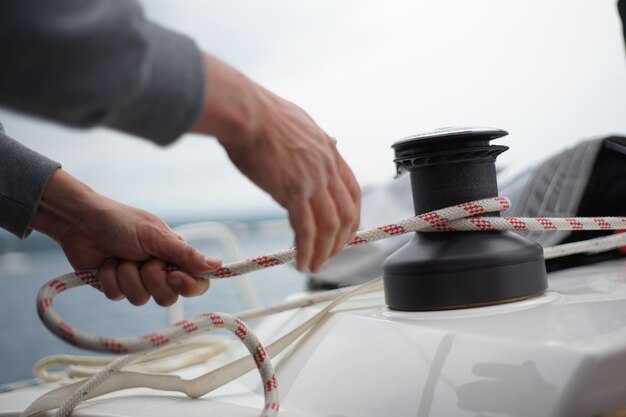
提前计划超船,尽早并清晰地发出信号,并保持冷静、中立的线路,让参与的每个人都能享受整个过程。这可以减少意外,帮助您享受过程,并在水上度过愉快的一天。.
-
评估空间和时间
在繁忙的水域中,经常需要寻找空间。寻找前方一段长而清晰的区域;你会找到一条安全的路线。如果你看不到安全的路线,等待并重新评估。这种方法建立在耐心和为他人着想的基础之上。.
-
沟通与协调
表明你的意图,发出简短的信号,然后倾听另一位舵手的回应。同样,确认两位船长都符合协会的指导方针或当地惯例。.
-
选择传球一侧,并保持一条可控的线路
选择能最小化尾流的一侧;一旦选定,保持稳定的航线。保持中性航向,避免突然转向,以防止其他船员混淆。.
-
尾流管理和速度控制
保持尾流平缓;大的尾流会让人感觉像是船体下方着火,并且会干扰其他船只。当您开始超船时稍微减速,然后在您明显驶过被超船只的船头后才重新加速,这样只有在必要时尾流才会变高。.
-
特殊情况:钓鱼和拥挤区域
当有渔船时,给它们额外的空间;通过时保持足够的距离,以避开渔线或渔具。请保持安全距离,不要逼近;许多渔民依赖稳定的水域和平稳的航行。.
-
传球之后
平稳地回到你原来的航线上;检查船尾是否有来往船只,并耐心地重新加入队列。没有必要着急;关注他人会使航程对所有人来说都更加愉快。.
清晰沟通:VHF 无线电使用、手势信号和呼叫方式
始终先进行快速VHF检查:设置为16频道,确认您的无线电工作正常,然后在请求用于日常通信的频道之前,宣布您的船名和位置。这可以建立信任感,并保持交通安全畅通。.
VHF使用和流程:保持在16频道的不间断监听。如果被呼叫,回复你的船名和位置,然后询问对方首选的工作频道,并转移到该频道进行详细交流。保持消息简短明了,清晰发音,并以“over”结尾以邀请回复。通过重复关键点来确认你已理解,并在需要时记录后续行动。.
甲板上的手势信号:在狭窄空间内,使用简单、熟练的手势来补充无线电呼叫。停止/保持:朝另一艘船只举起张开的手掌。靠舷或确认:用摊平的手朝自己挥动。减速或调整:用张开的手做小圆周运动。向左或向右移动:指向您想要前进的方向。虽然无线电仍然是可靠的远距离链接,但手势信号可以加快近距离操作。与船员的定期练习可以建立共同的节奏感,并减少在繁忙时刻对语言的依赖。.
操作指令:转弯前,清晰地说明动作——”向左舷转弯,10度”,或“向右舷转向,航向120度”。与舵手确认距离和方位,并宣布何时缆绳已固定或船员已上甲板。后续船只依靠这些精确的指令来保持计划的可见性。.
环境与操作规范:保持缆绳、渔具和衣物远离交通要道;在甲板上指定安全区域晾晒缆绳和衣物,远离绞车。在交通较少时安排清洁和日常任务,以保持环境的宁静,避免中断关键操作。一个干净的共享工作空间可降低沟通不畅和受伤的几率。.
训练和演习:向新船员教授呼叫、手势信号和甚高频检查的步骤,然后在平静水域练习,并逐步增加复杂性。通过记录经验教训和更新程序来保持持续改进的循环。一个可靠的检查清单有助于确保每个操作阶段的安全,并建立船员之间的信任。.
紧急情况处理程序:如果您发现火情或遭遇遇险呼叫,请切换至16频道,说明船名和位置,并提供您的确切位置和情况。使用清晰的口头指令指挥船员,并在情况允许时切换回16频道。保持通信链路畅通,避免广播非必要信息,并在确保安全的同时,与附近船只协调,尽量减少对他人的干扰。.
码头礼仪:系泊、靠泊和空间共享
在靠岸前,准备好挡泥板、缆绳,并制定清晰的计划。这个简单的步骤将节省时间,防止损坏,并在您将船系泊到平静泊位时确保船员安全。.
-
靠泊方法和缆绳
- 从计划开始:在甲板上安排一名缆绳员,缓慢靠近,并保持稳定的速度,以便您可以在距离桩一船长的距离内停下来。.
- 在前部系泊两根缆绳,在尾部系泊一根缆绳,并在每侧系泊一根横向缆绳以控制前后移动;保持挡泥板的位置,以保护船体和附近的船只。.
- 确保缆绳清洁干燥;必要时安装防磨损保护;检查系缆柱是否坚固,并能承受负荷。.
-
donts
- 不要过度拉紧缆绳,或以损坏硬件的方式将缆绳缠绕在系缆柱上。.
- 避免阻挡过往船只或妨碍公用设施的使用;不要在他人附近全速运转发动机;避免产生尾流的突然变向。.
- 切勿将垃圾、油腻抹布或燃料留在码头区域;请妥善处理在码头容器中,切勿倒入排水沟或水道中。.
-
靠泊和空间共享
- 通知附近的船长你的泊位意向;如果你的长船会挤占泊位,请要求留出一些缓冲空间。.
- 为过往船只和机动船只留出空间;系泊桩前测试水线距离。.
- Keep decks clean and dry; store hoses, lines, and fenders neatly; yourself and your crew stay aware of others moving along the dock.
-
Marina responsibilities and community
- Check in with the marina office and follow posted rules; report issues promptly to keep marinas peaceful on busy days.
- Be equipped with waste bags, absorbents, and a broom so you can clean spills quickly; encourage fellow skippers to do the same.
- Respect quiet hours and contribute to a peaceful environment that supports the community during long trips and weekend visits.
-
Passing, wake management, and safety
- In narrow channels, yield to vessels that would be overtaking; signal your intentions early and slow down to minimize wake for those alongside.
- Maintain a compass‑like awareness of your position relative to pilings and vessels; avoid swinging into others’ berths.
-
Storm readiness and busy days
- When a storm is forecast, reinforce moorings, check chocks, and consider moving to a sheltered berth if possible.
- On busy days, plan arrival times to reduce congestion; coordinate with marina staff for slips or long‑term spaces; use a special checklist to ensure nothing is left running loose.
- For weekend trips, keep the deck clean and equipment stowed so you can depart quickly if weather changes.
Legal Basics for UK Sailboats: Required Equipment and Registrations
Register the vessel under the UK flag and keep the registration certificate onboard; confirm the registration is current and display the flag clearly when sailing. If youre unsure about the process, contact your local harbour office for quick guidance.
Equip the boat with the following essentials: a lifejacket for every person on board; a throwable buoyant device; a VHF radio with DSC; navigation lights for night sailing; a compass and basic chart kit; a fire extinguisher appropriate to the galley and engine compartment plus a fire blanket; a first aid kit; a bailer or manual bilge pump; an anchor with ample rope or chain; fenders and mooring lines; a whistle or horn for distance signaling; and distress signals or a flare kit as required by your area. Keep a kitchen area tidy and accessible to prevent trips and maintain a clean deck to reduce the risk of slips. This needs careful pre-departure checks. A single equipment failure can shatter plans; therefore check equipment before departure.
For safety checks and compliance, sailboats in the UK must pass the Boat Safety Scheme (BSS) examination where applicable and carry proof of compliance on board. Particularly for liveaboards, review marina rules, waste disposal arrangements and sanitation; pollution prevention protects the environment and helps preserve the harbor’s quality. Make sure you regularly inspect hull fittings, rigging, and anchor gear; they reduce risk of failure at sea and help preserve your vessel’s value. Be mindful to avoid disturbing neighbors or wildlife; quiet operation supports smooth sharing of waterways and reduces complaints about speeding, noise and pollution.
Tips for keeping expectations realistic: Even a fancy setup won’t compensate for skipped checks. Schedule annual equipment checks, keep spare parts, and store tools in a practical locker; choose correct gear for the season; invest in reliable charts and a robust compass; maintain a clean galley and kitchen, ready for meals on long passages. For liveaboards, factor extra storage and waste management into your setup; always verify you have the correct documentation and that your owner details are up to date. Follow the rules, and a wonderful sailing experience will stay smooth and enjoyable.