


 简体中文
简体中文  English (UK)
  Русский
  العربية
  日本語
日本語  한국어
한국어  Magyar
  Türkçe
  Español
  Čeština
  Svenska
  Português
  Ελληνικά
  Suomi
Suomi  Nederlands
  Română
  Italiano
  Français
  Polski
  Українська
  Deutsch
  Slovenčina
 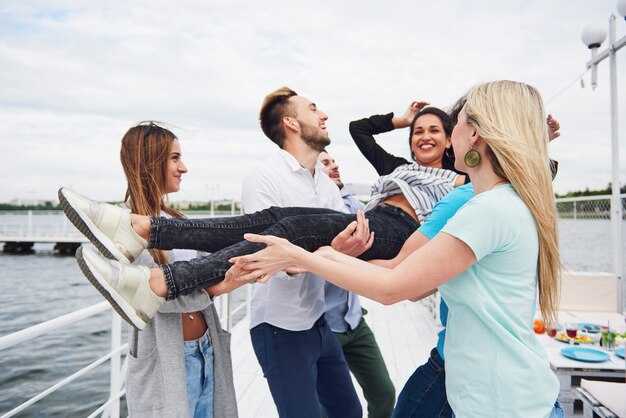 Team-Building on a Sailing Yacht – 9 Easy Activities Under the Sails">

Start with a 15-minute on the deck alignment led by the skipper to assign roles, capture targets on paper, and map the whole plan for the series. This concrete start anchors expectations, accelerates collaboration, and ensures every hand on deck knows their part from the outset.
Structure nine practical tasks into a series that accommodates diverse skills. Each exercise centers on real-world objects and deck-issued constraints, forcing teams to move through steps with data from previous rounds and quick hand-offs. Such design emphasizes collaboration over solo work and ensures the entire crew participates.
Example tasks include: 1) a deck-side relay to transport small objects between teammates while a timer records data, requiring hand-to-hand passes; 2) a cultural exchange where crews share a paper note about their background and then guess origin, building a shared narrative; 3) a sail trim drill that uses a mock sail model and a hand-signal system to coordinate actions.
In limassol, Task 4 centers on a cultural-objects scavenger hunt around the dock, encouraging organizers to document objects and present findings to the whole crew. Task 5 relies on a paper briefing for a half-day collaboration plan, with the skipper reading the data aloud and a quick hand-off when signals change. Task 6 turns a routine check into a competitive round that still prioritizes clear communication and a flexible approach that can accommodate different working styles. Each task plays a part in building trust and a shared language, inviting other perspectives.
Task 7 invites pairs to execute a crosswind relay, testing hand-to-hand flow and rapid decision making; Task 8 uses a paper briefing to summarize data from the day and proposes adjustments; Task 9 gathers everyone for a final cultural debrief, producing a compact set of objects and practices that the crew can carry into the next voyage. This layout lets others observe varying approaches and helps organizers refine the next cycle.
Organizers can tailor the framework to accommodate different crew sizes with modular rounds and clear time-boxing. The focus on collaboration rather than solitary effort helps the whole team identify leadership gaps, improves trust, and keeps the mood cultural and inclusive. For teams with a background in skiing, the cadence and balance translate well to on-deck drills; limassol context adds locale-specific constraints and opportunities. This approach scales to a series of sessions that can be repeated in through cycles and linked to pre-existing data sheets used by the organizers.
Deck-Friendly, Actionable Activities for Cohesion Afloat
Assign rotating watch crews for 15-minute tasks, mixing roles: helm, lookout, deckhand, navigator. This approach builds memories and strengthens cohesion, giving leader opportunities to observe performance and guide growth; further opportunities to lead appear, like more responsibility.
Knot-tying relay: practice types of knots–bowline, figure-eight, clove hitch–within quick time pressure. Each station records learnings on a shared board, creating memorable notes for these sessions.
记忆冲刺:两人一组捕捉轮班中的难忘瞬间;在2分钟的简报中分享;这样可以建立记忆并加强信任感。.
导航接力:海图判读,沿预定行程规划航线;船员使用简单指南在 90 秒内轻松证明决策的合理性。.
物资筹备难题:团队按重量和体积对物品进行分类;使用颜色编码的箱子创建一个紧凑的装载方案;这能加强规划,养成更强的习惯。这种方法非常适合寻求实践学习的团队。.
沟通演练:简明呼叫;闭环反馈;行动后审查显示误判如何减少,不要让其重演;确保任务与安全相关。.
领导主导简报:队长或引导者带领简短回顾;记录洞察;使用四问题表格收集更多数据;正确地将行动与公司目标对齐。.
安全和士气总结:全员检查确保战备状态;记录成功案例和改进机会;使用简单的模板将各项活动与整体凝聚力联系起来。这些日常工作加强了安全性和团队情谊。.
轮换角色:舵手、水手和值班职责
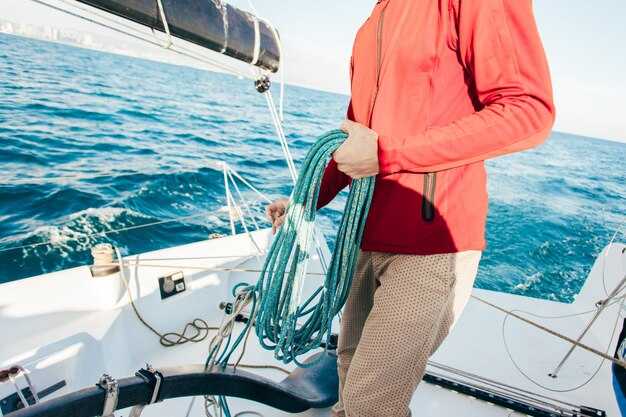
从一个60分钟的轮换计划开始,该计划以固定的时间段分配掌舵、装备职责和值班任务。在每个航段后或60分钟后轮换角色,以保持专注并防止疲劳;拥有多年实践经验的团队会获得速度。该计划将展示清晰的交接如何防止意外,并使船只在整个班次中保持响应,在一艘大型租赁船上的一天中皆是如此。滑雪节奏有助于保持清晰的节奏。这种轮换设置满足了多样性、安全性和技能成长的需求,帮助船员建立信心。.
-
舵手:保持航向,观察仪器,宣布机动,并按计划调整速度。以清晰的提示喊出变化。每60分钟轮换舵手,以建立导航信心并减轻疲劳。设置包括罗盘、海图仪或GPS、甚高频无线电话、哨子和航海日志。.
-
索具和帆操作:协调升帆、调帆、缩帆和降帆;检查升帆索、缭绳和后角索的磨损情况;根据风向变化调整帆的形状;与舵手沟通风速变化。设置包括一个紧凑的工具包、备用卸扣和一个安全口哨。流畅的操作顺序可以降低风险并保持稳定前进。.
-
瞭望:注意交通,监控天气更新,记录位置,检查VHF状态,并为紧急情况做好准备。记录操纵时间,记录故障,并告知船员即将到来的过渡。使用60分钟轮换计划,确保所有人员都获得了跨职责的经验。.
-
设计轮换区块:15–60 分钟,具体取决于条件和经验;与可见的计划板联系起来。这确保了节奏的可预测性。.
-
标记系统:用不同颜色的气球代表每个班次;在交接班时更新板面,以跟踪并排交接的情况。如果某个班次提前结束,第二天可以重复使用颜色。.
-
隐喻用法:使用接力赛的比喻来阐释交接;保持语言简洁;确保每个人都知道何时传递接力棒。.
-
汇报和反馈:每次轮换后进行2分钟的反馈;重点关注一个积极信号和一个改进点;鼓励讲述最佳实践。.
-
休息和活动:在水流平缓的区域可选择浮潜;安排适当的休息时间;确保浮潜遵守安全规则;务必穿着救生设备。.
-
公司及租赁计划:对于运营水上运动器材培训的公司,使用计分卡跟踪进度,包括成功交接次数、启动次数和问题解决结果;通过简短的总结发言分享结果,并在结束时加入歌曲或欢呼。.
甲板上的闭环通信演练
分配一名专门的领头呼叫员重复每个指令,直到确认,快速闭环并减少甲板上的沟通失误。这种做法将日常指令转化为可靠行动,为你船员建立信任和联系。.
涉及五个来自不同角色的玩家:领航员、舵手、水手、瞭望员、餐饮主管。每个步骤都遵循严格的模式:发送者、接收者、确认、执行、反馈。这一顺序确保清晰的交接,并适应变化而不会造成混乱。每个玩家轮流担任角色,以建立多功能的连接。.
每个周期包含五个步骤:发送者、接收者、确认、执行、反馈。 成员了解角色,指南提供帮助,灵活至关重要,照片记录里程碑时刻。 每次里程碑后拍照以记录进度。 通常,管理层在几轮后审查结果并调整角色。 如果您已准备好浮潜装备,请快速调整任务。.
| 发件人 | 命令 | 接收器 | 回应 | Impact |
|---|---|---|---|---|
| Captain | 航向120度 | 舵手 | 收到;已转向 | 航向已定 |
| 甲板 অফিসার | 绞车缆绳已固定 | Deckhand | 已保护 | 防滑风险降低 |
| 主厨领班 | 规划码头工作人员聚餐餐饮 | Support | 计划已确认 | 愉快的活动 |
| Lookout | 浮潜区域畅通 | All | 已确认。 | 安全浮潜 |
帆调整接力:团队抢滩登陆和升帆练习
从周密的计划开始,为每位参与者分配一项任务或一套角色,并每两分钟轮换一次,以保持势头。.
沿甲板分为四个站,每条航线跑 90 秒。组成均衡的四人小组,轮换角色,让每个人都能处理迎风和缭绳工作。可见的计时器和教练提示可保持节奏稳定,速度公平。.
A站 – 帆脚索和微调提示: 一支缭绳队在浮标处调整主帆和前帆缭绳,以达到干净的转向,并根据提示验证对齐、扭曲和后缘张力。 目标是获得舵手能够感觉到并快速叫出的流畅动作,从而增强信心和流畅度。.
B站 – 蒙眼接力: 一名玩家蒙上眼睛,依靠队友的语音提示,通过导轨定位控制线。两人合作保持张力均匀,并将角度控制在目标范围内。这可以建立信任、沟通以及从团队成员那里解读细微线索的能力。.
C站 – 寻宝式取物: 在甲板周围的线索会指向调整索具所需的正确工具或末端配件。 团队必须找到并归还物品,然后在时限内进行调整。 这增加了一种趣味元素,使玩家保持活跃,并测试快速决策能力。.
D站 – 快速简报和想法捕捉: after each leg, teams note what felt right, what cant be improved, and what they would change next time. Then a 3-minute brainstorming session to increase collaboration and align on best practices. This step helps them translate practice into real-world speed and consistency.
Scoring favors precision, teamwork, and pace: 3 points for flawless trim, 2 for near-target, 0 for off-target. Safety officer monitors blindfolded work, ensuring proper wind limits and life-jacket use. The setup accommodates mixed experience levels, letting each player contribute meaningfully and enjoy the challenge. The practice right away tells them they can move fast while staying in control, and it yields concrete ideas for improving their method and coordination.
Scenic Pause and Debrief: Reflect on Team Wins
Allocate 5–8 minutes for a scenic pause and debrief after major maneuvers. Choose a calm, expansive backdrop to help wins feel memorable.
Organizers rely on a simple, ideal template with prompts: wins, learning opportunities, actions to carry forward. This plan keeps momentum and clarity.
During this time, thinking flows through conversations; every crew member shares one memorable example or two examples of exceptional teamwork that makes us stronger.
Document outcomes in a planned sheet that reduces confusion; this overall framework supports large steps. Use a simple plan to align next actions.
Promote healthy dialogue; ample space for all voices; include quieter participants by inviting brief contributions; enough room for honest critique, a thing to celebrate collaboration.
Skipper closes session with a concise summary; outline options for next leg and assign owners until execution when you need.
Hidden hunts reveal strengths that usually stay hidden; use these discoveries to fuel thinking through journey and planning throughout voyage.