


 简体中文
简体中文  English (UK)
  Русский
  العربية
  日本語
日本語  한국어
한국어  Magyar
  Türkçe
  Español
  Čeština
  Svenska
  Português
  Ελληνικά
  Suomi
Suomi  Nederlands
  Română
  Italiano
  Français
  Polski
  Українська
  Deutsch
  Slovenčina
 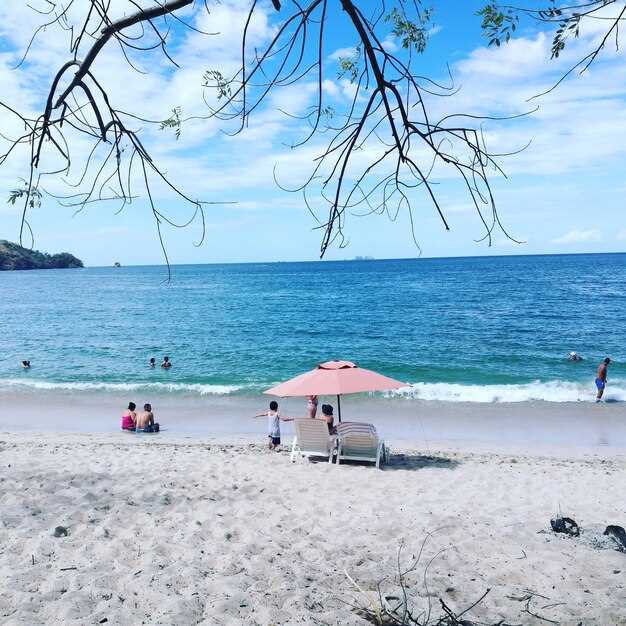 Shell Island – Best Beaches in Panama City Beach">

To start your plan, rent a sturdy marine vehicle and hire a local guide for first-light access to the islet off the gulf coast. Each leg of the route reveals different vantage points for reels and memories; the ultimate itinerary centers on a 6-8 hour window with a midday break on shore. Think through wind forecasts and tide cycles–the captain said dawn sessions with light offshore breeze typically run from 6:00 to 9:00, when calmer conditions improve visibility and safety.
What makes the shoreline here memorable is the blend of marine life, calm lagoons, and wind-sculpted dunes. A carillon on a distant pier marks the time, while a short hike reveals shells and footprints that turn into long memories; you can google tide charts and plan a window with low wave action for easier entry to the sands. Rent a snorkel set and a shallow-water mask to explore the reef flats without exhausting yourself, keeping your break frequent enough to monitor weather shifts. Each moment offers something worth capturing with a compact reel and a waterproof case.
Seasonal windows show several opportunities: late spring and early fall often bring smoother seas and daylight extending up to 12 hours, allowing you to pace the day and still cover the whole route. Marine guides emphasize safety and environmental care, so avoid trampling seagrass beds and keep engines quiet to minimize disturbance to wildlife. The grouper populations populate the reef edges, with water clarity often 6-12 meters on sunny days; you might spot dolphins and pelicans, and even sea turtles during migration seasons. Memories from those moments linger long after the trip.
What to pack for a day on the water: lightweight reef-safe sunscreen, plenty of water, a compact camera, a headlamp for return after twilight, and a sturdy belt bag. Pre-load maps on your smartphone with a 向导‘s notes on anchor points and the most accessible entry points. If you plan to fish legally, bring light tackle and a spare line reel. Always respect local regulations and monitor the weather: a sudden shift can turn an ordinary session into a short break. This being one of the most rewarding experiences you can have, you’ll return with a pocket full of memories and renewed appreciation for the coast.
Practical Planner for a Seaside Day Trip

Book a pre-arranged shuttle and arrive by 8:30 to secure your parking address and join a crystal-clear ride to the offshore shoal.
Departure windows vary by year; that plan relies on schooners leaving the marina roughly every 50 minutes; plan to be back before noon to maximize return options.
What to bring: dry bag, water, snacks, sun protection, hat; the gear you purchased at the dock can be picked up for a small fee.
Equipment notes: bring a reel if fishing is part of the plan; for diving or snorkeling, pack a well-fitting mask, fins, and snorkel.
Walk the surrounding shoreline every foot, scan for shells, and keep a slow pace to savor every view.
Dining and drinks: after your return, showcase local seafood choices at nearby restaurants; mexico-inspired tacos appear on many menus; you can order a dinner with fresh catches.
Tickets and timing: purchased online saves dock time; note the pickup address and confirm the voyage window the day prior; overcast mornings can shift times, so check the marina notices.
Leave-no-trace rule: leave no waste on shore, pack out everything you brought, and rinse gear at the dock before returning.
Tip: beachcamp setups can extend your stay; bring shade and a small chair to enjoy the calm water.
Memory plan: capture a reel of calm waters, and tally every foot of shoreline explored; after the day, dine on seafood and remember the surrounding scenes.
Getting There: Boat, Shuttle, and Charter Options
Recommendation: Book a half-day private charter to maximize time on the offshore sandbar and minimize transfers. Typical duration is 4 hours, with capacity for 6–12 passengers; rates generally range from $550 to $900 depending on season and vessel type. This approach keeps contents together and offers a smooth start to an unforgettable day.
Boat options include public tours, fishing charters, and fully private excursions. Shared trips run 2–3 hours and cost about $40–$85 per person. Anglers can add saltwater gear and a licensed captain; non-fishing groups still enjoy sightings of dolphins and shorebird flocks, and the light of dawn or dusk can elevate photos. Captains use navigational maps to locate shallow channels and safe anchorage. An angel of calm seas tends to greet early departures, making morning trips smoother for first-timers.
Shuttle services operate daily from major lodging clusters to the shore access points. Group sizes commonly range 4–15 passengers; round-trip fares often fall between $25 and $60 per person. For big parties, a private shuttle keeps the group together and avoids extra stops aside from the main route. Size configurations start at compact 4-passenger vehicles and scale up to 18 to fit your crew.
Charter types and sizes: speedboats, catamarans, and pontoon rigs. Small boats suit intimate groups; larger ones can handle 12–18 passengers. A complete half-day charter includes snorkel gear, cooler contents, and a stop for shelling along low-tide dune zones. For night departures, some operators extend to 6–8 hours so you soak in twilight light and a saltwater breeze; this is the ultimate option for a group seeking a calm, uninterrupted session led by an expert. Every option relies on skilled crews and well-maintained vehicles, ensuring a back-to-back, smooth experience for any itinerary.
Extras and tips: arrive early, check a tide map and marine forecast; low-tide windows improve shelling and snorkeling, especially near dune fields. Pack light but bring a change of clothes for soaking and sun protection; a small dry bag keeps contents safe. Some mornings, a carillon from a nearby coastal camp rings at night, offering a memorable soundscape. Being mindful of tides helps you target shelling windows and plan the day around maps and wind conditions, ensuring a wonderful, worry-free outing.
Best Beach Areas on Shell Island for Families
Recommendation: Head to the western dune belt at first light for a safe, kid-friendly escape that stays calm without crowds. Located a short 8–12 minute boat ride from the public launch, this zone offers knee-high water, white sand, and clear pockets ideal for beginners. An angel-colored dawn paints the scene, and helen, a longtime local, confirms it absolutely remains the best option for years. Take a compact shade canopy and a light snack to stay comfortable. While they splash, you can relax in the shade.
In the middle area behind a moving dune lies a hidden, knee-deep pool with great visibility. The water stays clear for most of the day, and at low tide the walk extends far. Here youll see crabs along the edge and tiny fish flashing in a shallow image; a google image search shows a similar view if you want a quick preview. Welsh families and helen, a longtime local, also confirm this as a safe spot. Being near the shore helps keep younger visitors engaged and curious. Bring shade, towels, and a small net; keep the trip light, especially with younger kids. For them, this spot does offer full immersion with minimal risk.
On the eastern flank near a pier, the shelf stays shallow even at high tide, keeping kids within arm’s reach. This zone is full of small shells and offers chances to catch what youll catch–tiny crabs, minnows, and occasional shrimp–without rough surf. Being near the shore helps keep younger visitors engaged and curious. Bring a small shovel to uncover hidden structures in the sand, and take care not to disturb wildlife. What youll need for the day is sunscreen, water, and a light snack.
Practical tips: Year after year, plan for low-tide windows, bring water, snacks, and a sun shelter; avoid peak party hours to keep the mood calm; pack out all trash and keep an eye on younger visitors so they can safely explore the white dunes and clear shallows. This strategy does work, and visited families often return with great memories; being mindful of currents helps you catch more moments with them.
Packing List: What to Bring for a Day on Shell Island
Kick off with hydration: pack two liters of water per adult and one liter per child, plus a compact cooler with ice packs for perishables and a waterproof dry bag for phones and wallets. A light shade canopy or compact umbrella keeps you comfortable during the morning heat and helps protect toes from hot sand.
Protect skin and comfort: reef-safe sunscreen SPF 30+, lip balm with SPF, sunglasses, and a wide-brim hat. Include wet wipes, hand sanitizer, and a small first-aid kit. Bring a towel or microfiber cloth for quick drying after a dip, and a light jacket for breezy early hours as the temperature shifts.
Mobility and accessibility: several day-trippers rely on wheelchairs or other aids; plan dock transfers with your captain or charter team. If you’ll be bicycling, choose a compact, sand-friendly bike and carry a portable pump. Pack a few spare tires or patches for quick fixes on the go.
Wildlife and terrain: prepare for sandpipers along the shore and possible dolphin sightings during the morning sail. Explore the dune near Andersons Dune to see their different habitats; bring a map to avoid getting lost in the dunes and keep to marked trails. Such exploration reveals a complex coastal tapestry without disturbing their delicate balance.
Food, adventures, and timing: energy-dense snacks and a light lunch keep you going through the great outdoors. If you plan dinner after exploring, pack compact, non‑messy options and a reusable cutlery set. For anglers, amberjack is a common catch in these waters–check local rules and bring any required licenses if you decide to cast a line.
Communication and gear: a waterproof phone case, camera or binoculars for wildlife, and a small dry bag for valuables ensure you can capture memories without worry. Remember to collect memories, not souvenirs that harm wildlife, and leave the shore as pristine as you found it.
| Item | Qty / Per Person | Why | 说明 |
|---|---|---|---|
| Water | 2 L per adult; 1 L per child | Hydration; heat management | Keep in a cooler; refill as needed |
| Sunscreen SPF 30+ (reef-safe) | 1 tube per group | Protect skin; prevent sunburn | Reapply every 2 hours |
| Lip balm with SPF | 1 | Prevent chapping | Keep in easy reach |
| Wide-brim hat & sunglasses | 1 each | Shade and eye protection | Opt for UV 400 |
| Towel / microfiber cloth | 1–2 | Drying off; quick cleanup | Light and quick-drying |
| Water shoes or sandals | 1 pair | Protect feet on wet/rugged patches | Non-slip sole |
| Dry bag / waterproof case | 1 | Valuables protection | Phone, keys, wallet |
| Snacks & lunch | 1 small bag | Energy on the go | Non-messy options |
| Cooler with ice packs | 1 | Keep perishables cold | Compact to carry |
| First aid kit | 1 | Minor injuries | Bandages, antiseptic, wipes |
| Wet wipes & hand sanitizer | 1 pack each | Cleanups; hygiene | Biodegradable where possible |
| Change of clothes | 1 set | Comfort after water exposure | Light layer |
| Shade canopy or umbrella | 1 | Extra protection from sun | Compact when folded |
| Binoculars or camera | 1 set | Wildlife viewing | Waterproof if possible |
| Phone waterproof case | 1 | Protection for devices | Keep within reach |
| Fishing gear (optional) | 1 kit | Amberjack opportunities; check rules | License if required |
| Wheelchairs / mobility aids (if needed) | As required | Accessibility for some guests | Coordinate with captain or dock staff |
| Trash bag | 1 | Pack out everything; keep area clean | Leave nothing behind |
Timing Your Visit: Tides, Weather, and Crowds
Plan weekday visits at low tide to access exposed sandbars with fewer spectators and a fantastic chance to observe dolphin encounter from shore.
- Tides and access: There are two daily cycles; the window of maximum exposure spans roughly 2–3 hours around low tide. The tidal range is typically 2–4 ft, varying with the moon. To maximize soak time, depart 60–90 minutes before predicted low tide and return 60–90 minutes after. For orientation, locate islands and channels on maps and wikimedia, and study the carillon-area shoreline; as the water goes down, the exposed sandbars grow.
- Weather and ocean conditions: Summer heat pushes readings upward; ocean temps range from the mid-70s to mid-80s Fahrenheit (24–29 C). Thunderstorms are common May–October; plan for calm mornings and monitor radar. Pack lightweight clothing, reef-safe sunscreen, a hat, and a compact rain shell for sudden showers.
- Crowds and access: Weekends and holidays draw more spectators; midweek trips stay calmer. Operators offer scheduled trips to the islands; aside from public ferries, a private charter can tailor times and routes. There are must-visit coves located near Carillon and along adjacent shores.
- What to bring and wear: Bring water, snacks, and a dry bag for valuables. Wear water shoes; soak in sun on safe sand while toes stay protected from sharp debris. Pack a towel, a lightweight shade item, and a camera with zoom for distant wildlife.
- Observing wildlife and etiquette: Observe at a respectful distance; do not chase any dolphin encounter or other wildlife. Observing such creatures from the shore or boat is fantastic for memory-keeping. Keep noise low and avoid restricted zones, especially near private property.
- Planning resources: Before trips, check tide charts and the latest weather. There are numerous things to know, including private access and public routes. For layout and route planning, consult maps and wikimedia pages; such resources reflect years of field observations. If unsure, start with a guided option and expand to multi-stop trips as you gain experience; operators located along the Carillon corridor can help refine plans. If you’re there, you’ll discover more over the years.
Safety, Wildlife, and Leave-No-Trace Guidelines
Sure, arrive before first light to catch the widest stretch at low tide; after several trips, visitors have seen how water moves and how the shore tightens as the day warms. Check local tide charts for a 3–4 hour window and plan a circuit that minimizes crowding on popular spots. Pack a small bag with water, sun protection, and a light snack to stay alert while you head along the coast.
Foot protection matters: wear sturdy sandals or shoes to guard against barnacles and sharp shells; watch for slick algal patches near the edge; avoid wading in large troughs and keep children within arm’s reach. One wrong step can injure a foot.
Wildlife guidelines: maintain at least 50–75 meters from any nesting birds or sandpipers; observe quietly from a designated viewing point; never feed wildlife; if an encounter occurs, back away slowly and calmly. Respect the rhythm of feeding times and avoid sudden movements that can startle birds along the shore.
Leave-No-Trace practices: pack out all trash; use facilities at access points; avoid leaving leftovers or fishing lines; take any seltzer cans or bottles with you; carry a spare bag to collect litter without leaving a trace. Stick to marked paths to minimize impact on vegetation and animal routes; these are practical ways to keep impact low.
Pets and people: keep pets on leash at all times and bring waste bags; never allow animals into nesting zones or close to resting birds; plan a long, separate route for furry companions away from wildlife viewing corridors; ensure each family member respects space for wild residents.
Wildlife history and behavior: annual counts by volunteers help track shorebird numbers; the same area may show seasonal shifts in sizes and timing of arrivals. If you notice unusual activity or distressed birds, retreat to a wider gap and report the sighting to a guide or ranger. Your early observations can support ongoing protections for fragile spots along the coast.
Guided options: a captain or experienced guide can head safe routes and share tips for responsible viewing. They explain where to stand, how to maintain distance, and which zones are best for observing ocean life and sandpipers without causing disruption. Joining a small group makes play inviting while keeping disturbance low.
Practical playbook: head to established access points and stay on marked trails; keep an eye on your footing and avoid stepping on dune vegetation; hydrate with water or seltzer; plan short stops for viewing and a quick dinner break in designated areas; after your visit, wash up and bag any trash so others can enjoy the same experience.